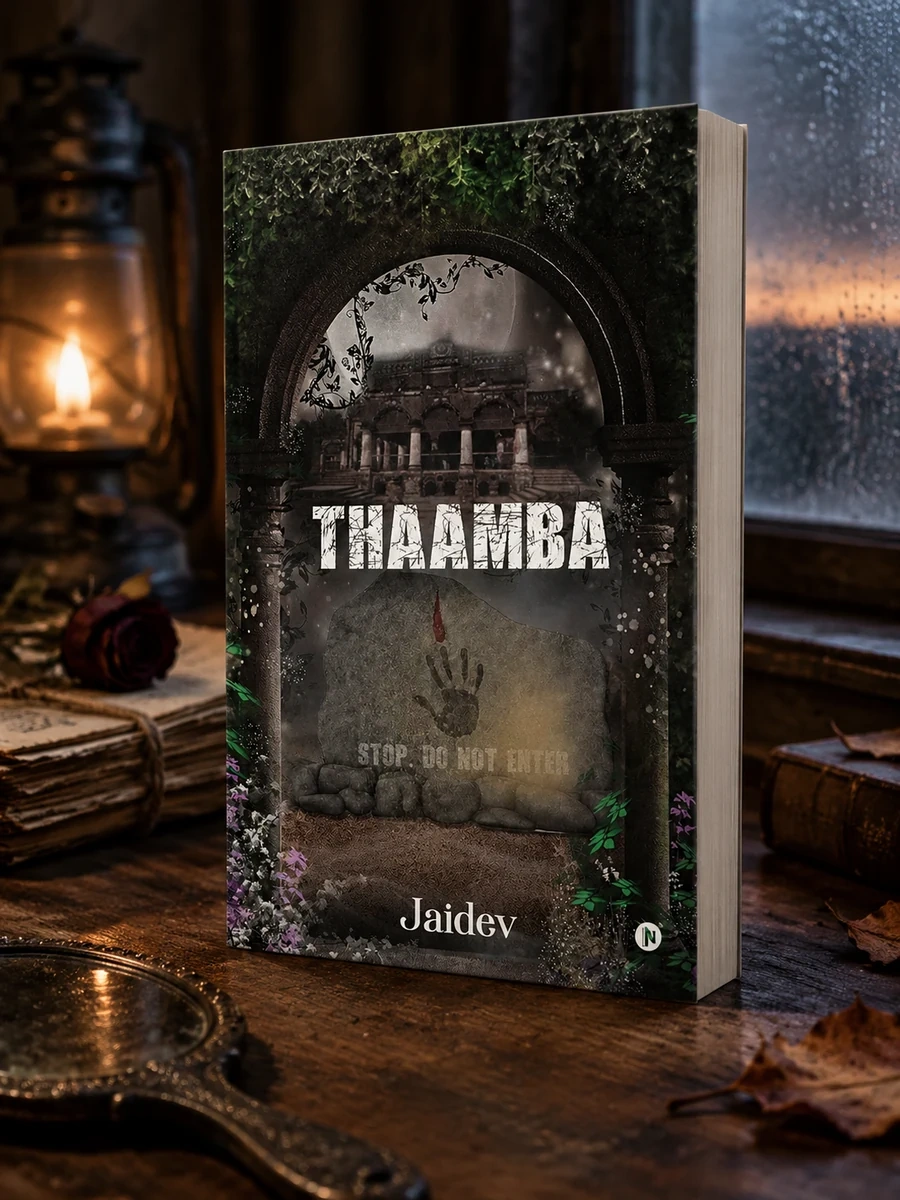
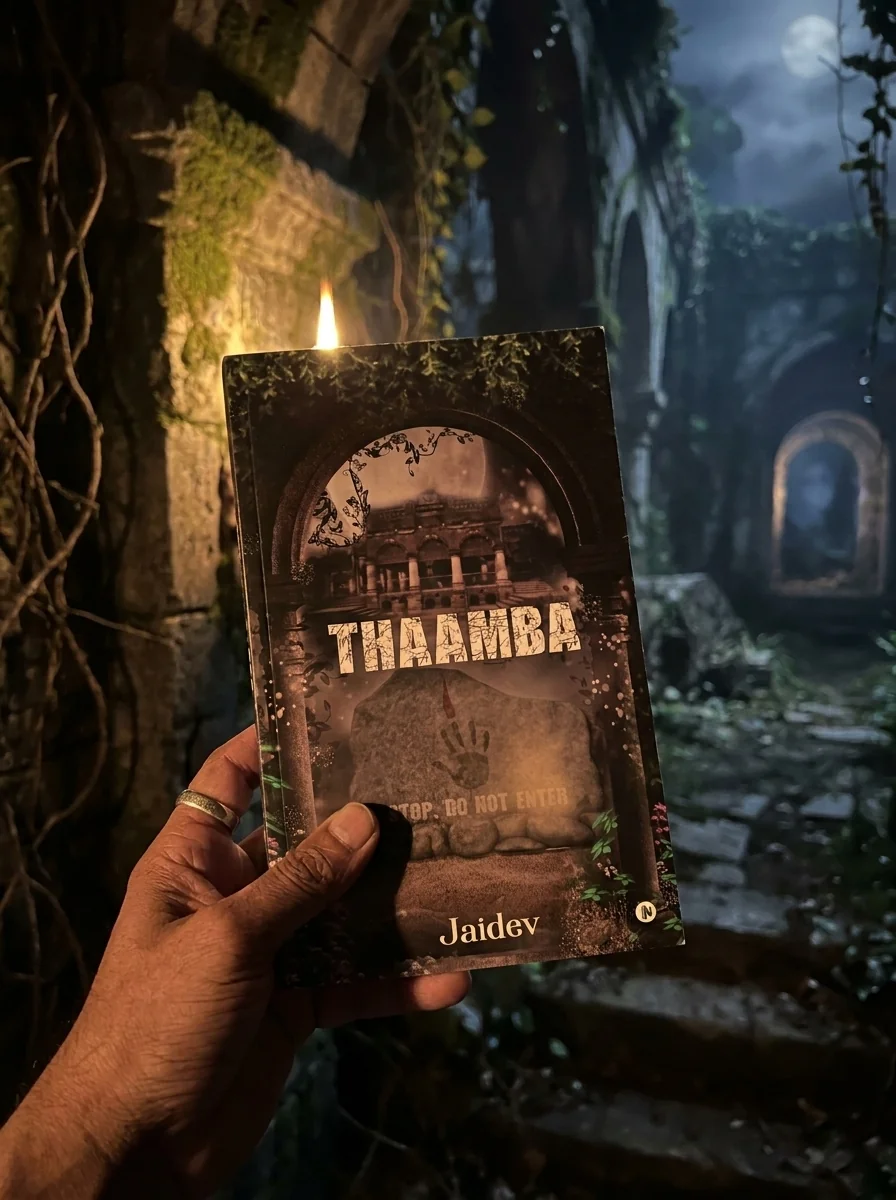
Thaamba: Stop. Do Not Enter
A philosophical examination of horror as a growing internal shadow rather than an external monster.
This book challenges conventional definitions of fear by framing it as a personal, accumulating burden. Jaidev illustrates how moral failings act as fuel for a dark companion that eventually consumes the host. The work focuses on the psychological mechanism of self-destruction through vice. It does not offer jump scares or haunted house tropes. Instead, it dissects the way evil roots itself in the mind. The author suggests that the most terrifying aspect of horror is its ability to change one's fundamental nature. This transformation renders the individual unrecognizable to themselves. The text serves as a warning about the cumulative power of daily choices and their long-term spiritual consequences.
Published in 2022 by Notion Press, this work sits within contemporary American horror literature. It draws on gothic traditions of internal dread rather than external monsters. The book addresses modern readers seeking psychological depth over physical scares.


📝 Description: Thaamba: Stop. Do Not Enter
💎 Our verdict on Thaamba: Stop. Do Not Enter
📖 Why choose it
Why this book is worth reading
Readers seeking a cerebral exploration of terror will find this book compelling, as it dissects the psychological roots of horror rather than relying on visceral gore or jump scares. It is ideal for those interested in the slow erosion of identity and the moral implications of daily choices. The text offers a unique perspective on how evil roots itself in the mind, making it suitable for audiences who appreciate abstract, meditative narratives over traditional ghost stories. Those fascinated by the concept of an internal shadow that feeds on vice will gain insight into the spiritual consequences of personal debauchery.
⭐ Reader reviews
Reader rating
Jaidev delivers a potent philosophical meditation on fear, arguing that true horror lies in the subtle, insidious growth of an internal shadow rather than external monsters. The narrative effectively illustrates how small vices evolve into masters that alter the subconscious, rendering the individual unrecognizable to themselves. While readers expecting traditional haunted house tropes may find this approach too abstract, those drawn to cosmic and psychological horror will appreciate the dissection of self-destruction through vice. The tone is ominous and reflective, focusing on the long-term spiritual consequences of moral failings. This work stands out for its intellectual rigor and its warning about the cumulative power of daily choices in shaping one’s fundamental nature.
📖 Read on the blog
🏛 Books from this publisher Notion Press
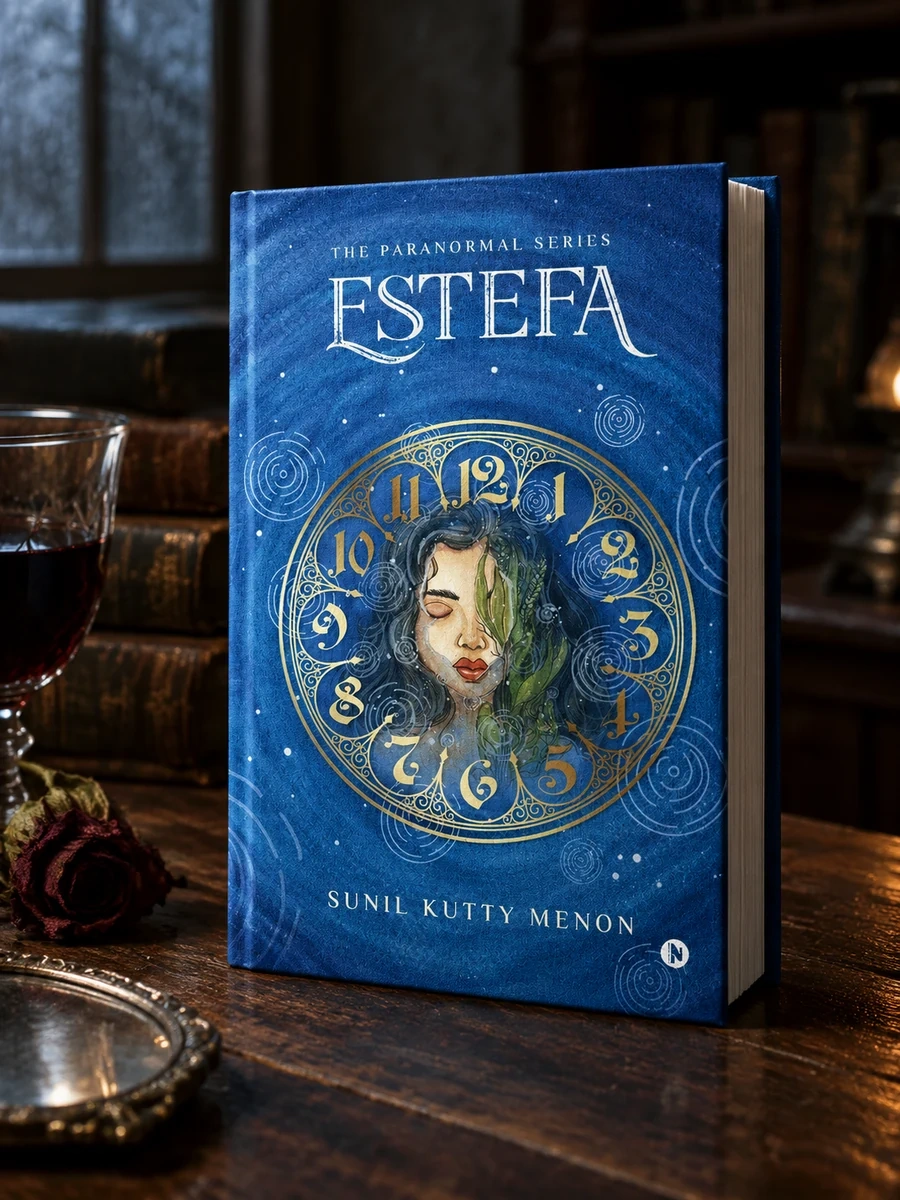



You might also like
See more →
Have a question about this item?
Ask about the edition, condition, delivery or anything else — we reply by email or phone, usually within a day.
