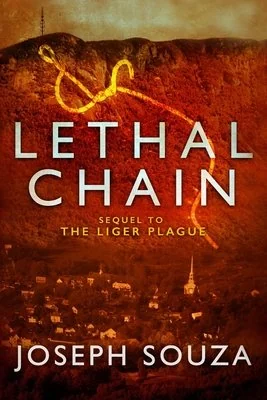
Lethal Chain: The Liger Series, Book 2
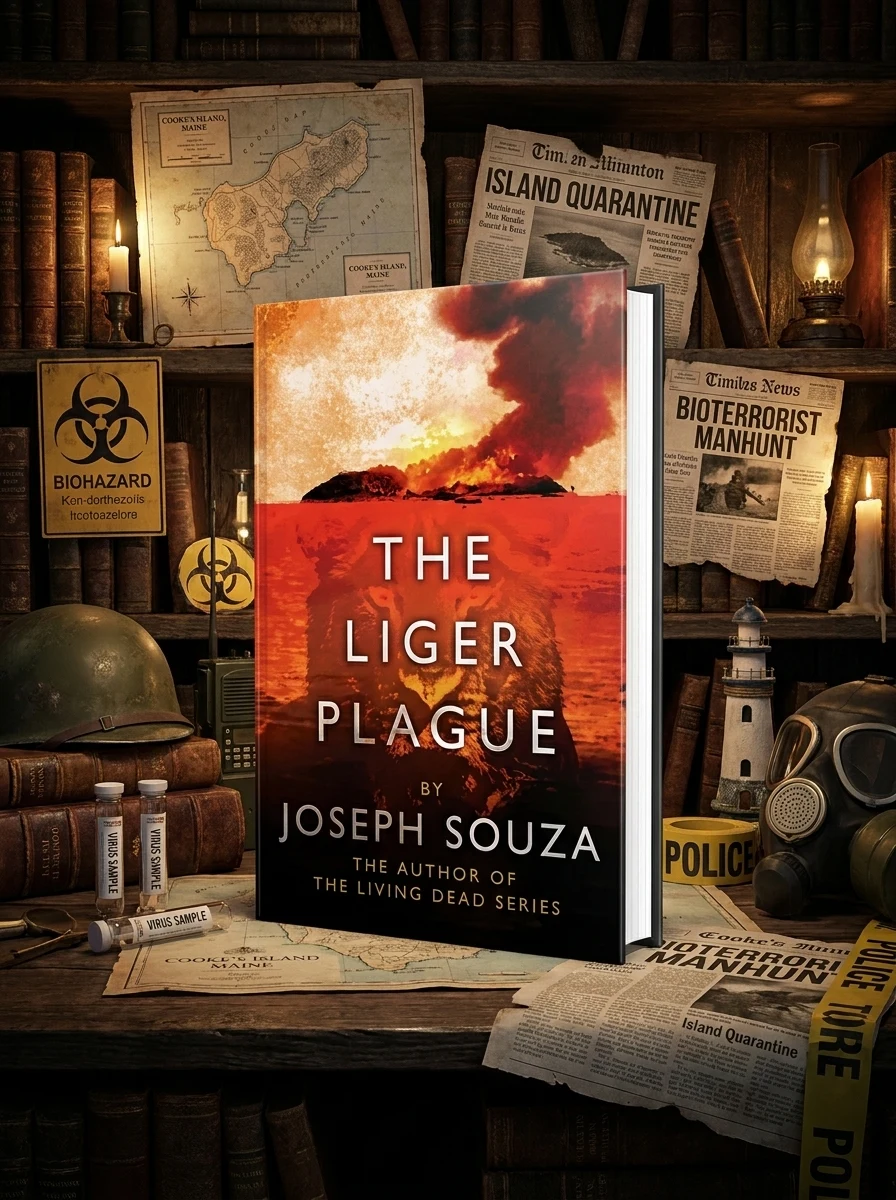
Colonel Winters fights a weaponized Ebola virus in New England.
The plot shifts from Cooke's Island to the mainland after Winters escapes. He confronts a hybrid virus derived from Ebola that threatens national stability. His young companion assists him in reaching Ground Zero in New England. The story examines the burden of command when facing an invisible enemy. Souza presents a scenario where ordinary society crumbles under biological pressure. The narrative emphasizes the physical and moral toll on the protagonist.
This novel fits within the American thriller tradition of biological terrorism narratives. It draws on fears regarding pandemic outbreaks and national security vulnerabilities. The setting in New England grounds the supernatural horror in a recognizable domestic landscape.


📝 Description: Lethal Chain: The Liger Series, Book 2
💎 Our verdict on Lethal Chain: The Liger Series, Book 2
📖 Why choose it
Why this book is worth reading
Readers seeking immediate, high-stakes tension will find this title compelling. It appeals to those who enjoy military fiction where duty clashes with survival instincts. The narrative offers a focused look at the physical and moral toll of command during a crisis. Fans of post-apocalyptic scenarios appreciate the examination of societal collapse under biological pressure. It is ideal for audiences interested in the mechanics of containment and the burden of leadership. Those who prefer action-driven plots over political theory will find the pace engaging. The story provides a visceral experience of danger without unnecessary complexity. It suits readers who want to see ordinary structures crumble under specific, tangible threats.
⭐ Reader reviews
Reader rating
Souza delivers a tight narrative focused on survival and duty rather than expansive world-building. The pacing emphasizes immediate danger, keeping the reader engaged through physical and moral challenges. The depiction of societal collapse is handled with a focus on individual burden rather than broad political commentary. This approach makes the threat feel personal and urgent. The book excels in maintaining high stakes without lingering on theoretical implications. It is best suited for fans of military thrillers and biological horror who prefer straightforward action. Readers looking for gentle romance or historical depth should look elsewhere. The tone remains serious and focused on the collapse of order.