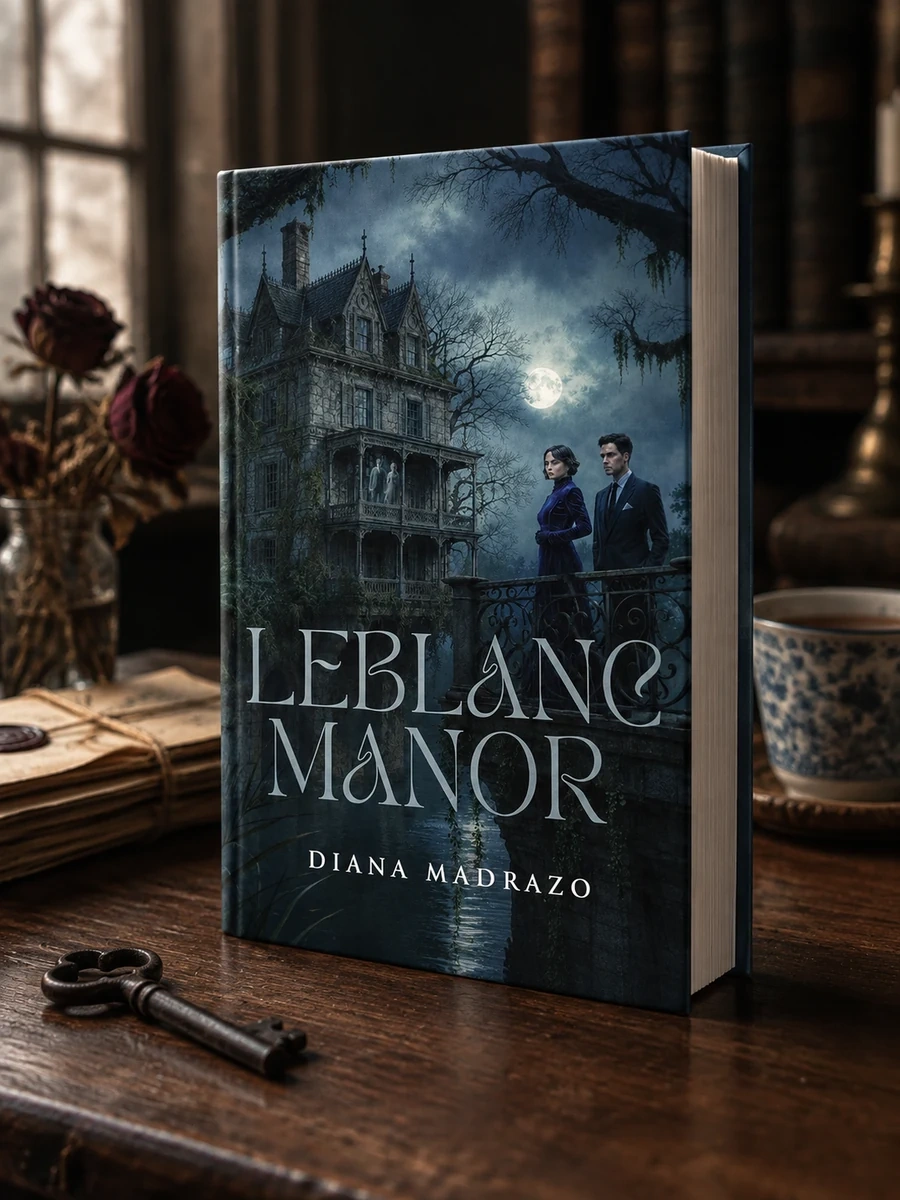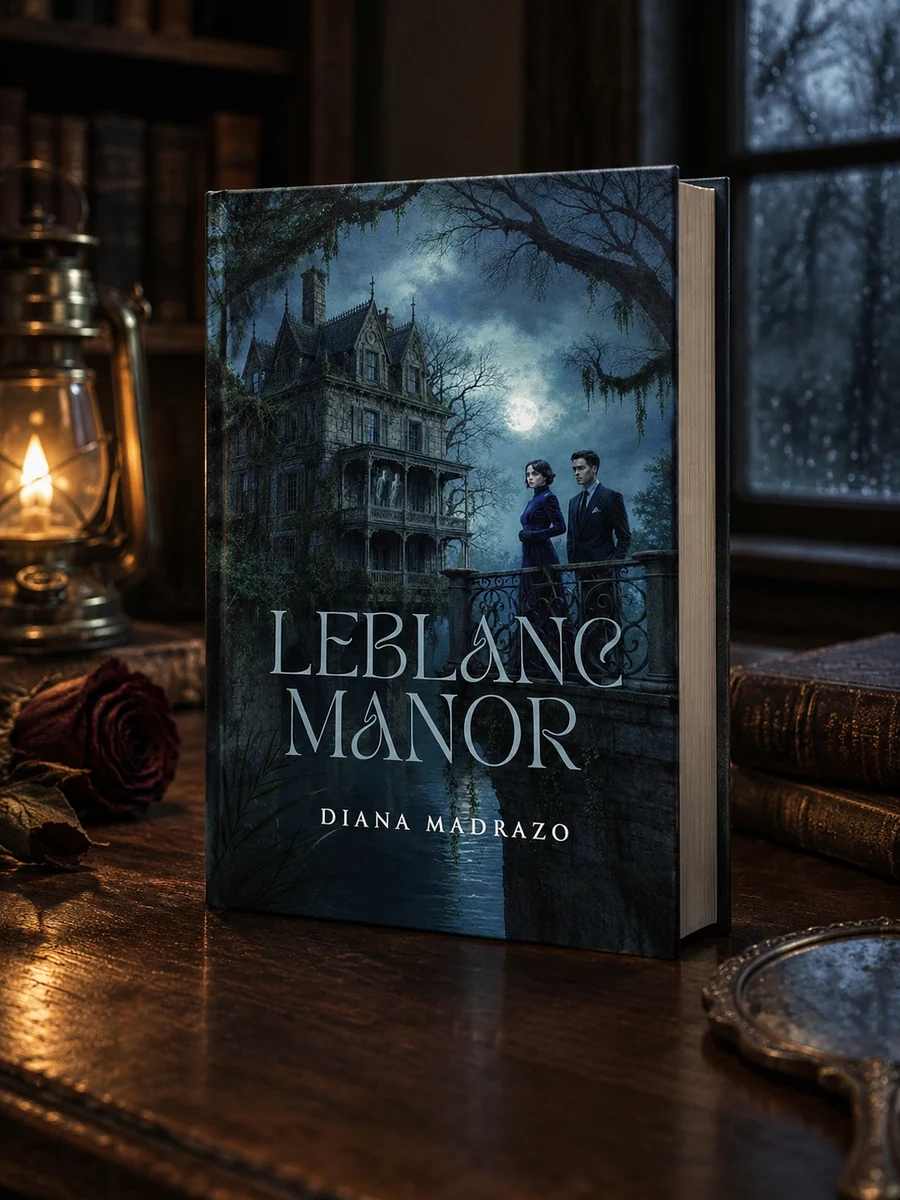
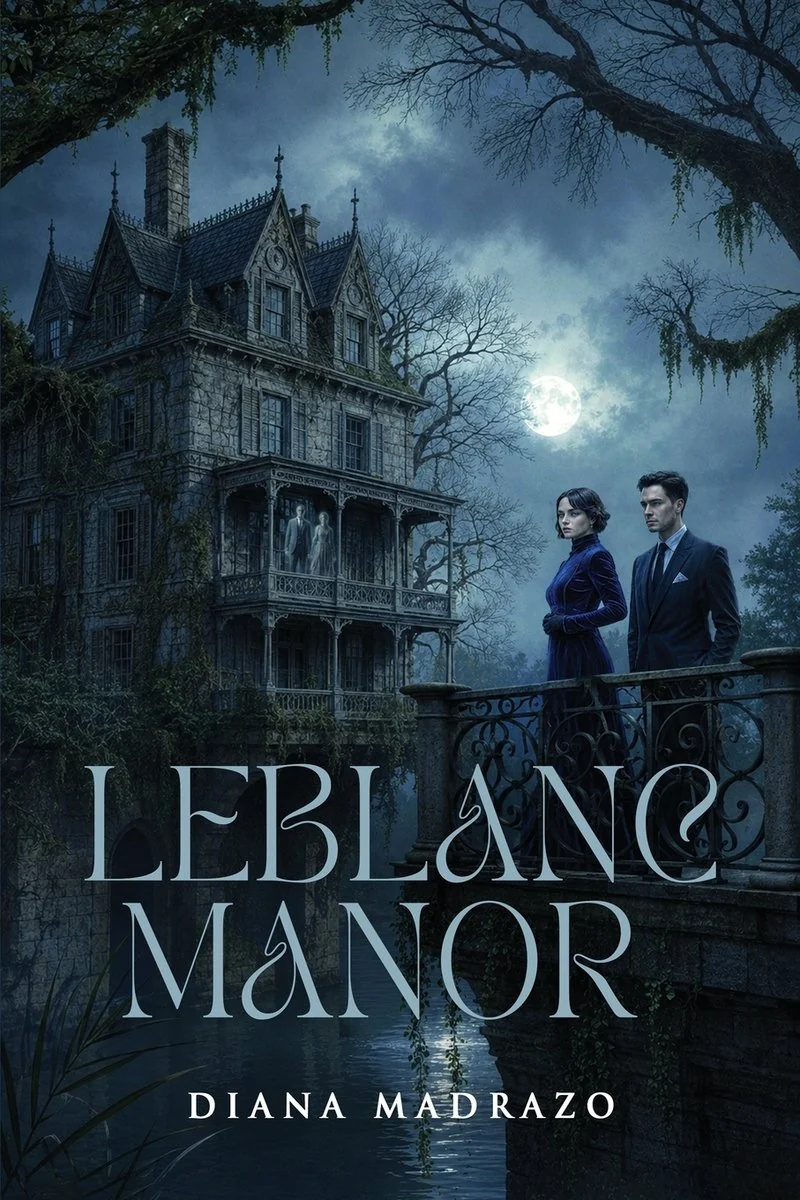
LeBlanc Manor
A gothic tale of family secrets and supernatural curses in Louisiana.
This work examines the intersection of familial duty and supernatural horror through the lens of a decaying Southern estate. Madrazo uses the setting of LeBlanc Manor to explore themes of inheritance, both material and spiritual. The narrative does not rely on jump scares but rather on the creeping dread of discovered history. It appeals to those who enjoy slow-burn atmospheric horror where the house itself feels like a character. The story is grounded in the specific cultural context of Louisiana, using its gothic traditions to frame the supernatural elements.
The story is set in Louisiana, drawing on the region's rich history of Gothic fiction and supernatural folklore. It sits within the tradition of Southern Gothic literature, using the decaying estate as a symbol of historical burden and inherited trauma. The narrative reflects the cultural weight of lineage and the lingering presence of the past in the American South.


📝 Description: LeBlanc Manor
💎 Our verdict on LeBlanc Manor
📖 Why choose it
Why this book is worth reading
Readers seeking slow-burn atmospheric horror will find this narrative deeply rewarding, particularly those who appreciate when the setting functions as a character itself. It appeals to fans of gothic fiction and family sagas intertwined with the paranormal, offering a tense exploration of inherited trauma rather than relying on jump scares. The book is ideal for those who enjoy discovering hidden truths through a methodical investigation of history and lineage. By grounding supernatural horror in the physical decay of a Southern estate, Madrazo provides a lingering sense of dread that resonates with readers interested in the psychological impact of dark familial legacies.
⭐ Reader reviews
Reader rating
Diana Madrazo crafts a compelling tale where the house itself embodies the weight of history and supernatural curse. The narrative excels in building creeping dread through the lens of Sloane LeBlanc’s return to her decaying Louisiana estate. Rather than offering fast-paced action or clear resolutions, the story focuses on the emotional burden of inherited secrets and the psychological toll of uncovering past sins. This approach suits readers who favor atmospheric tension and Southern Gothic traditions over conventional horror mechanics. The work effectively uses its specific cultural setting to amplify isolation, making it a strong choice for those who enjoy literary horror that lingers long after the final page.