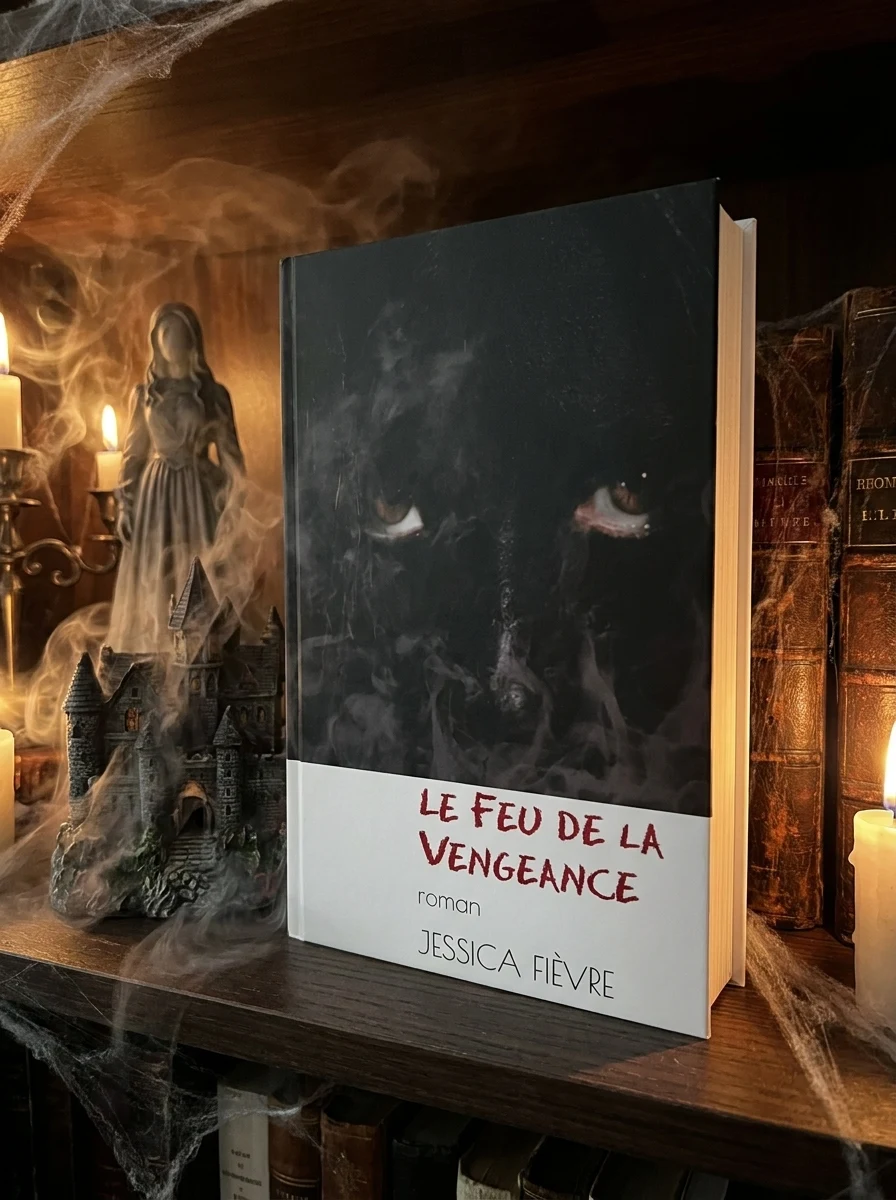
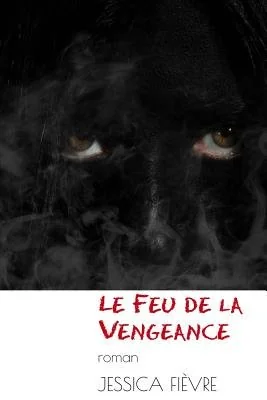
Le Feu de la Vengeance
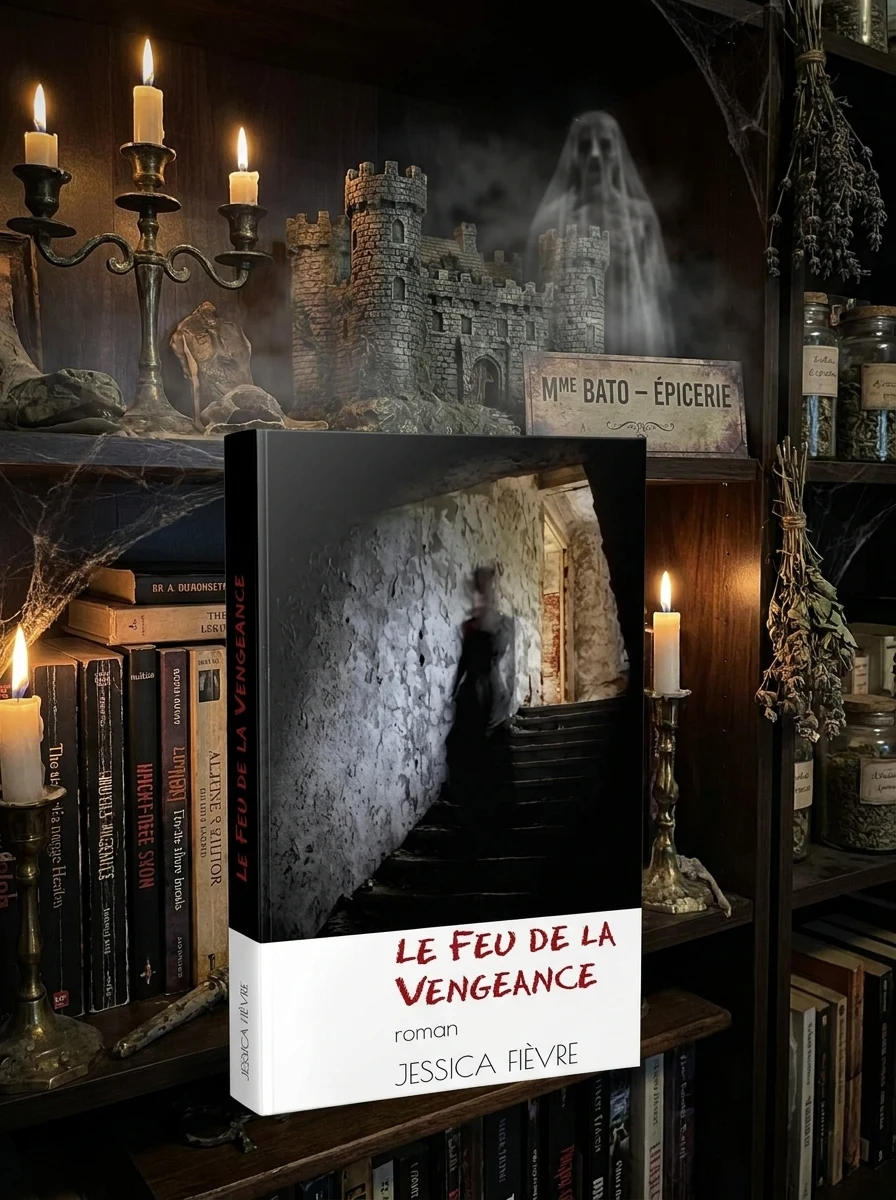
Stephanie arrives at Vallee Sauvage and faces a fantasmagoric world centered on a haunted Picourt chateau.
The narrative follows Stephanie’s first day in the Vallee Sauvage, where she encounters an unsettling atmosphere. The Picourt family home stands as the focal point of mystery. Madame Bato, the village grocer, insists the estate is haunted. This claim introduces doubt about the reality of the situation. The story does not provide immediate answers but instead builds a sense of unease through setting and character interaction. Fievre uses the grocer’s perspective to frame the supernatural elements. The text avoids explicit horror tropes in favor of psychological tension. Readers interested in gothic fiction will find the ambiguous nature of the haunting compelling. Those who prefer straightforward plots may find the lack of clarity frustrating. The book relies on the reader to interpret the signs of supernatural presence.
This 2014 publication by Lominy Books fits within the contemporary gothic fiction genre. It draws on French literary traditions of the haunted house trope. The setting in Vallee Sauvage suggests a rural, isolated environment common in supernatural tales.


📝 Description: Le Feu de la Vengeance
💎 Our verdict on Le Feu de la Vengeance
📖 Why choose it
Why this book is worth reading
Readers who appreciate atmospheric horror and mystery will find this narrative compelling due to its emphasis on psychological unease rather than physical threat. The book suits fans of classic haunted house tales who value subtle dread and ambiguous supernatural presence over straightforward plots. Those interested in how setting functions as a character will enjoy the detailed environmental descriptions that build tension. It is ideal for audiences willing to interpret signs of haunting through dialogue and atmosphere, offering a slow-burn experience rooted in gothic traditions rather than fast-paced action or non-fiction historical accounts.
⭐ Reader reviews
Reader rating
Fievre crafts a tense narrative centered on Stephanie’s arrival at Vallee Sauvage, where the Picourt chateau serves as the focal point of mystery. The grocer’s insistence on the estate being haunted introduces doubt about reality, framing supernatural elements through psychological tension rather than explicit gore. This approach appeals to those who enjoy gothic fiction with ambiguous haunting. However, readers preferring clear resolutions or scientific explanations may find the lack of clarity frustrating. The text relies heavily on dialogue and setting to maintain unease, making it a strong choice for lovers of subtle dread but less suitable for those seeking immediate answers or high-octane horror action.
📖 Read on the blog
📖 From the series “L'Oeuvre Integrale de Jessica Fievre”


✍️ More books by this author Jessica Fievre
🏛 Books from this publisher Lominy Books
You might also like
See more →



Have a question about this item?
Ask about the edition, condition, delivery or anything else — we reply by email or phone, usually within a day.
