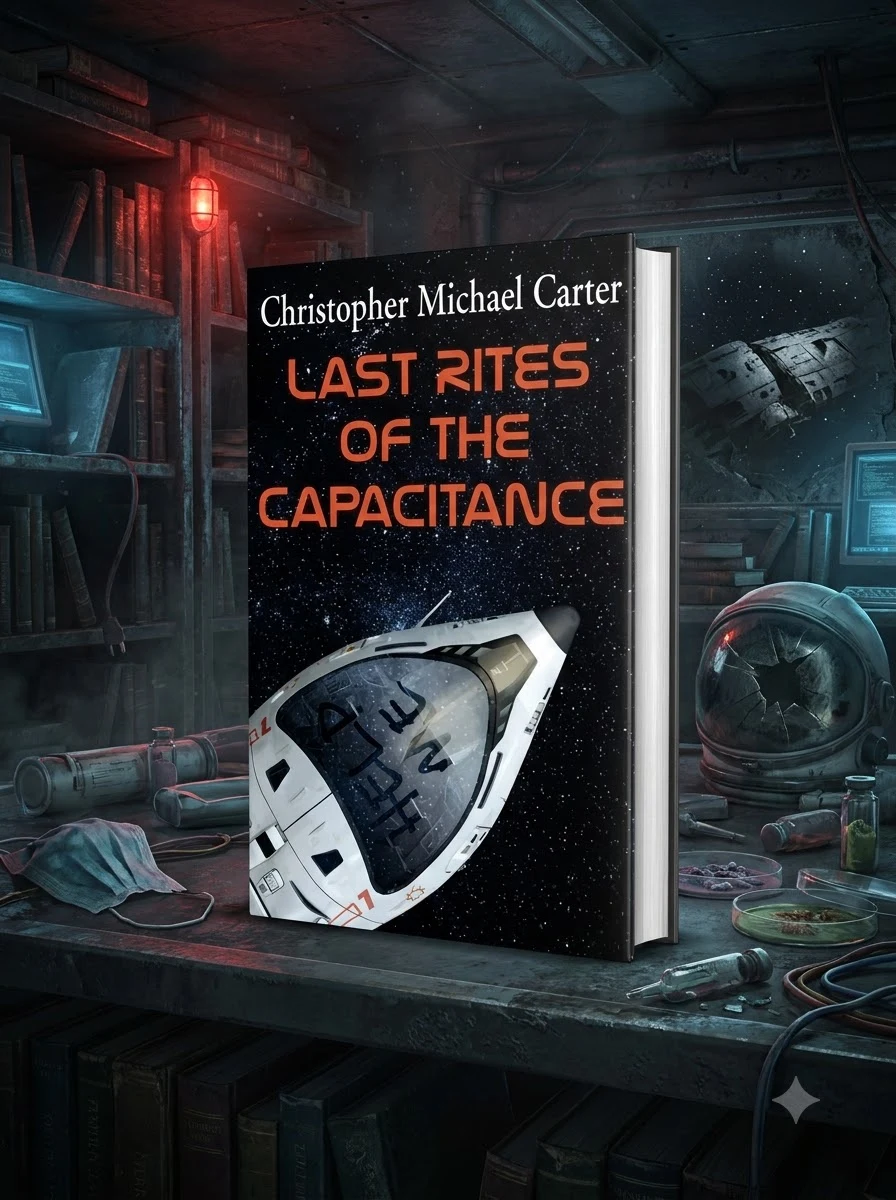
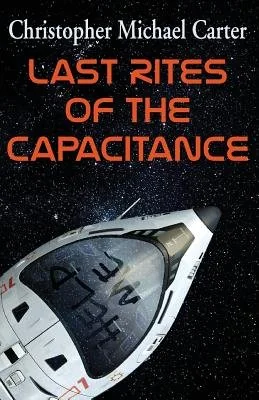
Last Rites of the Capacitance
A doctor survives a space horror by herself after Rabid Neural Stasis takes over.
Dr. Angelique Puck leaves Earth to treat Rabid Neural Stasis but becomes the only survivor on the Capacitance. Carter uses this premise to explore isolation and scientific failure. The story focuses on her internal struggle rather than external action. It highlights the horror of being alone in a hostile environment. The narrative does not offer easy solutions or rescue. Puck must confront the reality of her situation without support. This approach creates tension through psychological depth. The book examines how professional duty clashes with personal survival instincts. Carter avoids melodrama in favor of stark realism. The ending leaves the reader with questions about resilience.
Published by Supposed Crimes, LLC in 2017, this book sits within contemporary horror fiction. It blends medical drama with space thriller elements. The work reflects modern anxieties about pandemics and isolation. It appeals to readers interested in scientific ethics and survival narratives.


📝 Description: Last Rites of the Capacitance
💎 Our verdict on Last Rites of the Capacitance
📖 Why choose it
Why this book is worth reading
Readers seeking a deeply introspective horror experience will find value in this narrative's focus on psychological resilience rather than action. Those who appreciate character-driven stories set in confined, hostile environments will engage with Dr. Puck’s internal struggle against isolation and scientific failure. It appeals to fans of medical dramas blended with supernatural elements who enjoy stark realism over melodrama. The book offers a compelling examination of professional duty clashing with survival instincts, providing tension through psychological depth rather than plot twists. It is ideal for audiences comfortable with ambiguous endings and those who prefer narrow, intense scopes over broad world-building or ensemble casts.
⭐ Reader reviews
Reader rating
Christopher Michael Carter delivers a potent exploration of isolation and professional hubris within the confines of the Capacitance. The narrative excels in its stark realism, avoiding melodrama to focus on Dr. Puck’s psychological deterioration as Rabid Neural Stasis claims everyone else. By prioritizing internal struggle over external action, Carter creates a tense, claustrophobic atmosphere that lingers long after reading. This approach suits fans of gothic and cosmic horror who value atmospheric dread and character depth. While the narrow scope may alienate those seeking political intrigue or hopeful resolutions, the book stands as a compelling study of human fragility. It is best appreciated by readers who enjoy challenging, psychologically dense tales where survival is uncertain and support is nonexistent.
You might also like
See more →







Have a question about this item?
Ask about the edition, condition, delivery or anything else — we reply by email or phone, usually within a day.
