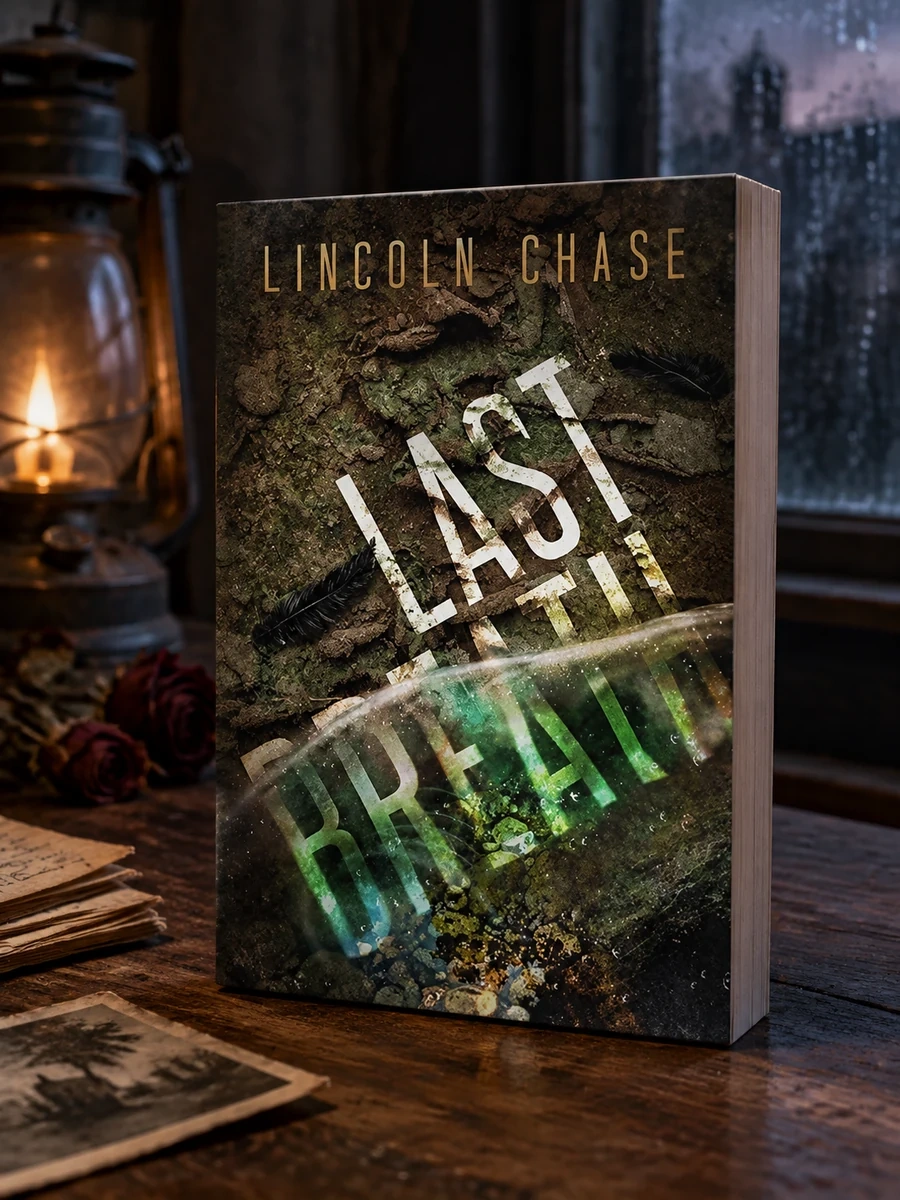

Last Breath
A survivor faces a supernatural threat in rural Oklahoma after a mass drowning event.
Lincoln Chase presents Last Breath as a study of guilt and supernatural retribution set in rural Oklahoma. The narrative follows Shane Gibson, who survived a lake incident twenty-five years ago that killed thirty-six children. Now, a dark force from Grand Lake threatens another tragedy. Shane must stop the entity while dealing with the town's hatred. The book appeals to fans of psychological horror and gothic fiction. It avoids clear resolutions, focusing instead on the protagonist's internal and external conflicts. Readers who prefer straightforward plots may find the ambiguity frustrating.
The story is set in rural Oklahoma, specifically around Grand Lake. It draws on local folklore regarding unexplained child deaths and the enduring trauma of small-town communities. The narrative reflects American gothic traditions where the landscape itself holds dark secrets.


📝 Description: Last Breath
💎 Our verdict on Last Breath
📖 Why choose it
Why this book is worth reading
Readers who appreciate atmospheric horror with deep psychological complexity will find Last Breath compelling. The book offers a gripping exploration of survivor’s guilt and supernatural retribution, set against the bleak backdrop of rural Oklahoma. It appeals to those who enjoy ambiguous narratives that prioritize internal conflict over straightforward plot resolution. Fans of cosmic and psychological horror will engage with the protagonist's relentless struggle against both a dark entity and societal hostility. However, it is not suitable for those seeking lighthearted fiction or clear scientific explanations for unexplained events.
⭐ Reader reviews
Reader rating
Lincoln Chase crafts a chilling narrative that effectively blends rural folklore with supernatural terror. The story centers on Shane Gibson’s confrontation with a deadly lake entity while navigating intense community hostility. Chase succeeds in creating an atmosphere of lingering dread, focusing on the protagonist's internal guilt rather than easy redemption. The ambiguity of the plot may frustrate readers preferring clear resolutions, but it enhances the psychological depth for others. This work is best suited for enthusiasts of gothic fiction and those who enjoy bleak, unresolved endings that emphasize the pressure of a past refusing to stay buried.
You might also like
See more →







Have a question about this item?
Ask about the edition, condition, delivery or anything else — we reply by email or phone, usually within a day.
