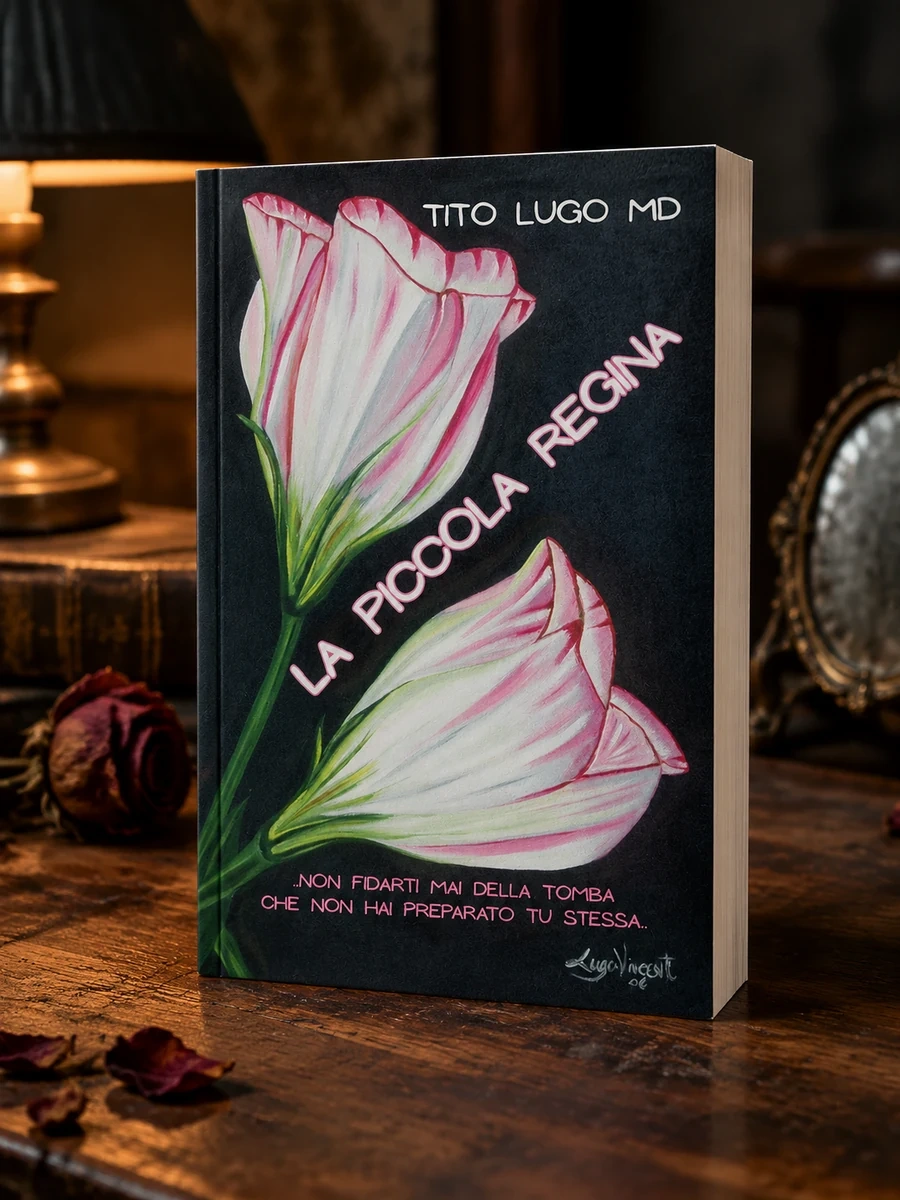
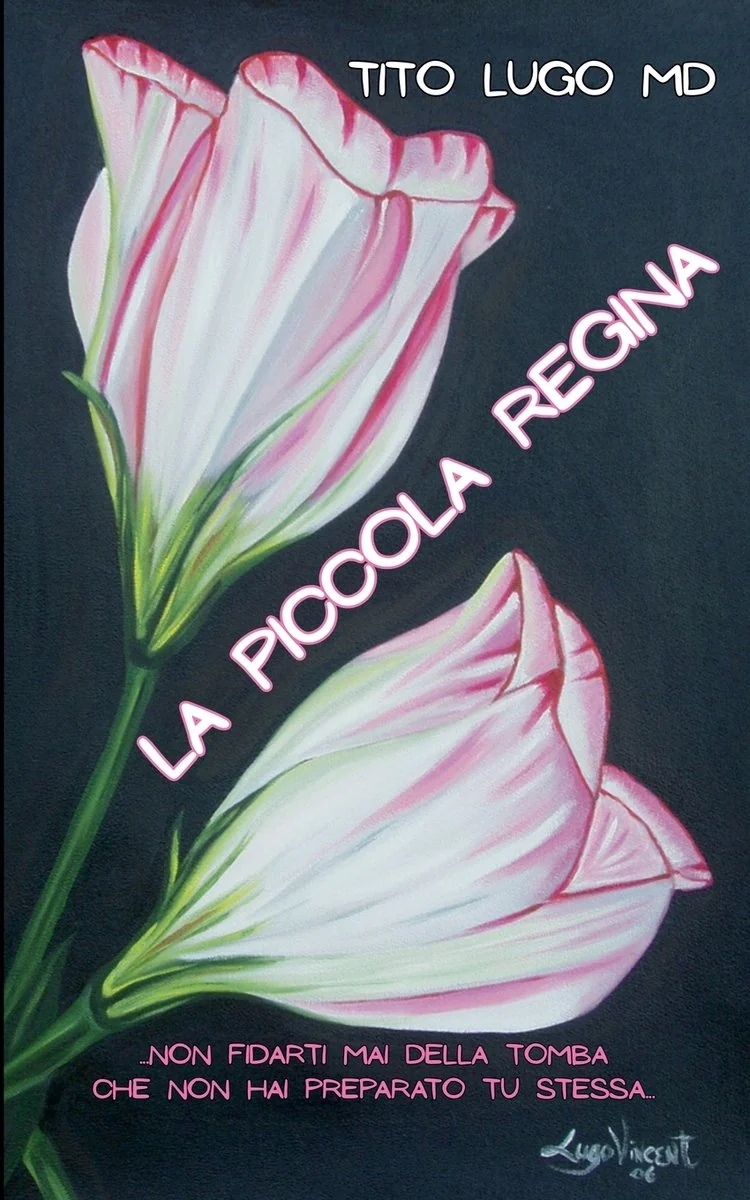
La Piccola Regina
A supernatural retelling of Caterina de' Medici's life and lingering presence.
This narrative reimagines Caterina de' Medici as a figure who transcends death through dark magic. Lugo focuses on her transformation from a neglected child to a powerful, feared entity. The plot hinges on the aftermath of her burial, where modern events trigger ancient horrors. The author uses the tradition of gothic horror to explore themes of power, memory, and the refusal of the past to stay buried. The work blends historical setting with supernatural dread, creating a story where the dead actively influence the living.
The book draws on French history and gothic traditions. It references specific locations like the Louvre and Saint-Denis. The narrative spans from Caterina's childhood across the Alps to events four centuries after her death, blending historical biography with supernatural fiction.


📝 Description: La Piccola Regina
💎 Our verdict on La Piccola Regina
📖 Why choose it
Why this book is worth reading
Readers interested in gothic fiction and supernatural interpretations of French history will find this narrative compelling. It suits those who enjoy stories where the dead actively influence the living, offering a lens through which to view Caterina de' Medici not merely as a historical figure but as a waking specter. The book appeals to fans of dark fantasy who appreciate the exploration of power, memory, and the refusal of the past to stay buried. It is ideal for those willing to engage with a tale that shifts from her childhood journey across the Alps to modern events triggered by an ancient exhumation, creating a sense of lingering presence and ancient horror.
⭐ Reader reviews
Reader rating
Lugo effectively reimagines Caterina de' Medici as a powerful, feared entity whose name remains a whispered threat. The narrative successfully traces her evolution from a powerless foreign child into a figure whose legacy cannot be erased by history. By shifting to an exhumation that breaks centuries of silence, the author creates a palpable sense of supernatural dread. The work excels in blending historical setting with gothic horror, exploring themes of betrayal and isolation. It is best suited for readers seeking a paranormal interpretation of French history rather than strict academic biography. The tone remains consistently dark and atmospheric, making it a strong entry for fans of cosmic and psychological horror who enjoy the intersection of past trauma and present-day consequences.
You might also like
See more →







Have a question about this item?
Ask about the edition, condition, delivery or anything else — we reply by email or phone, usually within a day.
