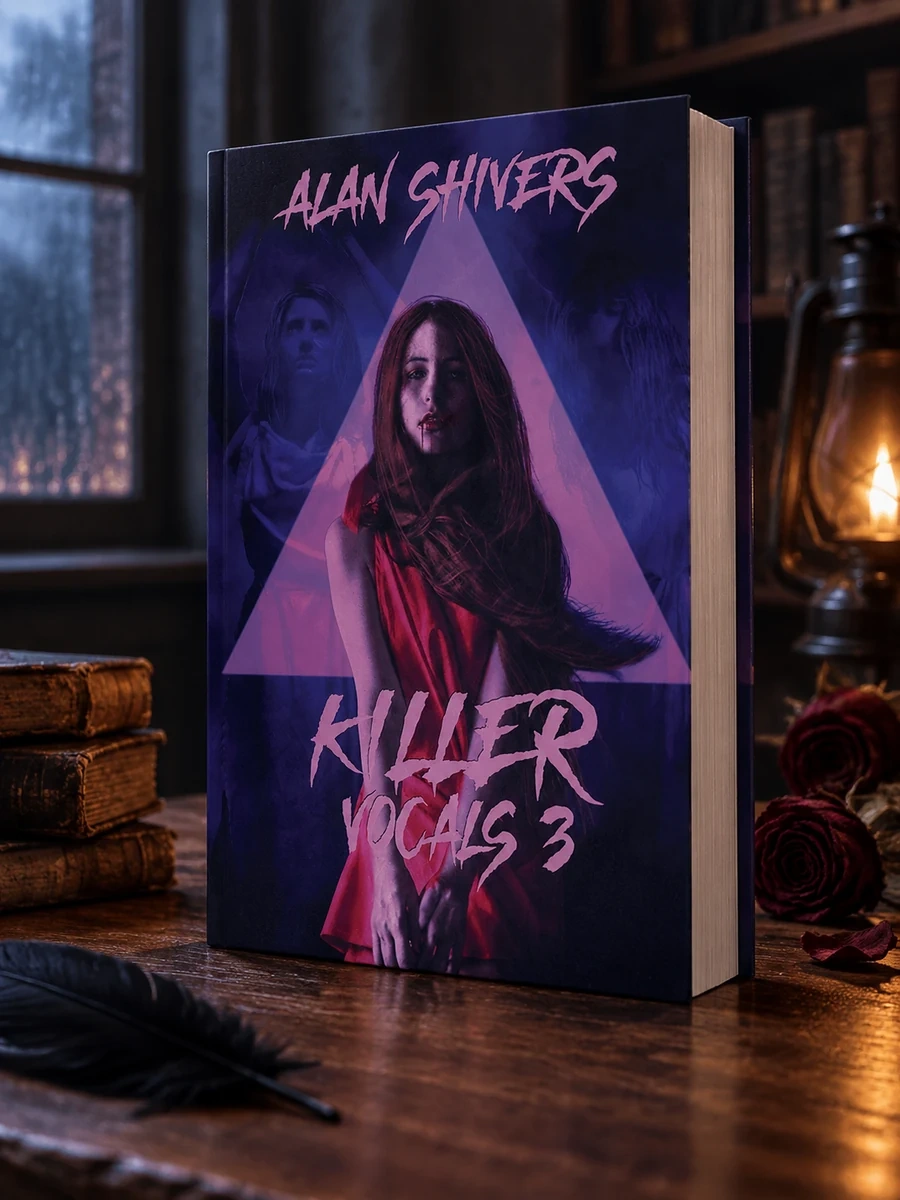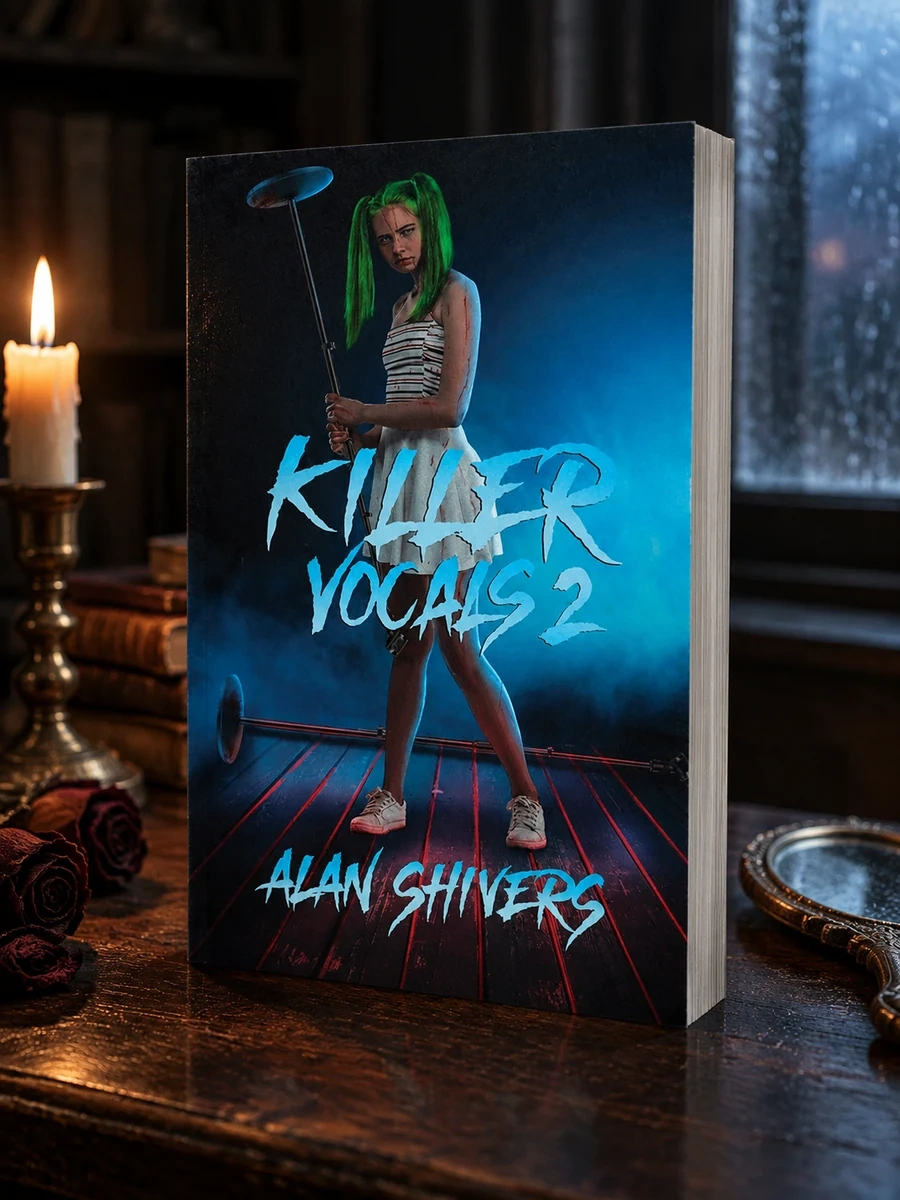
Killer Vocals
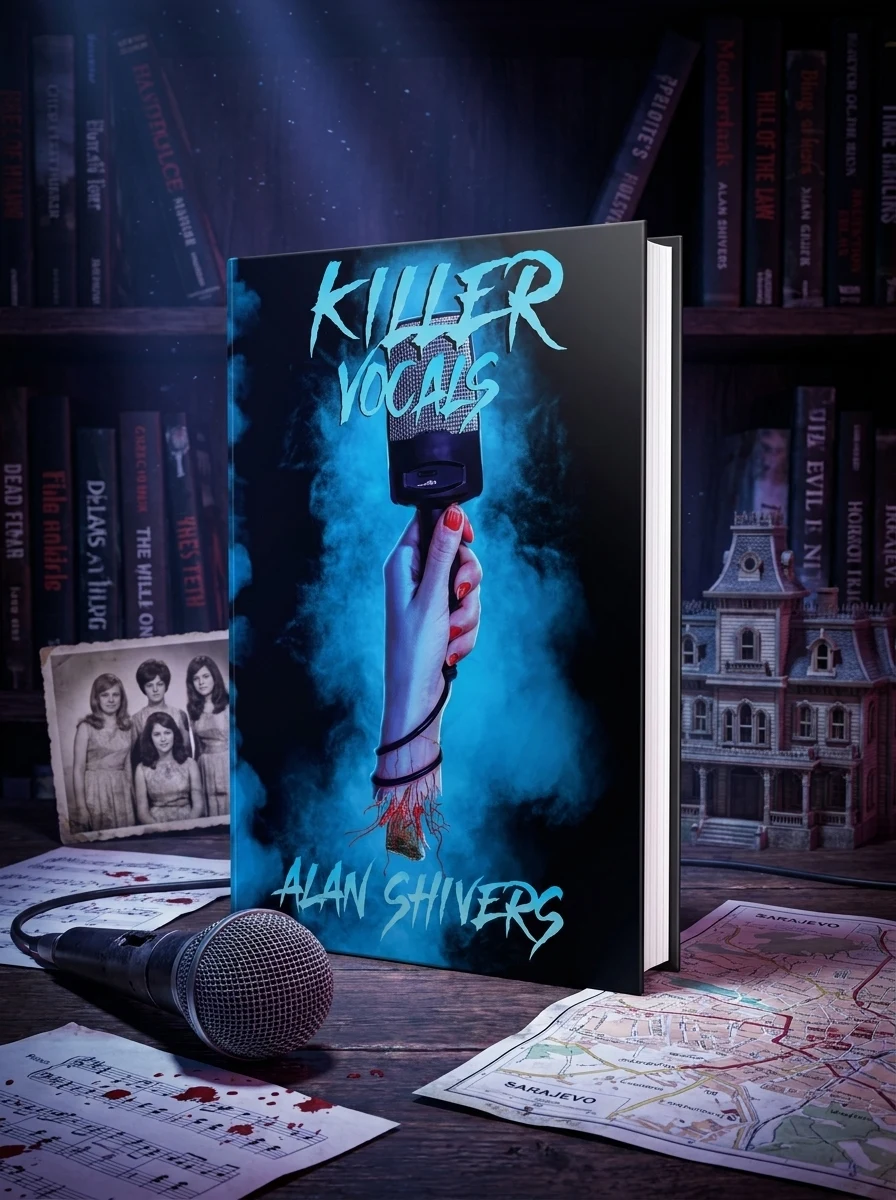
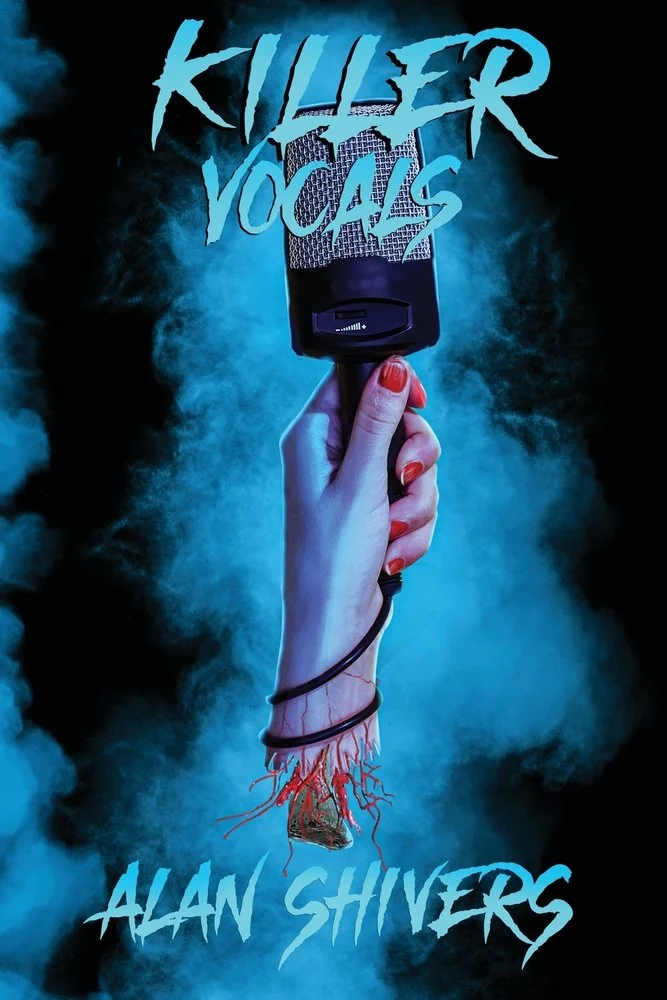
Greek sisters face a deadly slasher during a brutal girl band audition in Sarajevo.
Shivers constructs a narrative where the pursuit of musical fame collides with visceral terror. The setting is not merely a backdrop but an active participant in the violence. Six girls battle for a spot in a new group, unaware that their judge is a murderer. The sisters Themis and Hara must navigate this lethal environment while maintaining their composure. The book draws on the tradition of killer-in-a-house stories but updates it with contemporary references to pop music culture. Shivers does not shy away from graphic violence or dark humor. The pacing accelerates as the body count rises, keeping readers engaged through sheer momentum. This is a story about the cost of ambition and the darkness behind the spotlight.
The book sits within the contemporary horror landscape of 2025, drawing on the long-standing tradition of slasher fiction. It updates the genre by incorporating modern pop culture elements and the specific cultural context of a Greek family navigating international fame in Bosnia.


📝 Description: Killer Vocals
💎 Our verdict on Killer Vocals
📖 Why choose it
Why this book is worth reading
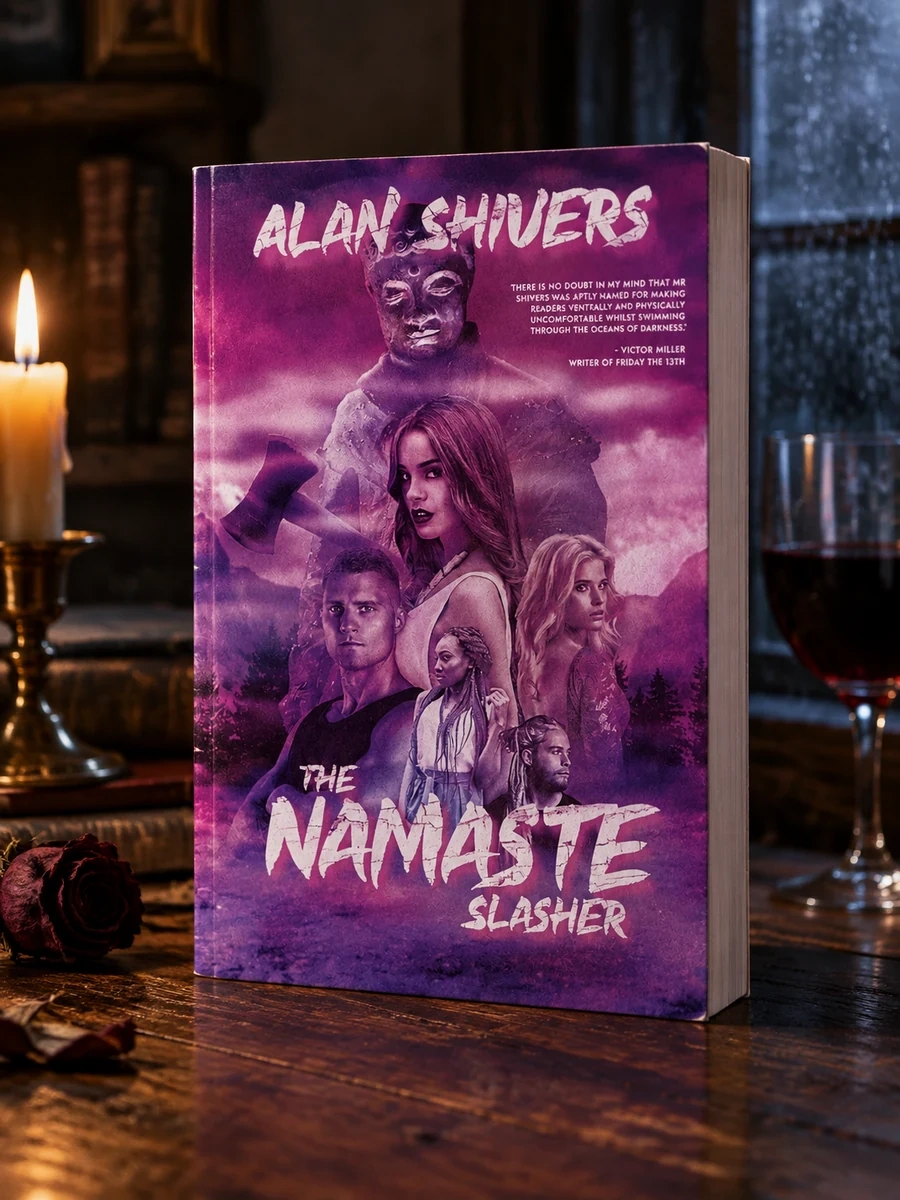
Readers seeking a fast-paced thriller that blends visceral terror with sharp social commentary will find this title compelling. It appeals to those who enjoy genre-bending horror that satirizes the music industry's cutthroat nature. The book offers a unique experience by merging gothic isolation with modern reality show dynamics, creating a pressure-cooker environment for its characters. Fans of Alan Shivers' previous works, such as Europa Halls Trilogy or The Namaste Slasher, will appreciate his signature blend of dark humor and horror. It is ideal for audiences who prefer stylized violence and ironic commentary over literary realism or slow-burn psychological dread.
⭐ Reader reviews
Reader rating
Shivers delivers a campy slasher narrative that effectively critiques the cost of ambition through the lens of a deadly audition. The setting of Sarajevo functions as an active participant, enhancing the gothic isolation essential to the plot. While the book excels in momentum and dark humor, it sacrifices complex character studies for sheer violent spectacle. This approach suits fans of classic slasher traditions reimagined with modern irony. Those looking for deep psychological exploration may find the tone too stylized, but enthusiasts of pop culture satire and high-stakes survival will likely enjoy the sharp, entertaining critique of fame-seeking culture presented here.