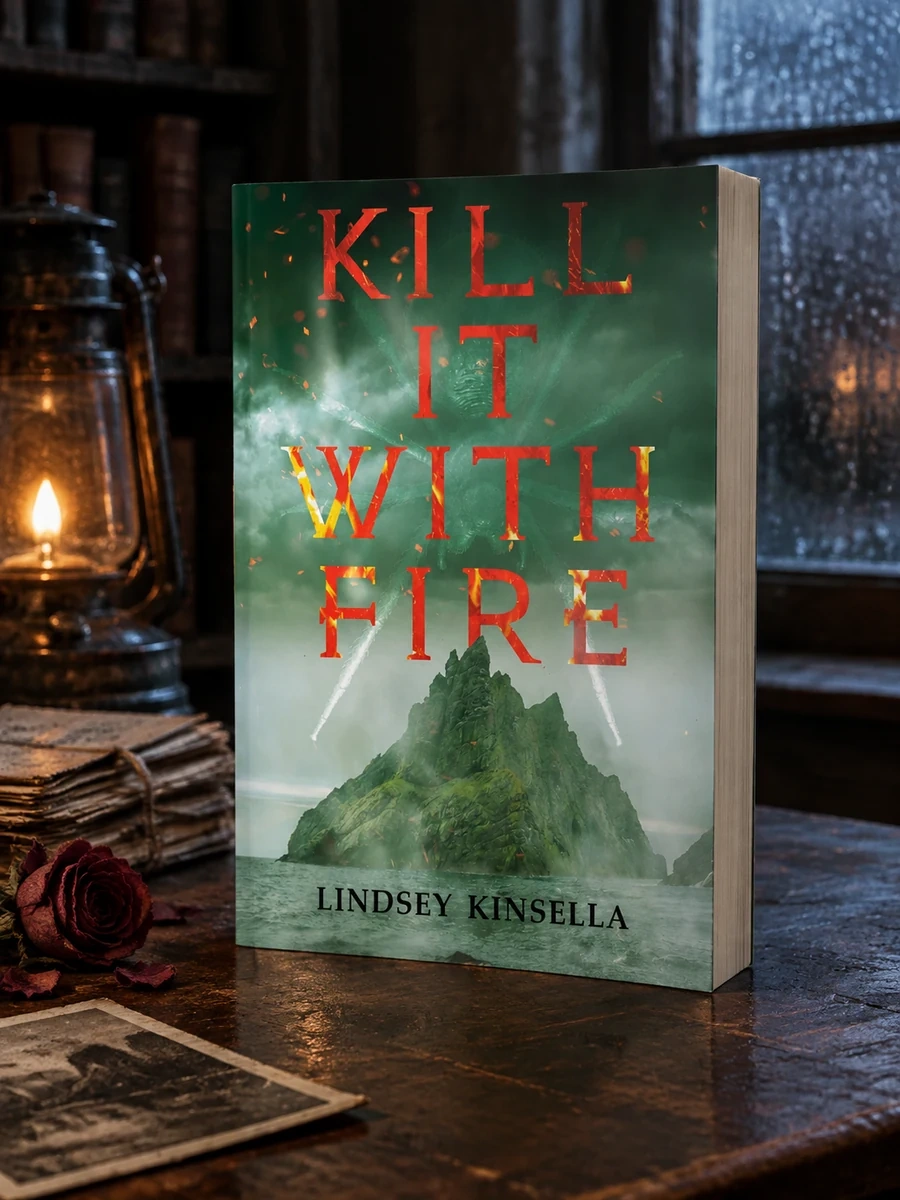
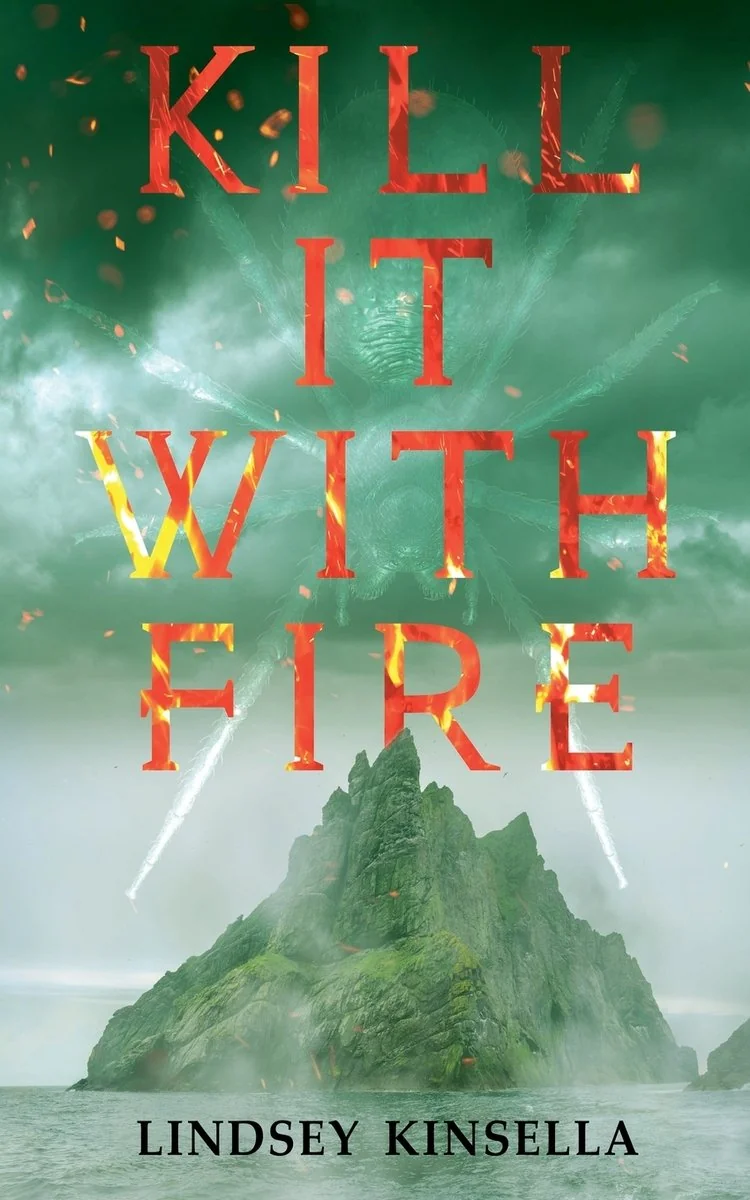
Kill It with Fire
A corporate surveyor leads a team to a haunted Scottish island with a spider infestation.
The narrative follows Bruce and his colleagues as they explore St Kilda for gas reserves. Their mission turns into a fight for survival when they encounter massive arachnids. The authors use the history of the islands abandonment to create atmosphere. The story examines how corporate interests ignore warning signs from the past. It highlights the vulnerability of humans in extreme environments. The terror arises from the combination of natural disasters and supernatural elements. Kinsella writes with a focus on sensory details of cold and fear. The plot reveals that the evacuation was necessary due to a monstrous entity. This work connects modern greed with historical tragedy.
The story is set in the remote Scottish island chain of St Kilda, which was abandoned by its people over a century ago. The narrative draws on gothic traditions of desolate landscapes and historical evacuation mysteries. It contrasts modern corporate surveying with ancient supernatural threats.


📝 Description: Kill It with Fire
💎 Our verdict on Kill It with Fire
📖 Why choose it
Why this book is worth reading
Readers who appreciate atmospheric horror and the intersection of human greed with ancient evils will find this narrative compelling. It offers a study in claustrophobic tension, where the landscape itself acts as an antagonist. Those interested in how historical tragedy informs present-day terror will value the exploration of corporate disregard for warning signs. The book appeals to fans of psychological horror that utilizes specific phobias and sensory details of cold and fear to build dread. It provides a desolate, unredemptive experience suitable for those who enjoy survival against overwhelming odds without the comfort of escape.
⭐ Reader reviews
Reader rating
Lindsey Kinsella effectively constructs a sense of inescapable dread by anchoring the horror in both physical arachnid threats and psychological isolation. The narrative succeeds in portraying the vulnerability of humans in extreme environments, using the abandoned Scottish island as a character in its own right. The tension between modern ambition and historical tragedy is well-rendered through sensory details of cold and fear. This work best suits readers who enjoy gothic fiction where nature opposes human intrusion. It delivers a bleak, atmospheric experience that prioritizes environmental hostility over conventional plot resolutions. Fans of cosmic horror and dark fantasy will appreciate the focus on ancient evils and the futility of corporate intervention.
📖 Read on the blog
✍️ More books by this author Lindsey Kinsella



You might also like
See more →




Have a question about this item?
Ask about the edition, condition, delivery or anything else — we reply by email or phone, usually within a day.
