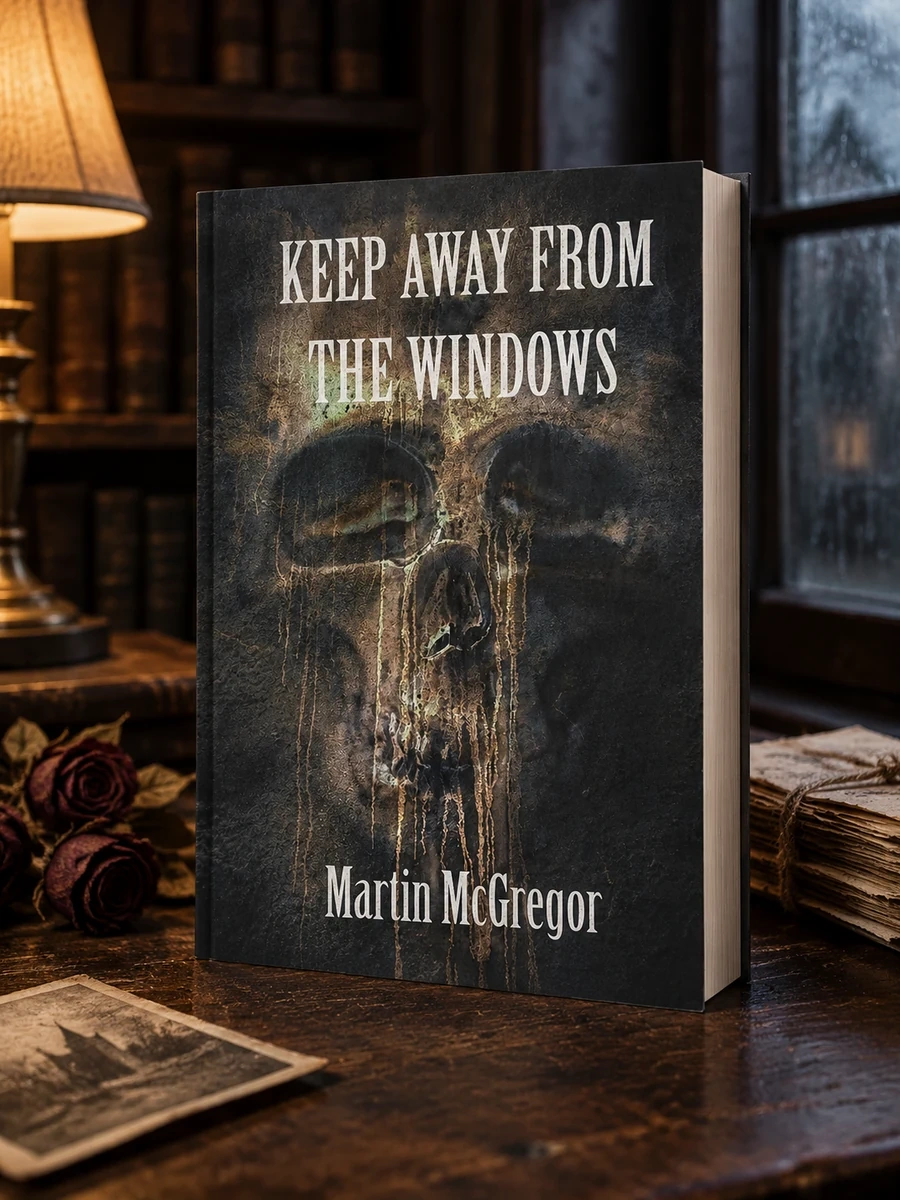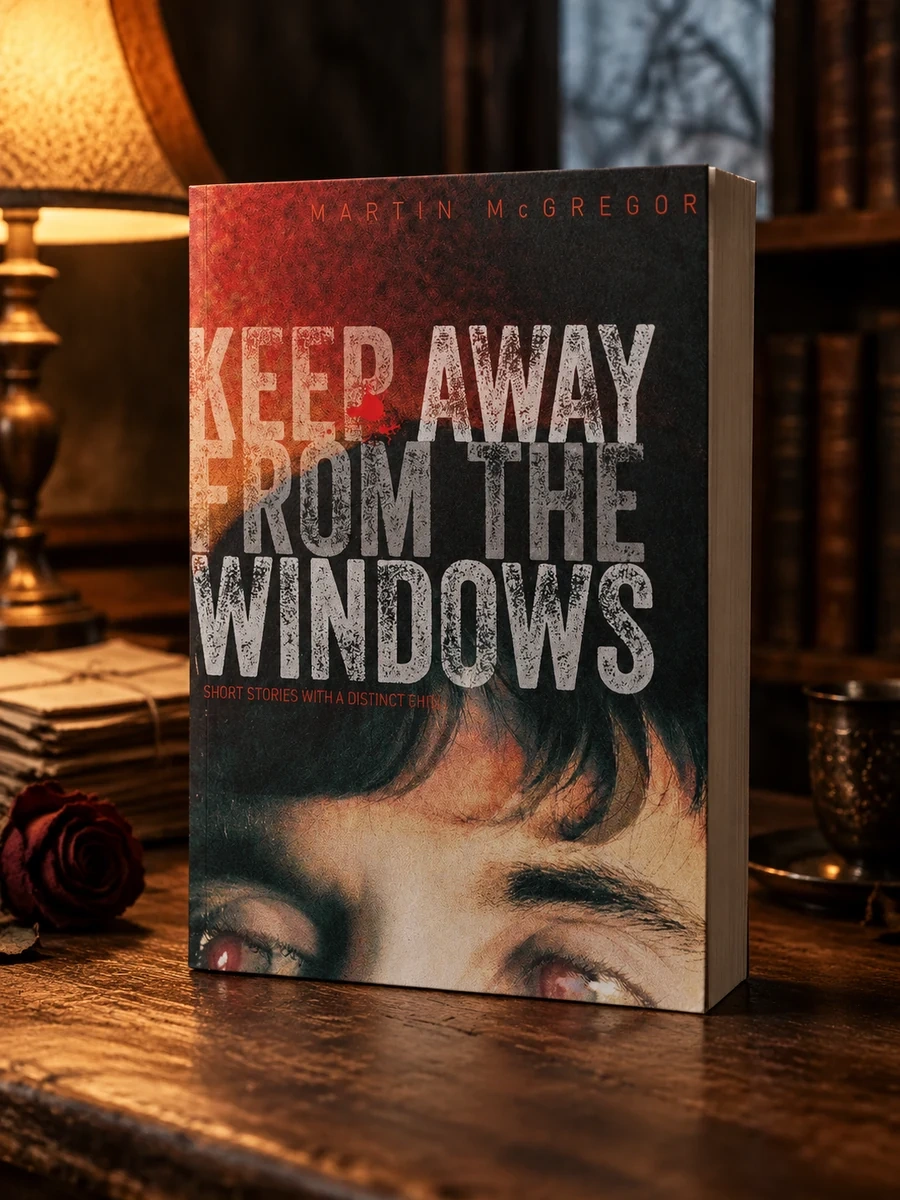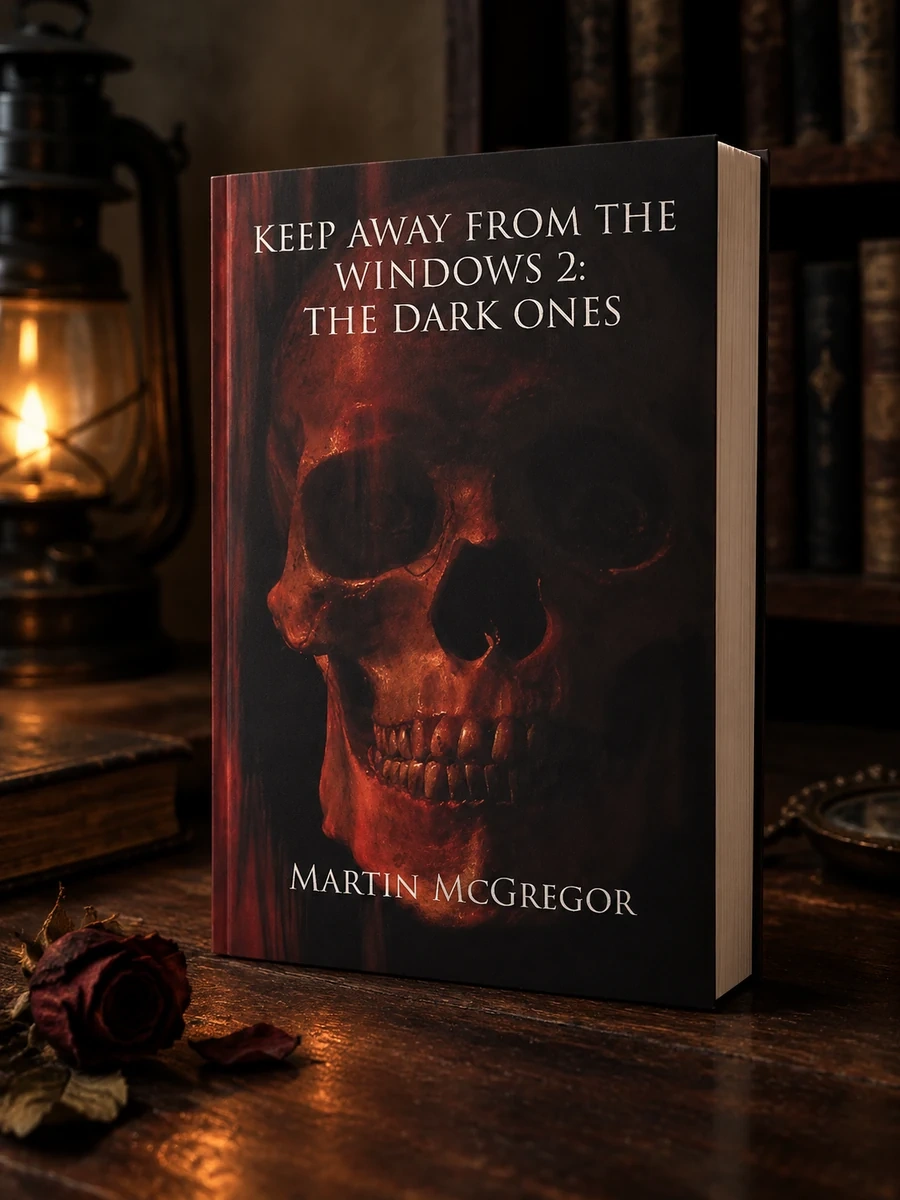

Keep Away From The Windows 2: : The Dark Ones
A collection of short horror stories by Martin McGregor focusing on human cruelty and supernatural dread.
McGregor structures this work around the intersection of everyday events and horrific outcomes. He utilizes short, easily absorbed formats to deliver impactful narratives about humanity's impact on the world. The text includes specific references to abandoned children and storm clouds, grounding the horror in tangible imagery. By continuing the story of Lady Ice, he adds a layer of character-driven tension to the anthology format. The stories range from tales of witches to accounts of giant rodents, ensuring variety within the unified theme of darkness.
Published in 2017 by an independent publisher, this work reflects contemporary English horror writing. It engages with modern anxieties about environmental collapse and societal breakdown while referencing classic genre tropes like zombies and witches.


📝 Description: Keep Away From The Windows 2: : The Dark Ones
💎 Our verdict on Keep Away From The Windows 2: : The Dark Ones
📖 Why choose it
Why this book is worth reading
Readers who appreciate concise horror fiction that challenges them to consider ethical implications will find this collection rewarding. It is ideal for those interested in biblical plagues, conspiracy theories, and the intersection of everyday events with horrific outcomes. The book appeals to audiences seeking social commentary woven into supernatural narratives, particularly those fascinated by tales of witches, giant rodents, or the ominous presence of storm clouds. Those who enjoy character-driven tension through the saga of Lady Ice will also benefit from the unified thematic thread. It serves as a compelling entry point for fans of dark fantasy and true crime aesthetics who prefer impactful, easily absorbed formats over long-form epics.
⭐ Reader reviews
Reader rating
McGregor effectively utilizes short, accessible formats to deliver narratives about humanity's impact on the world. The collection succeeds in grounding supernatural horror in tangible imagery, such as abandoned children and storm clouds, creating a sense of immediate dread. By blending gothic traditions with biblical imagery, the author explores mind control and shape-shifting creatures with varying degrees of success. The inclusion of Lady Ice provides necessary continuity across disparate plots involving zombies and global catastrophes. This volume is best suited for readers who enjoy concise horror that challenges ethical considerations rather than those seeking purely fantastical adventures without real-world grounding.