Karlita
A mother's obsession with adopting a mysterious child leads to supernatural consequences.
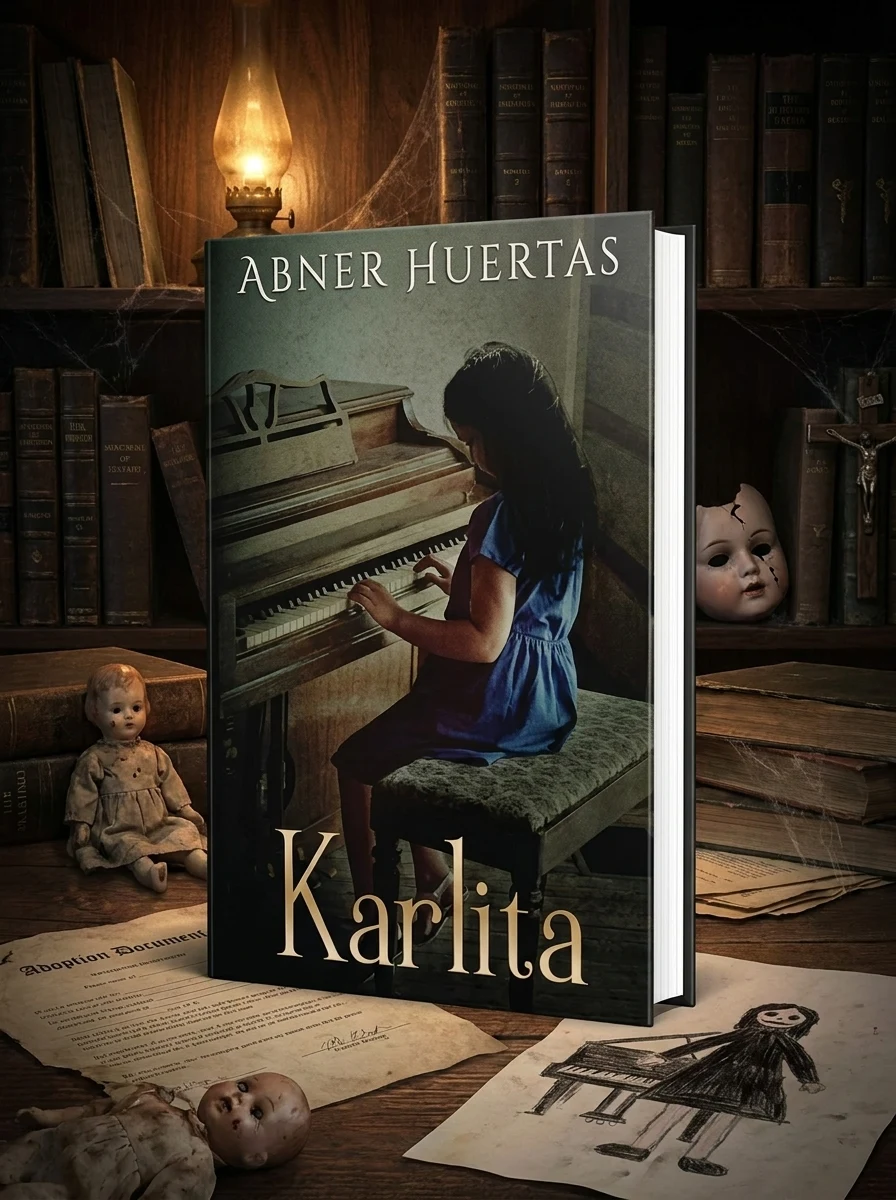
The narrative centers on Claudia, who faces a medical crisis while longing for another child. Her dreams guide her to the Jesus Orphanage, where she meets Karlita. The text details Claudia’s determination to adopt the girl despite clear warnings. This decision isolates her from reality and invites a dark fate. Huertas uses the orphanage setting to create an atmosphere of unease. The story does not offer escape or mercy for those who ignore the signs. It focuses on the psychological unraveling that follows unchecked desire.
The work originates from Abner Huertas, published in 2015. It draws on gothic traditions of haunted orphanages and cursed children common in Latin American horror literature. The text uses Spanish cultural settings like the Jesus Orphanage to ground its supernatural elements.


📝 Description: Karlita
💎 Our verdict on Karlita
📖 Why choose it
Why this book is worth reading
Readers who appreciate slow-burn psychological horror will find this narrative compelling due to its intense focus on the protagonist's unraveling psyche. The book offers a chilling exploration of unchecked desire and the consequences of ignoring clear warnings. It is ideal for those who enjoy stories where family dynamics turn sinister and emotional bonds mask dangerous realities. The atmospheric tension created by the orphanage setting provides a unique backdrop for examining how maternal love can become destructive. Fans of cosmic horror or tales with inescapable fates will appreciate the grim tone and the lack of mercy shown to those who fail to heed advice. It serves as a cautionary tale about letting desire override caution, appealing to readers who prefer stories that linger in the mind long after the final page.
⭐ Reader reviews
Reader rating
Abner Huertas crafts a chilling narrative centered on Claudia’s desperate attempt to fulfill her longing for motherhood through the adoption of Karlita. The story excels in building an atmosphere of unease, utilizing the isolated setting of the Jesus Orphanage to heighten dread. Huertas effectively portrays the psychological unraveling that follows unchecked desire, making the protagonist’s blind attachment both terrifying and tragic. The text avoids offering escape or mercy, ensuring a consistent tone of impending doom. This book is best suited for readers who enjoy psychological horror where family dynamics turn sinister. It may not appeal to those seeking lighthearted tales or clear moral resolutions. Instead, it offers a grim examination of the tension between maternal love and the unknown, warning against letting desire override caution in ways that feel both personal and universally unsettling.
You might also like
See more →







Have a question about this item?
Ask about the edition, condition, delivery or anything else — we reply by email or phone, usually within a day.
