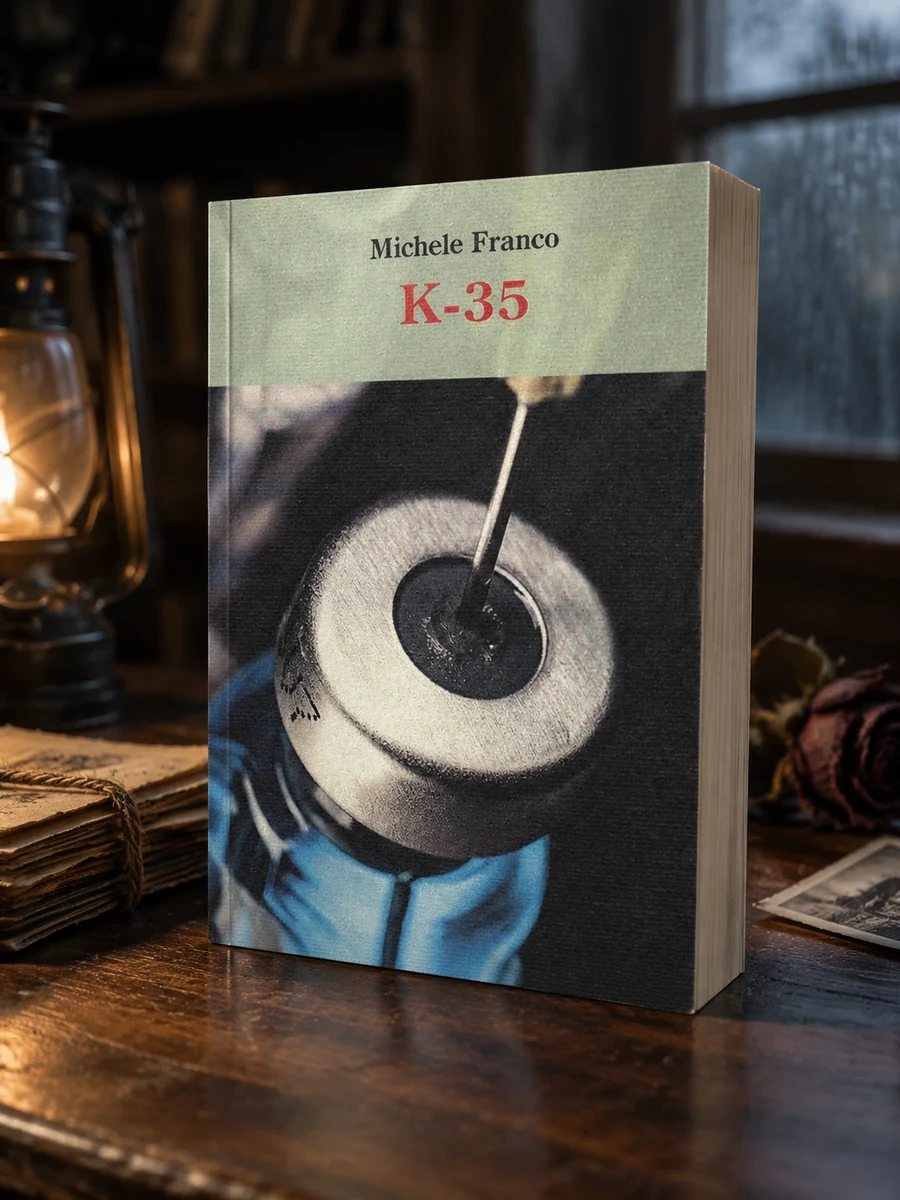
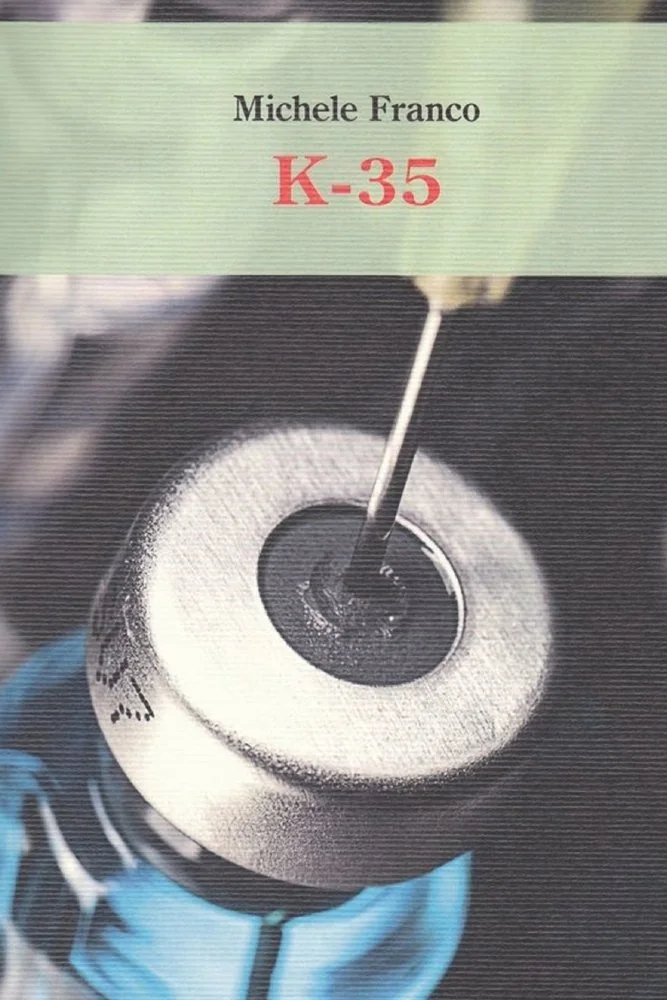
K-35
A doctor's cancer cure triggers monstrous transformations after Chernobyl.
The narrative follows Dr. Andrew Barkin as he attempts to prove his innocence while stopping a deadly threat. His Ketirius laboratory drug, designed to combat radiation sickness and tumors, becomes the catalyst for chaos. The story examines the consequences of rushing medical trials during a global crisis. Franco explores how desperation can lead to horrific outcomes when safety protocols are ignored. The plot relies on the tension between scientific hope and biological horror, showing how a cure can become a curse.
Set in 1985, the book reflects the immediate global fear following the Chernobyl nuclear accident. It captures the era's urgency regarding radiation sickness and the rapid development of medical countermeasures. The setting emphasizes the pressure on scientific institutions to provide solutions during a time of widespread panic and uncertainty.


📝 Description: K-35
💎 Our verdict on K-35
📖 Why choose it
Why this book is worth reading
Readers interested in body horror and Cold War-era scientific dilemmas will find this work engaging. The book offers a compelling exploration of ethical boundaries in research, examining how desperation can lead to horrific outcomes when safety protocols are ignored. It appeals to those who enjoy the tension between scientific hope and biological terror, showing how a cure can become a curse. Those fascinated by the consequences of rushing medical trials during a global crisis will appreciate the narrative’s focus on Dr. Andrew Barkin’s struggle to prove his innocence while stopping a deadly threat. The story provides a fictional yet intense look at the blurring line between healer and monster maker, making it suitable for fans of psychological horror and dark fantasy who value thematic depth over simple scares.
⭐ Reader reviews
Reader rating
Michele Franco effectively structures this tale around the race to validate a treatment before public panic turns into violence. The narrative shifts adeptly from medical thriller to supernatural horror as violent murders disrupt society, revealing a disturbing connection between the drug’s administration and monstrous transformations. While it does not offer comprehensive medical accuracy, it succeeds as a fictional exploration of ethical boundaries in research. Readers seeking historical precision regarding Chernobyl may find the fictionalized elements jarring, but fans of body horror will appreciate the visceral stakes. The work excels in examining how desperation fuels dangerous scientific choices, making it a strong choice for enthusiasts of cosmic and psychological horror who enjoy stories where hope curdles into terror.
📖 Read on the blog
🏛 Books from this publisher Independently Published








You might also like
See more →



Have a question about this item?
Ask about the edition, condition, delivery or anything else — we reply by email or phone, usually within a day.
