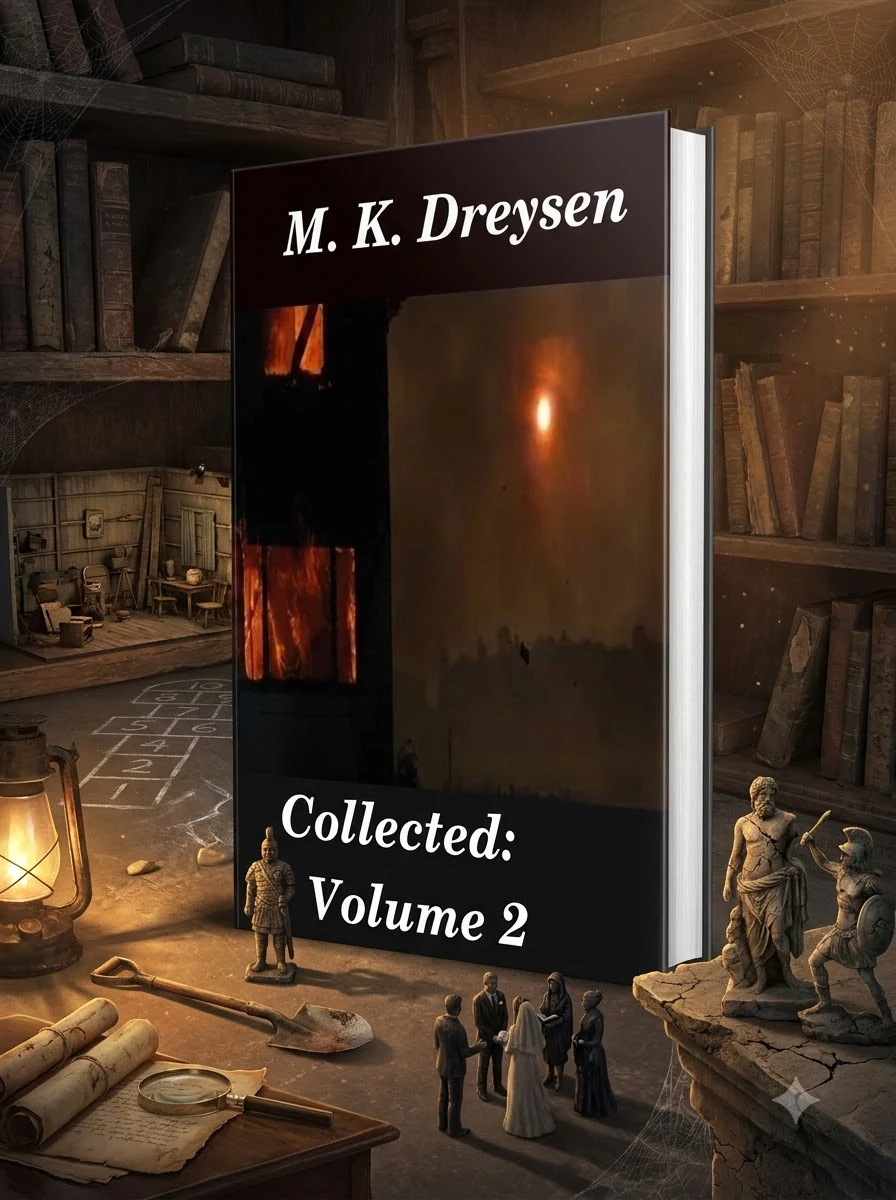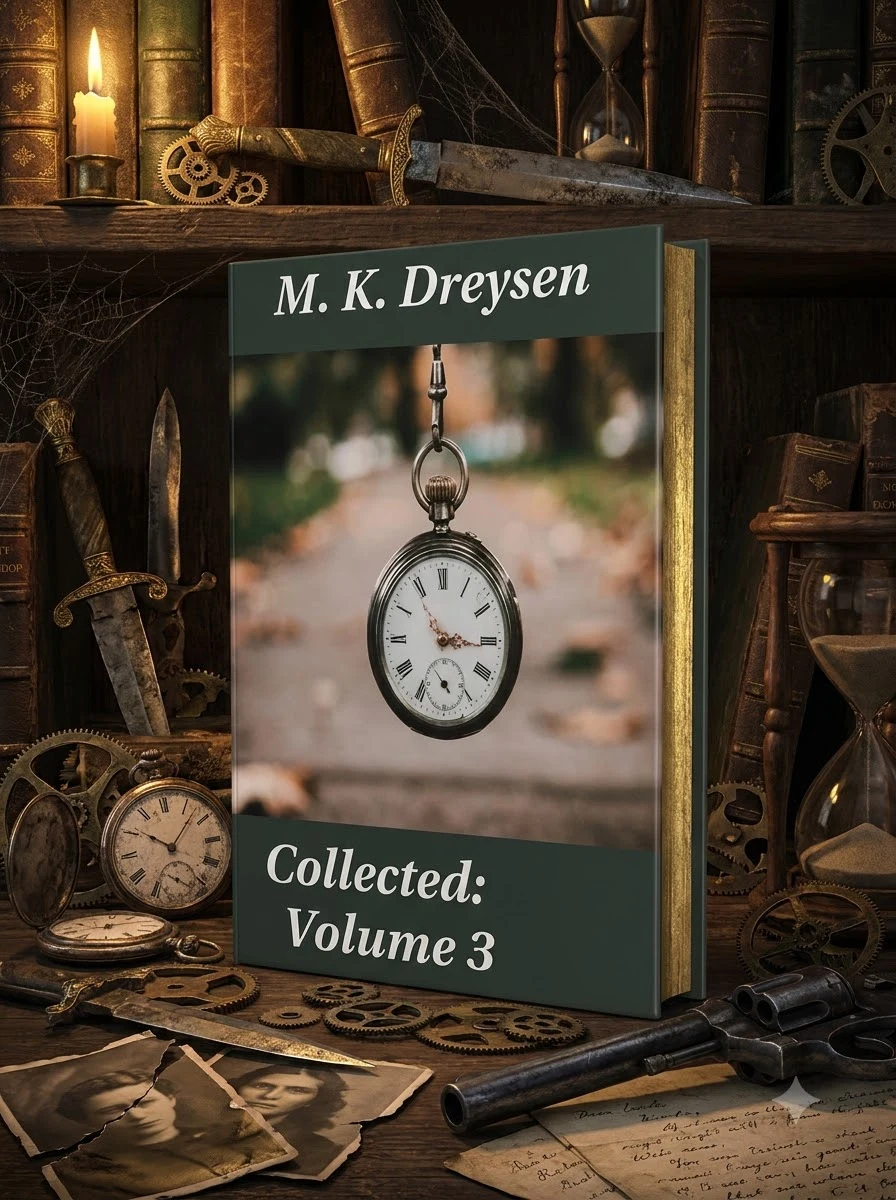
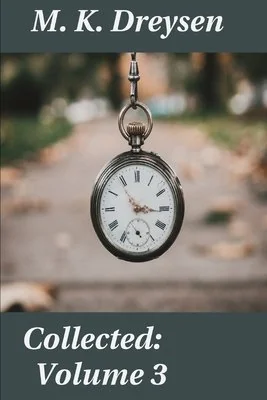
Collected: Volume 3
Six tales by M. K. Dreysen about betrayal and the wish to start over.
The collection examines the aftermath of broken trust through six distinct narratives. Each story investigates how characters react when betrayed by those they relied upon. The central motif involves the temptation to reverse time or correct past errors. Dreysen portrays this desire not as a gift but as a source of further suffering. The tales highlight the coldness of violence and the duplicity of authority figures. Readers will find stories where the pain of loss drives individuals toward desperate measures. The work does not offer easy resolutions or comfort. Instead, it presents a stark view of how betrayal reshapes identity and fate. The narratives are tightly focused on emotional devastation and the consequences of wishing for change.
Published independently in 2020, this volume sits within the tradition of American horror fiction. It draws on gothic and supernatural elements to explore human psychology. The work aligns with contemporary short story collections that focus on intimate fears rather than large-scale apocalyptic scenarios.


📝 Description: Collected: Volume 3
💎 Our verdict on Collected: Volume 3
📖 Why choose it
Why this book is worth reading
Readers who appreciate the intersection of psychological horror and gothic themes will find this volume compelling. Those drawn to concise, impactful storytelling that prioritizes emotional resonance over lengthy exposition will gain from Dreysen’s focused examination of broken trust. The collection appeals to individuals interested in the heavy price of regret and the sharp pain of betrayal. It suits fans of dark fantasy and true crime aesthetics who enjoy narratives where violence is cold and authority figures are duplicitous. By avoiding easy resolutions, the book offers a stark view for those willing to confront emotional devastation and supernatural retribution without comfort.
⭐ Reader reviews
Reader rating
M. K. Dreysen delivers a potent anthology that excels in creating immediate emotional impact through tightly focused narratives. The work succeeds by portraying the desire to reverse time not as a gift, but as a source of further suffering. Dreysen effectively highlights the duplicity of authority and the coldness of violence, ensuring each tale resonates with the weight of lost trust. This collection is best suited for readers who prefer psychological horror over traditional plot structures. It avoids sprawling arcs to emphasize the consequences of wishing for change. Fans of gothic fiction and cosmic dread will appreciate the compact reading experience and the stark examination of human frailty.