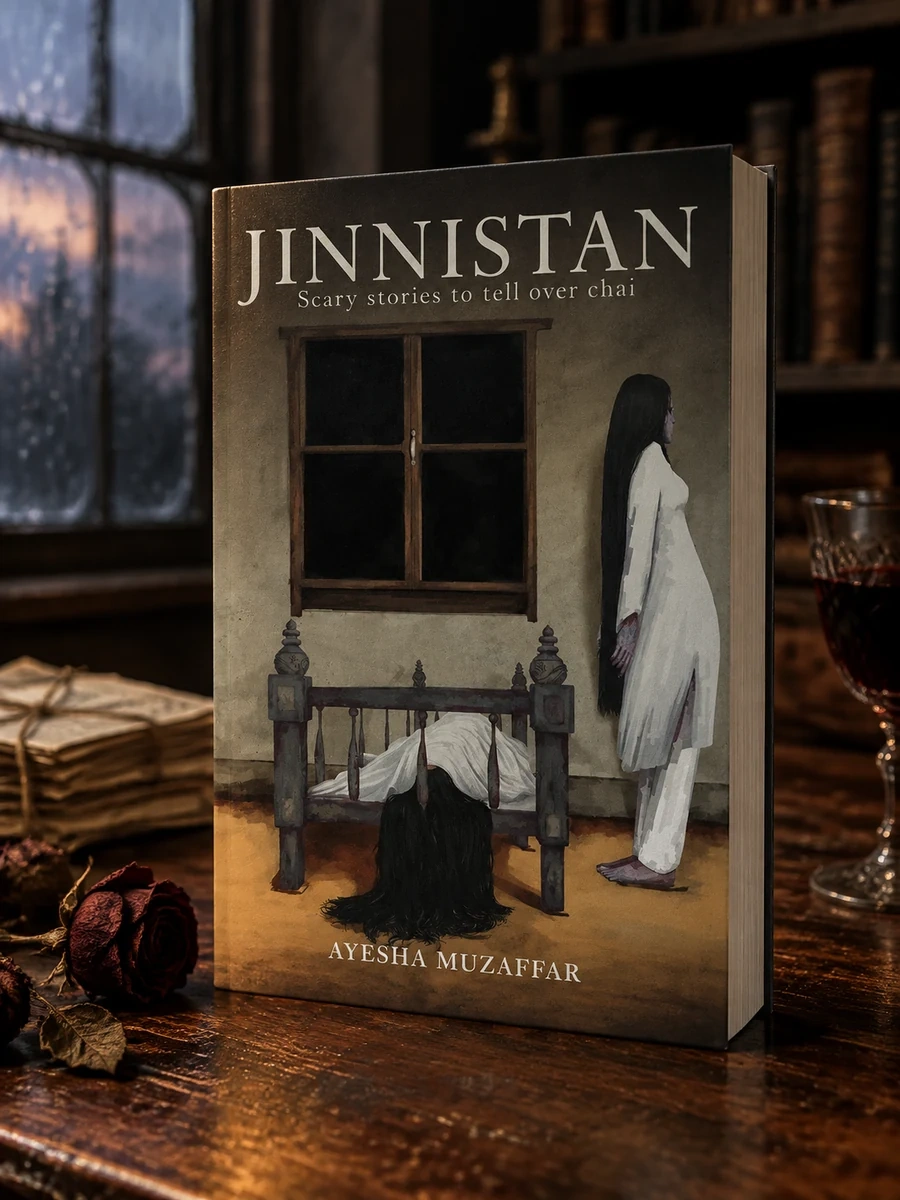
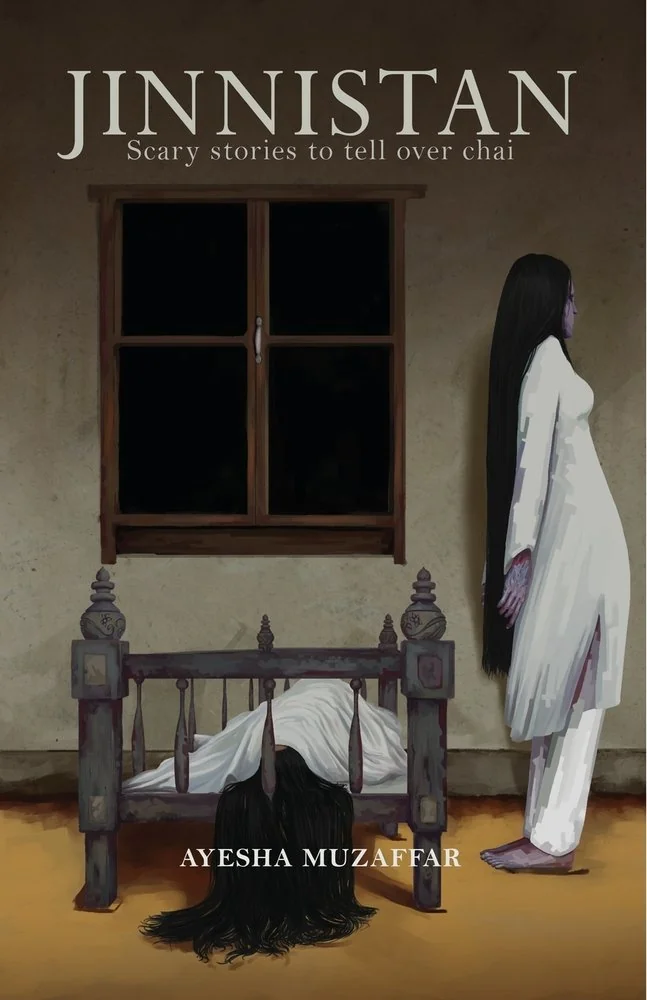
Jinnistan
A collection of South Asian short horrors based on true jinn events
Muzaffar uses the cultural backdrop of Pakistani life to explore the fear of unseen entities. The narratives often center on the disruption of family units by spirits that mimic familiar faces. By linking these tales to real events, the author creates a sense of unease that extends beyond the page. The stories reflect a society where the paranormal is an accepted part of existence, influencing decisions about marriage and food. This context provides a unique lens for understanding how fear operates within specific cultural frameworks.
The book sits within Pakistani culture, referencing December shaadis and desi food as key elements that frame the jinn narratives. It draws on the widespread love of jinn stories among Pakistanis to create a specific atmospheric context for these supernatural tales.


📝 Description: Jinnistan
💎 Our verdict on Jinnistan
📖 Why choose it
Why this book is worth reading
Readers seeking a fresh perspective on horror that moves beyond Western gothic tropes will find profound value in Muzaffar’s work. The book offers an intimate exploration of how the paranormal permeates everyday life, specifically within Pakistani communities. By grounding supernatural events in domestic settings like December weddings and desi cuisine, the text makes the fear feel immediate and unavoidable. This collection is ideal for those interested in cultural folklore, psychological unease, and the disruption of family units by mimicking spirits. It provides a unique lens on how fear operates within specific cultural frameworks, blurring the line between myth and reality without relying on generic horror elements.
⭐ Reader reviews
Reader rating
Muzaffar successfully crafts a chilling atmosphere by integrating jinn lore with the mundane realities of Pakistani life. The narratives excel in their ability to make the supernatural feel intimate and pervasive, often centering on entities that mimic loved ones or neighbors. This approach creates a distinct sense of unease that extends beyond the page, particularly through the use of true event claims. The book is best suited for readers interested in regional horror, cultural folklore, and psychological tension. It avoids generic tropes, instead offering a tightly focused exploration of unseen threats within specific societal contexts. Those who appreciate how fear influences decisions about marriage and food will find this collection compelling and deeply unsettling.
You might also like
See more →







Have a question about this item?
Ask about the edition, condition, delivery or anything else — we reply by email or phone, usually within a day.
