Jaspierre
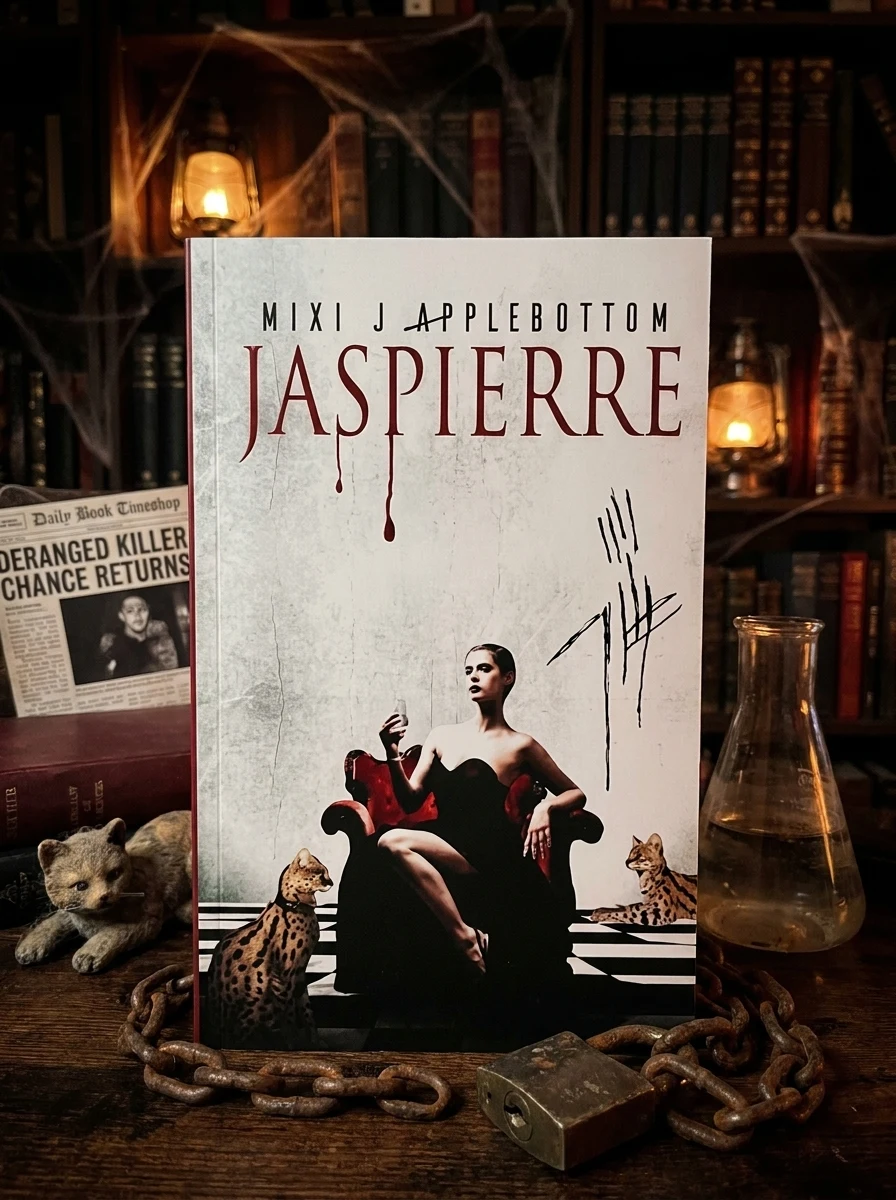
A gothic horror tale about a woman trapped by her father's legacy and a returning stalker.
The narrative follows Jaspierre as she manages a long-term imprisonment in her basement while dealing with the imminent threat of Chance. Applebottom explores themes of inherited madness and moral paralysis. The story highlights the contrast between passive neglect and active obsession. It questions whether familial loyalty justifies prolonged cruelty. The text avoids traditional heroics, focusing instead on the protagonist's inability to act decisively. This approach creates a unique atmosphere of dread rooted in domestic routine rather than sudden scares.
This work sits within the American horror tradition of psychological thriller and gothic fiction. Published by Marilyn's Books, it engages with tropes of familial depravity and supernatural influence common in late twentieth-century genre literature.


📝 Description: Jaspierre
💎 Our verdict on Jaspierre
📖 Why choose it
Why this book is worth reading
Readers who appreciate slow-burn psychological tension and complex character studies will find this narrative compelling. It appeals to those interested in the nuances of moral paralysis and the boundaries of sanity within a confined setting. The book is ideal for audiences who prefer atmospheric dread over action, offering a deep dive into inherited trauma and domestic isolation. Those seeking clear resolutions or straightforward monster hunting may find it less satisfying, but fans of dark fantasy and gothic fiction will appreciate its unique exploration of passive neglect versus active obsession.
⭐ Reader reviews
Reader rating
Applebottom crafts a claustrophobic atmosphere where psychological decay replaces traditional scares. The narrative effectively utilizes the confined domestic space to explore themes of inherited madness and familial duty without resorting to heroics. By focusing on Jaspierre’s inability to act decisively, the text creates a pervasive sense of dread rooted in routine rather than sudden shocks. This approach suits readers who enjoy complex character studies within the horror genre. The story distinguishes itself through its refusal to offer moral clarity, instead highlighting the weight of personal problems and the terrifying indifference that can arise from prolonged stagnation.
You might also like
See more →







Have a question about this item?
Ask about the edition, condition, delivery or anything else — we reply by email or phone, usually within a day.
