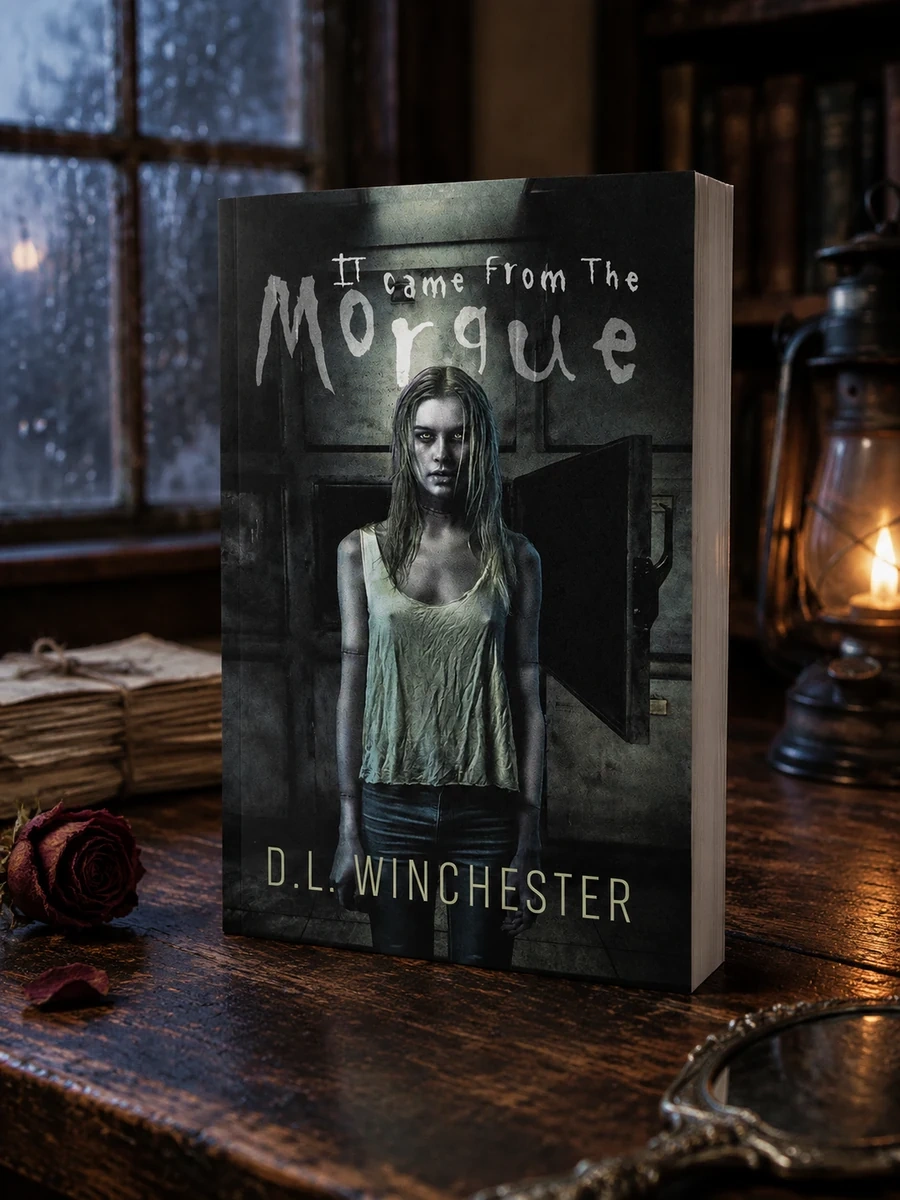
It Came from the Morgue
A rural hospital faces a feeding cadaver in this supernatural horror tale.
Winchester explores the breakdown of order in a medical facility when a corpse begins hunting the living. The narrative tracks the increasing power of the abomination as it feeds, creating a desperate race against time for the remaining staff and patients. The story relies on the tension between professional duty and primal fear, set within the sterile yet vulnerable walls of a rural hospital. It examines how isolation amplifies terror when traditional safety measures fail against an unnatural enemy.
This work sits within the American tradition of gothic and supernatural fiction, published in 2026. It draws on the long-standing cultural fear of medical mishandling and the uncanny valley of the morgue, reflecting contemporary anxieties about mortality and institutional failure in isolated settings.


📝 Description: It Came from the Morgue
💎 Our verdict on It Came from the Morgue
📖 Why choose it
Why this book is worth reading
Readers who enjoy classic gothic horror and tales of isolated institutions under siege will find this book highly rewarding. It suits fans of body horror and suspenseful narratives involving medical settings, offering a desperate race against time as staff and patients confront an escalating threat. Those seeking lighthearted fiction or non-fiction medical guides will find this work unsuitable, but anyone craving the tension between professional duty and primal fear within sterile walls will appreciate the exploration of how isolation amplifies terror when traditional safety measures fail. The text focuses on the struggle for survival against a reanimated corpse, drawing on the enduring trope of the walking dead within a confined, high-stakes environment that tests the limits of human resilience.
⭐ Reader reviews
Reader rating
Winchester delivers a potent tale of rural horror where the dead refuse to stay buried, centering on a hospital staffed by personnel and patients facing an escalating threat from a feeding cadaver. The narrative effectively tracks the abomination's increasing power as it consumes victims, creating palpable tension between professional duty and primal fear. By setting this against the backdrop of a rural hospital, Winchester examines how isolation amplifies terror when traditional safety measures fail. The story relies on suspenseful progression rather than explicit gore, making it ideal for fans of psychological horror and classic gothic tropes involving medical settings. It successfully captures the dread of institutional vulnerability.
📖 Read on the blog
✍️ More books by this author D L Winchester


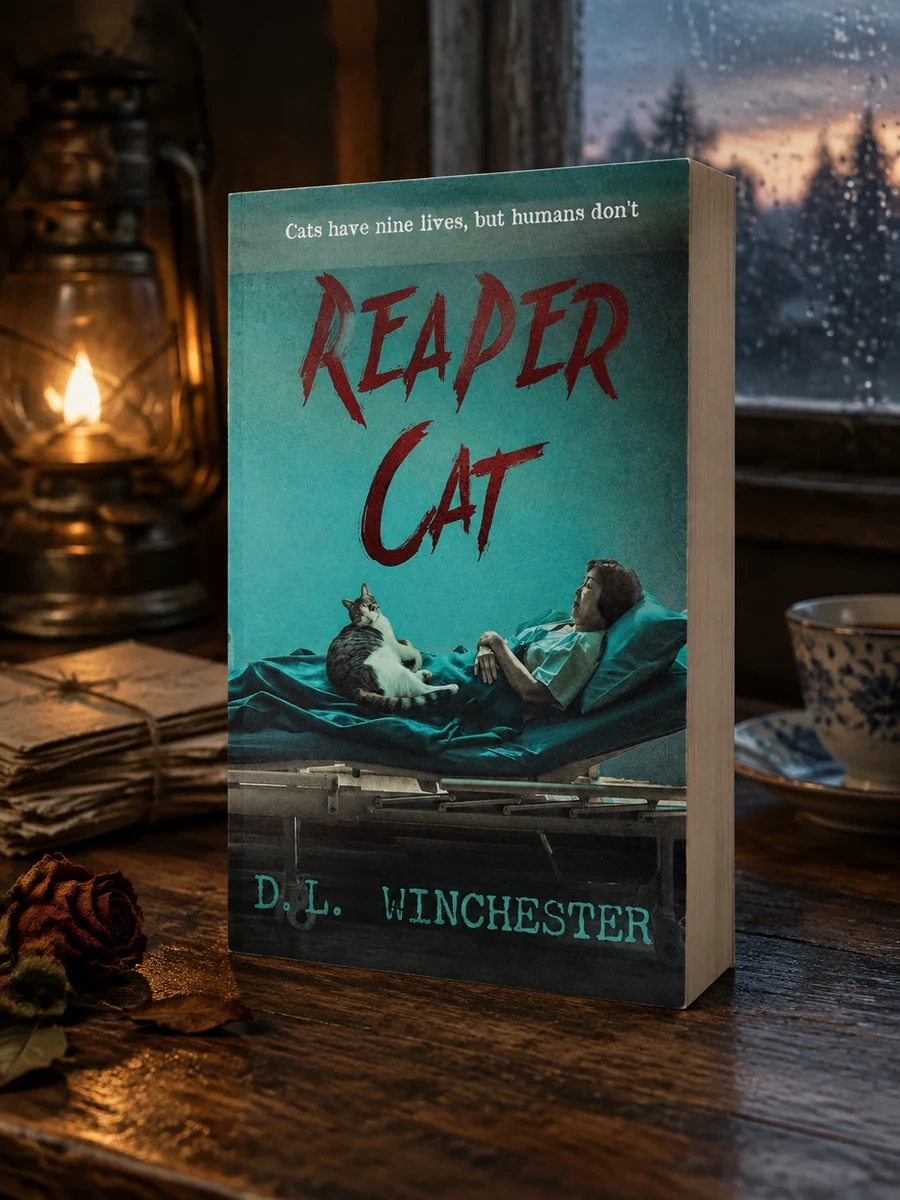
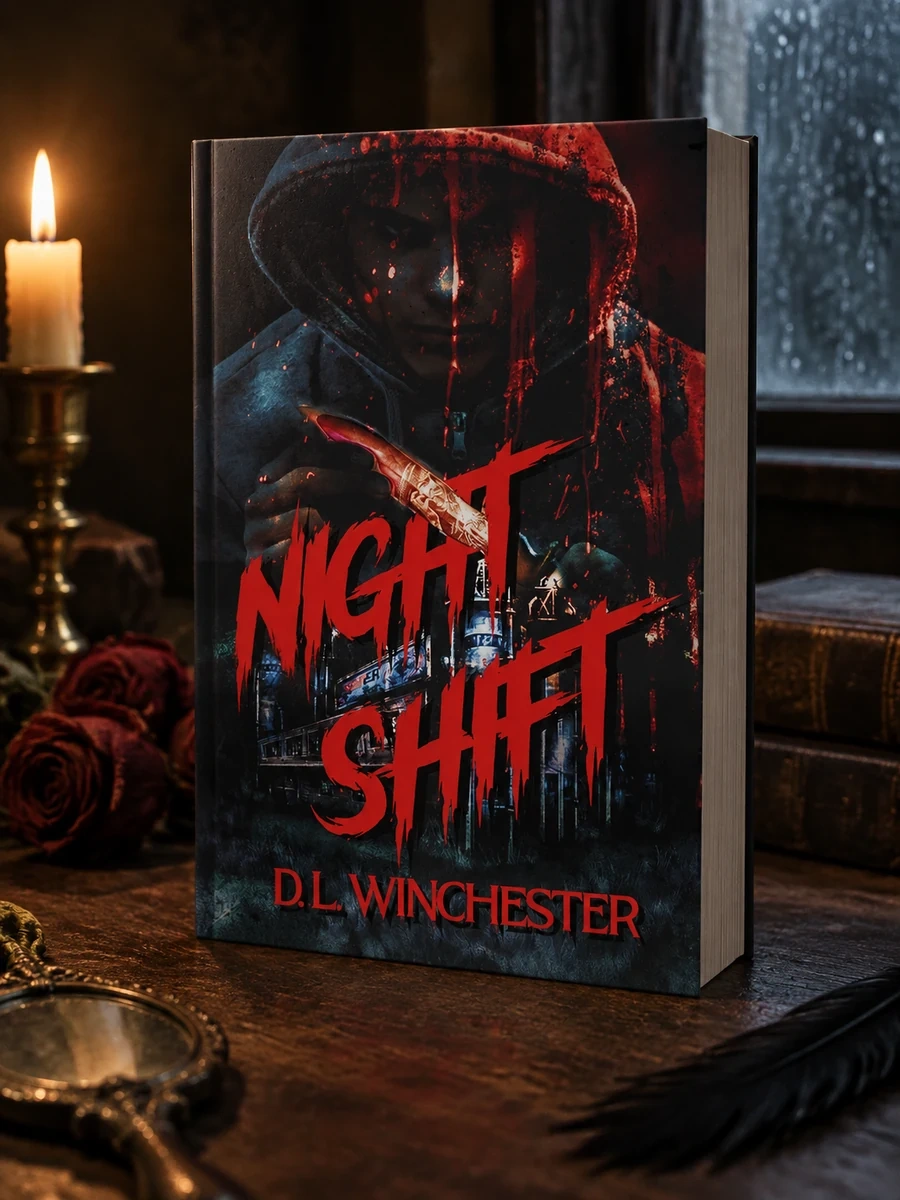
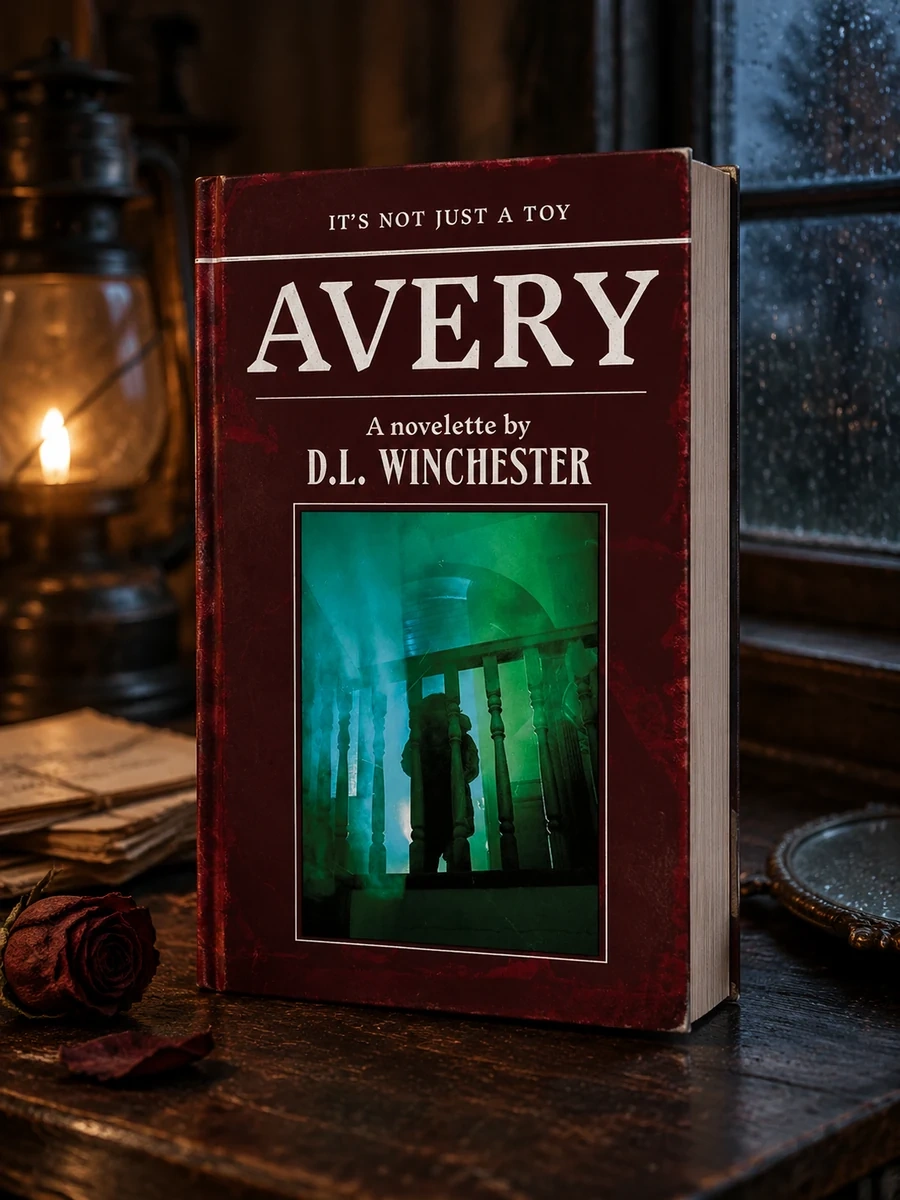
🏛 Books from this publisher Winchester Horror Publishing
You might also like
See more →



Have a question about this item?
Ask about the edition, condition, delivery or anything else — we reply by email or phone, usually within a day.
