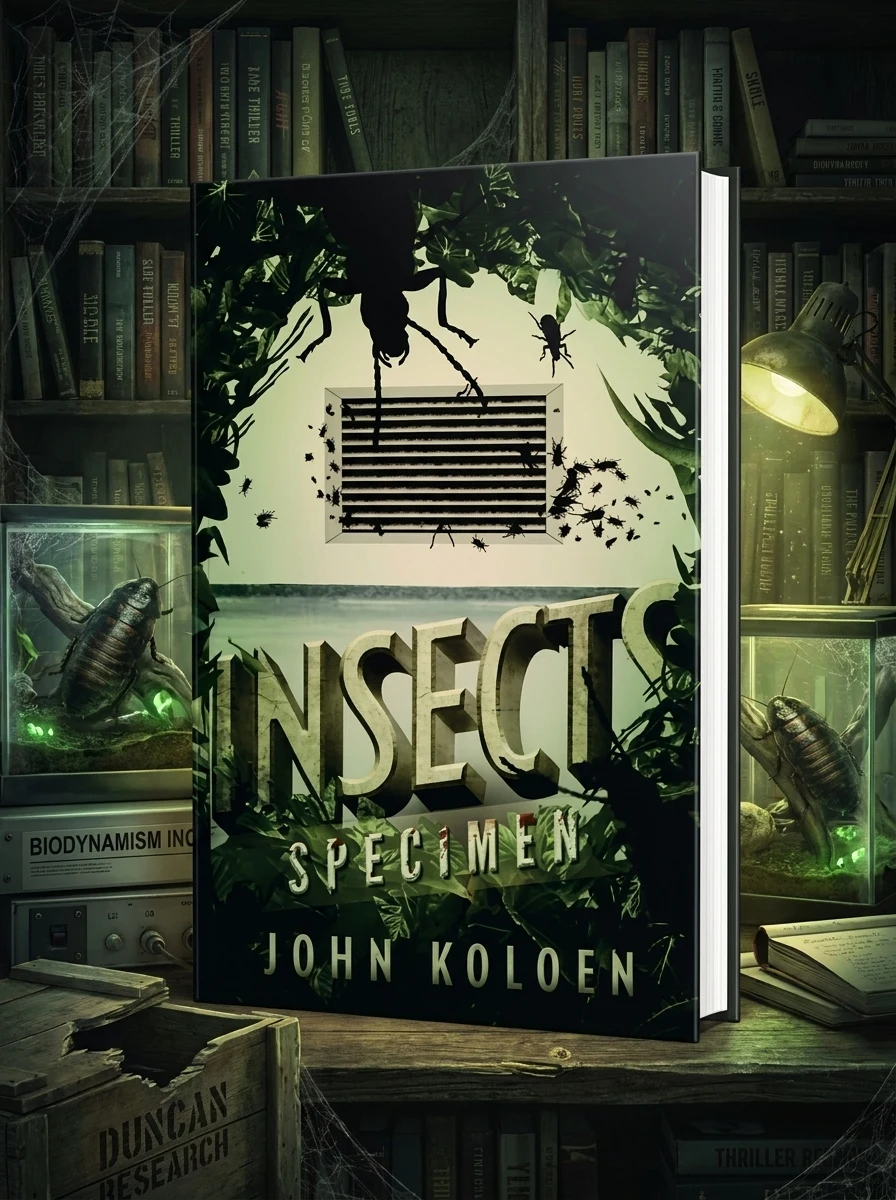
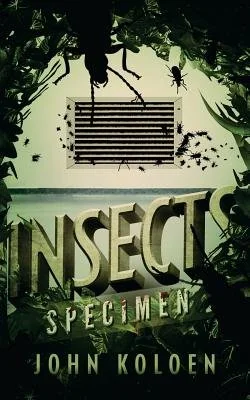
Insects: Specimen
A thriller about an entomologist and deadly insects at a secretive company.
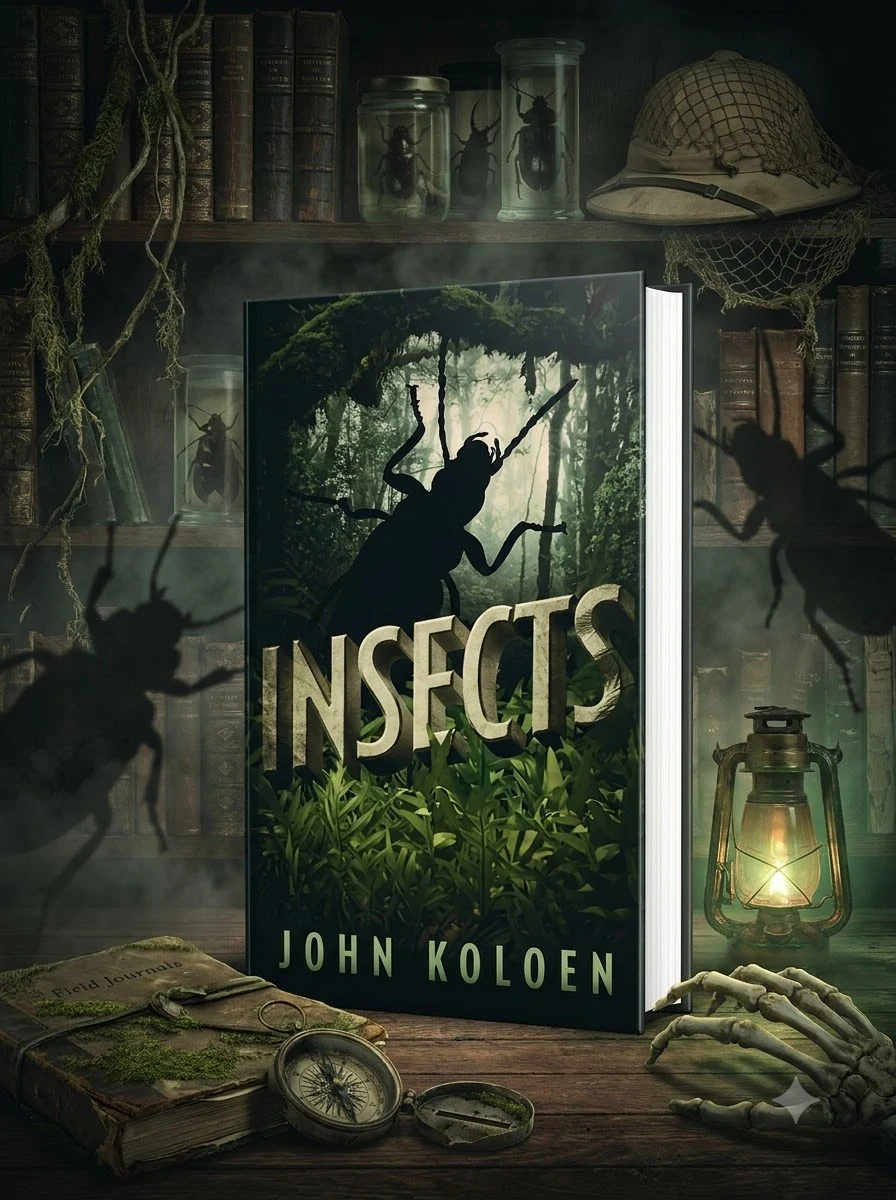
The narrative follows Howard Duncan as he navigates the dangerous waters of corporate research. His work with Reptilus blaberus specimens becomes a liability when breeding accelerates unexpectedly. The conflict between Duncan’s scientific integrity and the CEO’s aggressive tactics creates a volatile environment. The story does not offer easy resolutions for the entomologist. Instead, it focuses on the escalating danger posed by the insects themselves. Koloen uses this setting to explore themes of control and unintended consequences in biological research. The conclusion ties together the threads of Duncan’s professional life with the physical threat he faces.
Published by Watchfire Press in 2016, this volume sits within the contemporary horror genre. It appeals to fans of speculative fiction that blends scientific concepts with supernatural dread. The work continues a specific narrative arc established in earlier titles.


📝 Description: Insects: Specimen
💎 Our verdict on Insects: Specimen
📖 Why choose it
Why this book is worth reading
Readers who appreciate the intersection of scientific inquiry and visceral danger will find this conclusion to the Insects Trilogy compelling. The narrative offers a tense exploration of professional integrity versus corporate aggression, centered on the volatile relationship between entomologist Howard Duncan and Biodynamism Inc.'s leadership. It appeals to those who enjoy psychological pressure and the specific subgenre of insect-based horror. By focusing on the escalation of biological threats within a secretive facility, the book provides a satisfying resolution for fans of established character dynamics. It is ideal for audiences seeking a thriller that prioritizes the clash between scientific objectives and hard-charging executive demands, rather than historical or non-fictional approaches to entomology.
⭐ Reader reviews
Reader rating
Koloen delivers a focused conclusion that emphasizes the escalating physical threat posed by Reptilus blaberus specimens. The narrative effectively contrasts Duncan's scientific integrity with the CEO's aggressive tactics, creating a volatile environment. This approach suits readers who prefer scientific thrillers over gothic or historical settings. The book succeeds in tying professional conflicts to immediate biological dangers. Those invested in the trilogy's established characters will find the dynamics engaging. It is best suited for fans of corporate horror and insect-based scares who value tension over easy resolutions. The focus on control and unintended consequences resonates strongly within the subgenre.