Insanity
A daughter investigates her father's madness in a town hiding eleven buried secrets.
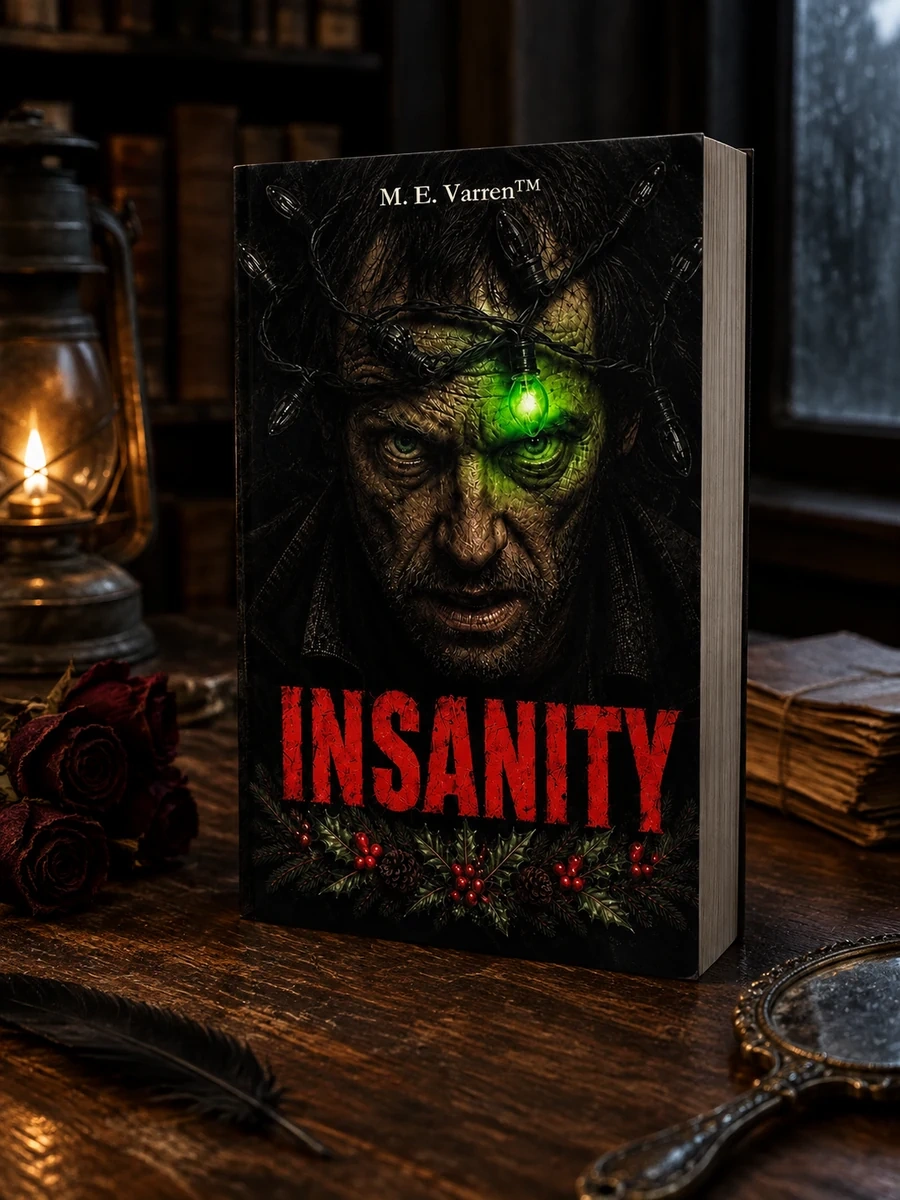
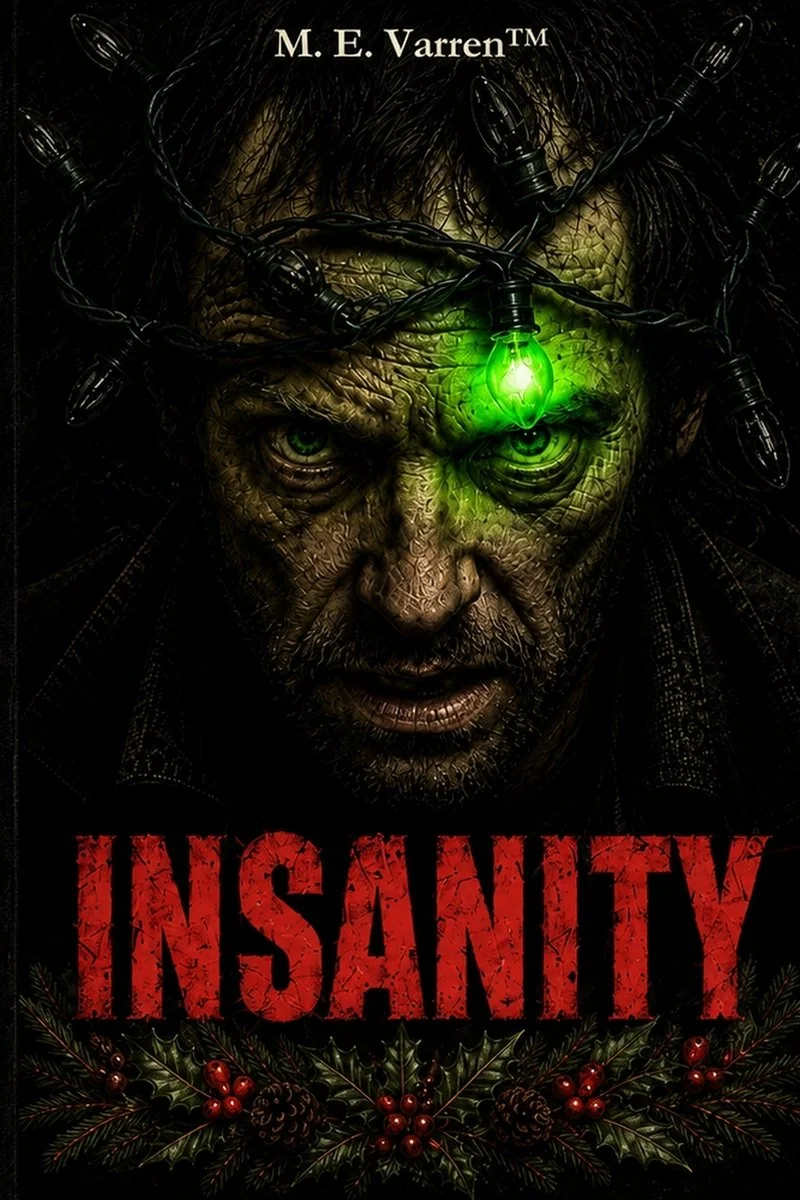
Varren constructs a tight narrative where Dorian Rook’s twenty-two-year isolation becomes central. Wren enters this world of Saint Orison's church to find facts, not miracles. She discovers that the single green bulb surviving a Christmas fire is not a miracle but a clue. The custodian’s disappearance beneath the floorboards leads her to sealed records. These documents prove Dorian was right about the number of buried bodies. The storm trapping hundreds inside creates a pressure cooker for truth. Wren realizes her father’s certainty consumed their family, yet his warnings hold weight. The story does not absolve him but validates his observations. It asks if being right matters when no one believes you.
Set in the fictional town of Bellwether, the book engages with American small-town gothic traditions. It utilizes the annual Christmas Vigil as a structural device to trap characters together. The narrative draws on themes of religious architecture and familial estrangement common in supernatural fiction.


📝 Description: Insanity
💎 Our verdict on Insanity
📖 Why choose it
Why this book is worth reading
This book is for readers who enjoy atmospheric mystery and psychological tension rooted in specific local lore. It appeals to those interested in the intersection of grief and supernatural phenomena, offering a narrative that examines how communities protect lies through collective denial. The story suits individuals willing to engage with deliberate pacing rather than seeking fast-paced action or clear resolutions. Readers will find value in the exploration of whether being right matters when no one believes you, particularly as the protagonist navigates a world where truth conflicts with reputation. It offers a rigorous look at suppressed family secrets and the weight of historical accuracy within a confined, storm-trapped environment.
⭐ Reader reviews
Reader rating
M E Varren constructs a tight narrative around Dorian Rook’s isolation, using Saint Orison's church as a pressure cooker for truth. The story draws effectively on gothic traditions of haunted architecture and suppressed family secrets. It examines how communities protect lies through collective denial, creating an atmosphere where the storm traps hundreds inside alongside the mystery. Varren structures the plot around the tension between Dorian’s certainty and Wren’s skepticism, avoiding easy answers about innocence or guilt. The text does not absolve the father but validates his observations, asking if truth matters more than reputation. This approach suits readers seeking psychological depth over action, resulting in a compelling examination of grief and supernatural phenomena.
📖 Read on the blog
🏛 Books from this publisher Independently Published








You might also like
See more →
Have a question about this item?
Ask about the edition, condition, delivery or anything else — we reply by email or phone, usually within a day.
