Inkarna
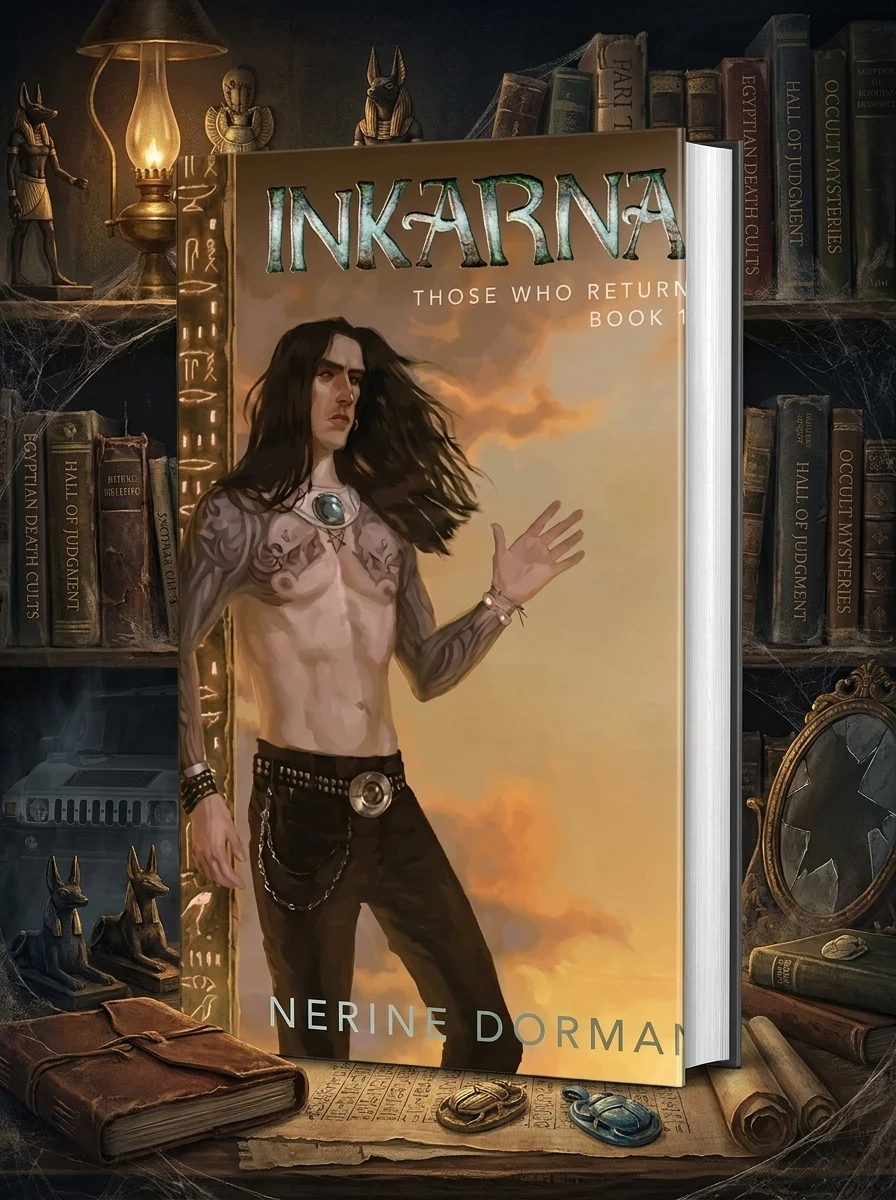
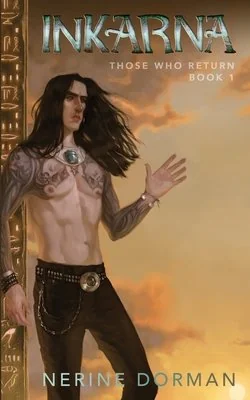
A woman wakes in a dead man's body after joining an Egyptian reincarnation cult.
Lizzie dies and joins a cult focused on ancient Egyptian beliefs. She returns to find her husband but lands in Ashton Kennedy’s body. The previous owner of that body was killed by a vehicle. Lizzie must deal with the mess left behind while searching for answers about her past life. The narrative explores how eternal enemies complicate the cycle of death and rebirth. Secrets remain buried despite the supernatural circumstances. Dorman uses these elements to create a story about identity and consequence.
The work engages with ancient Egyptian religious concepts, specifically the Hall of Judgment and reincarnation cycles. It blends these traditional spiritual frameworks with modern supernatural fiction tropes. The setting implies a contemporary world where ancient beliefs persist through secret societies.


📝 Description: Inkarna
💎 Our verdict on Inkarna
📖 Why choose it
Why this book is worth reading
Readers fascinated by supernatural fiction that intertwines ancient mythology with modern psychological thriller elements will find this book compelling. It offers a unique exploration of identity through the lens of reincarnation, where the protagonist navigates the disorientation of inhabiting a dead man’s body. Those who enjoy stories about cults, hidden secrets, and the consequences of past lives will appreciate the moral ambiguities presented. The narrative does not provide easy answers, instead focusing on the tension between memory and present reality. It is ideal for those seeking a dark, atmospheric tale that questions the finality of death and the persistence of eternal conflicts across lifetimes.
⭐ Reader reviews
Reader rating
Dorman constructs a tense atmosphere by placing a female consciousness into a male corpse, immediately establishing a visceral dissonance. The story effectively uses the mechanics of an Egyptian reincarnation cult to drive a mystery regarding identity and unresolved past-life grievances. While the premise is intriguing, the execution leans heavily on internal struggle rather than external action. The tone remains consistently dark, avoiding light romance or traditional historical accuracy in favor of supernatural consequence. It suits readers who prefer psychological depth over plot-heavy thrills. The exploration of eternal enemies adds a layer of cosmic horror that elevates the narrative above standard ghost stories, making it a solid choice for fans of complex, morally gray supernatural fiction.