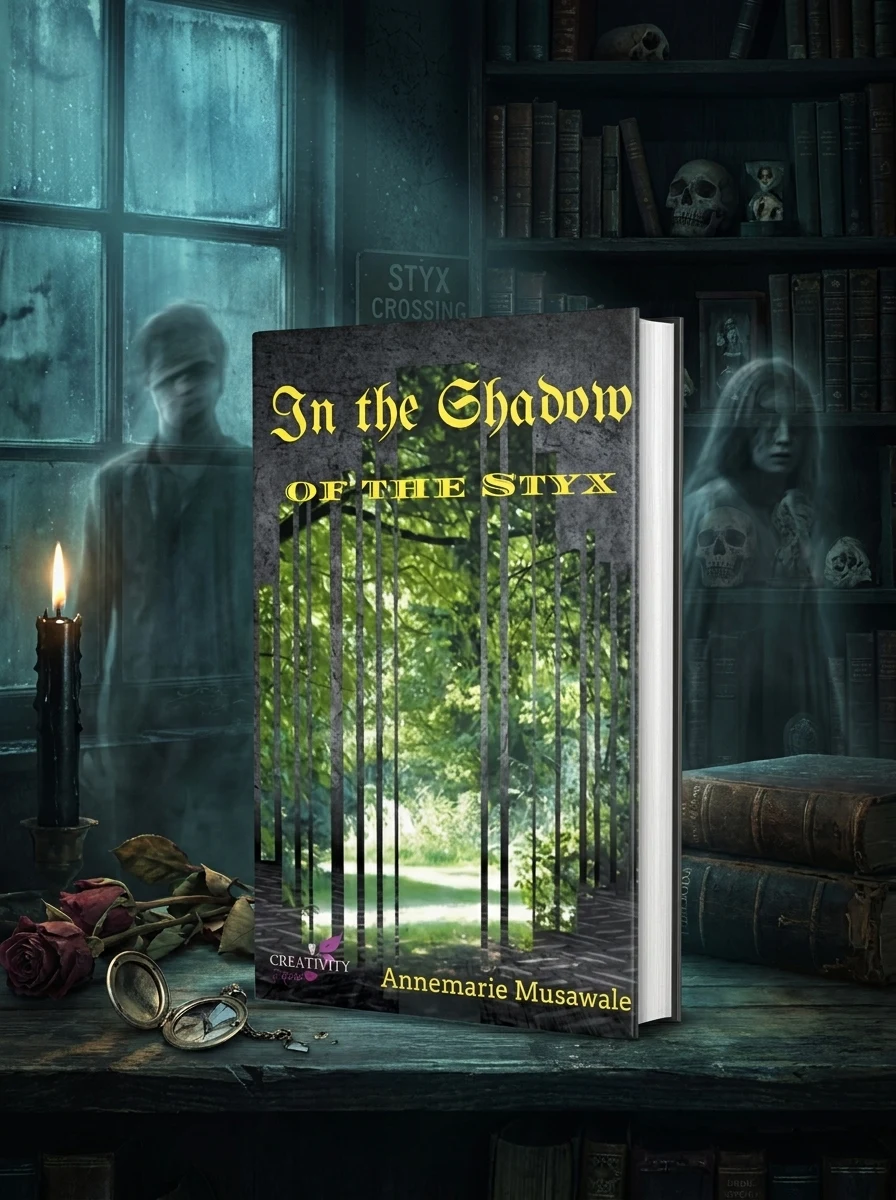

In the Shadow of the Styx
A tale of two lovers navigating the bureaucratic rules of the afterlife together.
Phil and Lillian die moments after celebrating their future, forcing them to adjust to a strange new reality. Musawale writes about their struggle to understand post-death society and find its leaders. The narrative follows their attempts to fit in while maintaining their bond. This approach highlights the absurdity of spiritual existence through their eyes. The story avoids standard horror tropes, focusing instead on the interpersonal dynamics of two people facing eternity. The inclusion of an updated outtake provides further depth to their experience. Readers looking for a unique take on the supernatural will find this work distinct. It offers a fresh perspective on love and loss within a fictional framework.
Published by Creativity Defined in 2017, this work fits into the genre of supernatural fiction. It draws on gothic traditions to explore themes of death and the afterlife. The book addresses the human condition through a lens of mystery and spiritual uncertainty.


📝 Description: In the Shadow of the Styx
💎 Our verdict on In the Shadow of the Styx
📖 Why choose it
Why this book is worth reading
Readers seeking a unique take on the supernatural will find this work distinct, particularly those who enjoy character-driven plots within mysterious settings. It appeals to audiences interested in gothic themes and spiritual bureaucracy, offering a fresh perspective on love and loss. Those who prefer interpersonal dynamics over graphic violence or traditional horror tropes will appreciate the focus on emotional adaptation. The narrative provides insight into the absurdity of spiritual existence through the eyes of two lovers navigating eternity together, making it ideal for fans of dark fantasy that prioritizes social structure and relationship resilience over physical terror.
⭐ Reader reviews
Reader rating
Musawale presents a compelling narrative centered on Phil and Lillian, exploring their struggle to adjust to post-death society. The book excels in highlighting the absurdity of spiritual bureaucracy through intimate interpersonal dynamics rather than conventional horror elements. By avoiding standard tropes, it offers a fresh perspective on love, loss, and eternity. This approach suits readers who enjoy gothic themes and supernatural fiction grounded in character development. It may not appeal to those seeking traditional horror or graphic violence, as the focus remains on social and emotional aspects. The inclusion of an updated outtake adds depth to their journey, making it a distinct choice for fans of speculative fiction that values emotional resonance over terror.
You might also like
See more →







Have a question about this item?
Ask about the edition, condition, delivery or anything else — we reply by email or phone, usually within a day.
