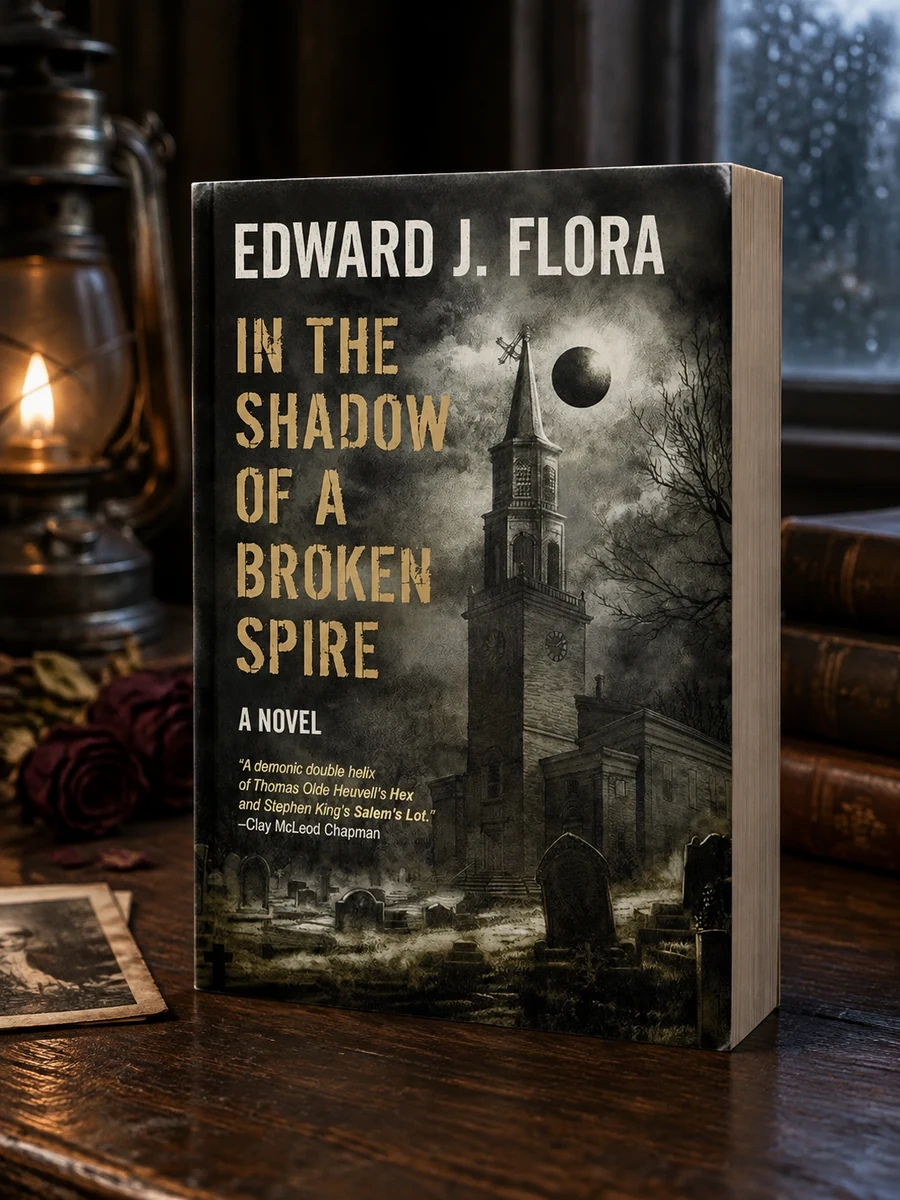
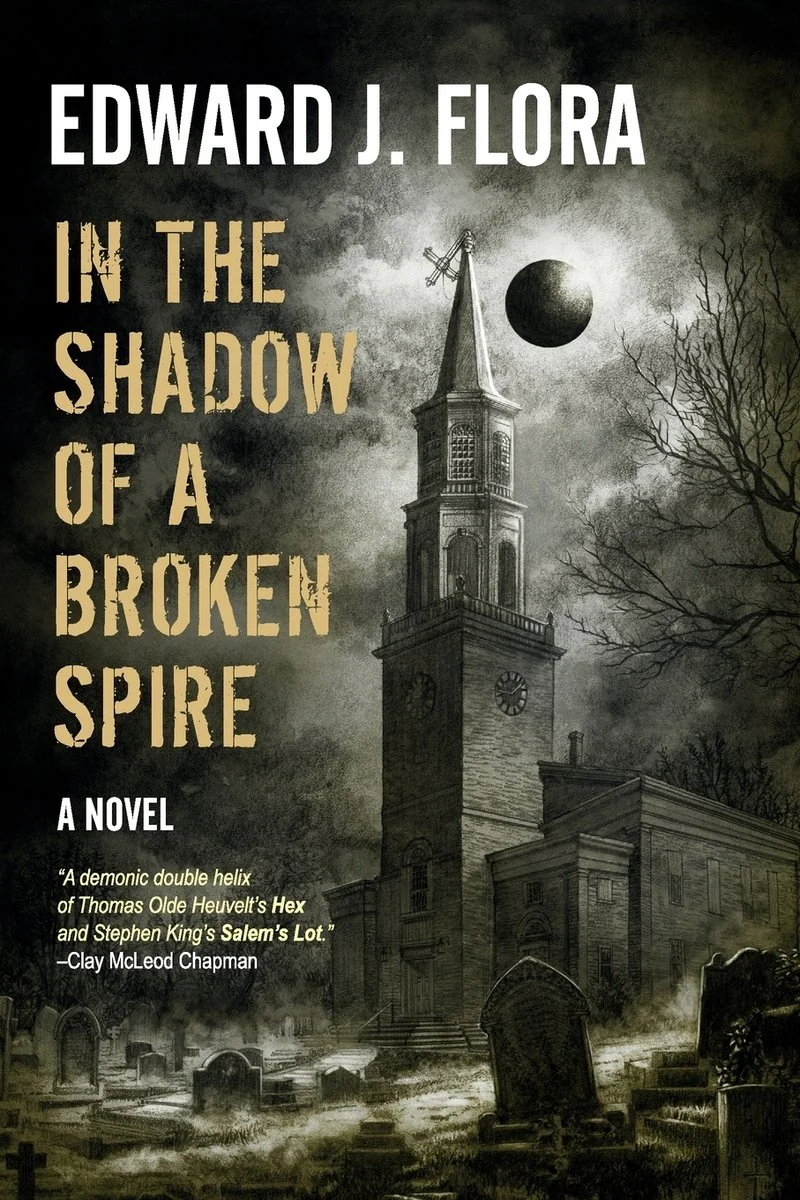
In The Shadow Of A Broken Spire
A small town's fear turns to mob violence after a student's murder reveals old witch-hunt secrets.
Flora examines how a single violent event can reactivate historical traumas within an isolated community. The narrative focuses on the psychological shift from grief to accusation, specifically targeting Stuart Reinhart and the perceived immorality of his teaching materials. By linking the present-day panic to the beating heart of a witch from Blair's history, the story illustrates how communities repeat their worst impulses when faced with uncertainty. Jaycie Brogdon’s personal struggle mirrors the broader societal collapse, showing that the real horror lies in the neighbors' willingness to destroy each other rather than the unknown killer.
This work sits within the American small-town horror tradition, drawing on gothic elements and historical witch trials. It reflects a contemporary anxiety about community cohesion and the ease with which fear can revive past injustices in modern settings.


📝 Description: In The Shadow Of A Broken Spire
💎 Our verdict on In The Shadow Of A Broken Spire
📖 Why choose it
Why this book is worth reading
Readers who appreciate atmospheric tales of collective paranoia and the lingering power of past injustices will find this narrative compelling. The book is particularly suited for those interested in literary horror that dissects the dark undercurrents of community life, focusing on how historical traumas reactivate during moments of crisis. It offers a nuanced exploration of psychological tension rather than immediate thrills, making it ideal for audiences who enjoy watching the slow unraveling of trust and the cyclical nature of hysteria in isolated groups. Those seeking to understand how grief can shift into accusation and violence will gain insight into the destructive impulses hidden within seemingly peaceful societies.
⭐ Reader reviews
Reader rating
Flora delivers a chilling exploration of how a single violent event can shatter community peace, focusing on the psychological shift from grief to mob violence. The narrative effectively links present-day panic to historical scapegoating, illustrating how fear dismantles social cohesion. While it lacks fast-paced action or clear resolutions, its strength lies in examining collective paranoia and historical echoes. This approach suits fans of literary horror who prefer deep psychological tension over immediate thrills. The story highlights the cyclical nature of hysteria, showing how blame shifts inward until residents turn on each other. It is a thoughtful, if slow-burning, examination of the neighbors' willingness to destroy one another rather than an unknown killer.
You might also like
See more →







Have a question about this item?
Ask about the edition, condition, delivery or anything else — we reply by email or phone, usually within a day.
