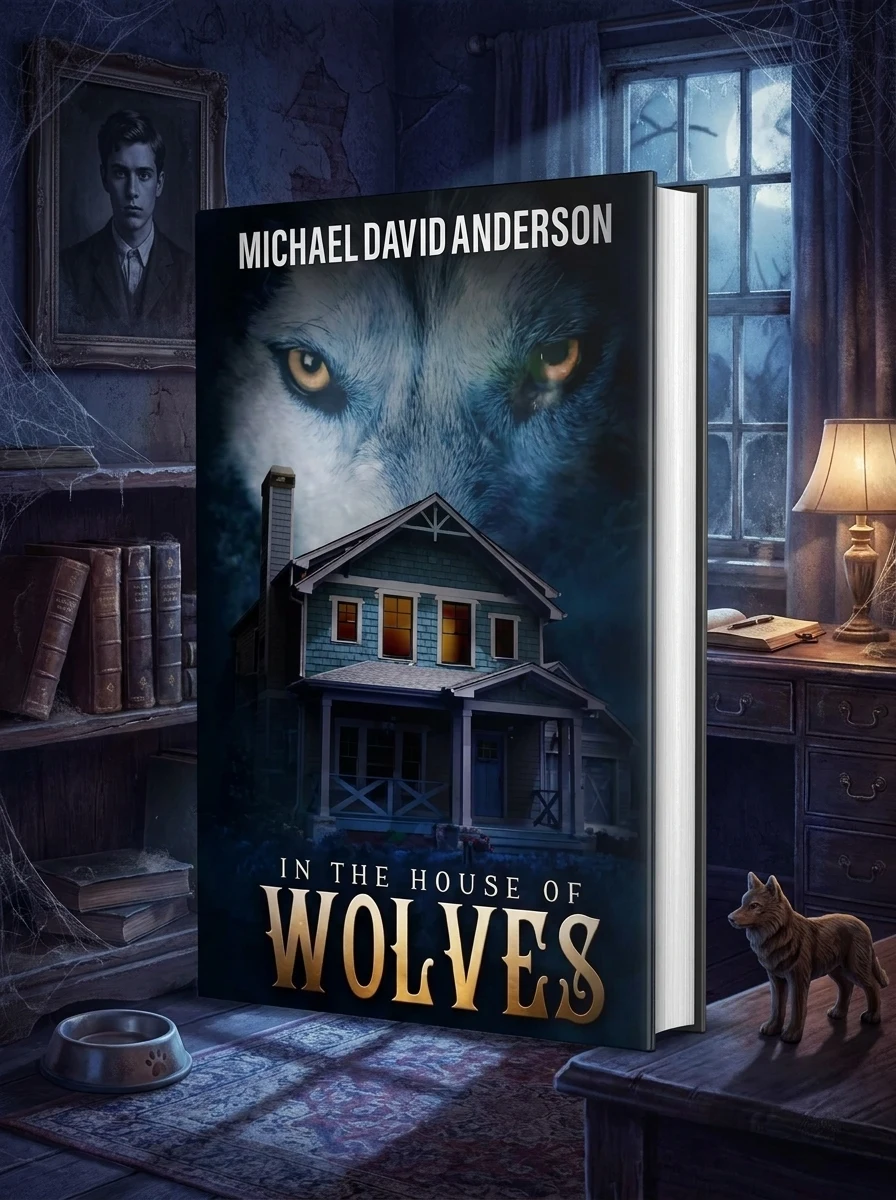
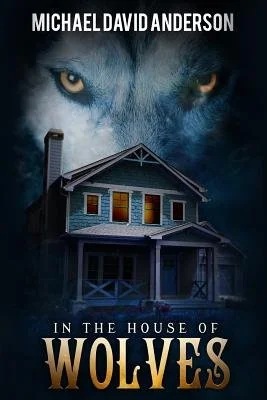
In the House of Wolves
A mother returns from an institution to find her home haunted by unexplained phenomena.
The narrative follows Samantha Wolf as she attempts to reclaim her life after a six-month stay in an institution. Her husband Stephen has been living alone in their new residence with only the dog Merlyn for company. The house holds a dark past that seems to awaken upon Samantha's return. She experiences strange occurrences that challenge her understanding of reality. The story explores themes of grief, memory loss, and the fragility of domestic safety. Anderson uses the setting to amplify the sense of isolation and dread. The plot focuses on the psychological unraveling of the characters as they face an unseen threat. It is a study of how trauma can manifest in physical spaces.
This 2017 release by Createspace Independent Publishing Platform fits within the modern independent horror genre. It appeals to American readers interested in gothic fiction and supernatural tales centered on domestic settings.


📝 Description: In the House of Wolves
💎 Our verdict on In the House of Wolves
📖 Why choose it
Why this book is worth reading
Readers who appreciate slow-burn atmospheric horror and deep dives into family trauma will find this narrative compelling. The book offers a study on how grief and memory loss can fracture domestic safety, appealing to those who prefer tension over shock. It suits audiences interested in the intersection of psychological unraveling and supernatural dread. Those who enjoy exploring the fragility of reality through a gothic lens will gain from its deliberate pacing. It is ideal for fans of stories where the setting amplifies isolation and where unexplained phenomena challenge the protagonist's understanding of the world.
⭐ Reader reviews
Reader rating
Anderson effectively constructs a tale of psychological dread, leveraging the familiar yet terrifying trope of the haunted home to explore deeper themes of grief and memory loss. The narrative excels in building an atmosphere of isolation, making the house itself feel like an active antagonist. While the pacing is deliberate and may not suit those seeking fast-paced action or explicit gore, it successfully engages readers through sustained tension rather than sudden shocks. The focus on the psychological unraveling of characters facing an unseen threat provides a compelling, albeit unsettling, reading experience that highlights the dark potential within domestic spaces.