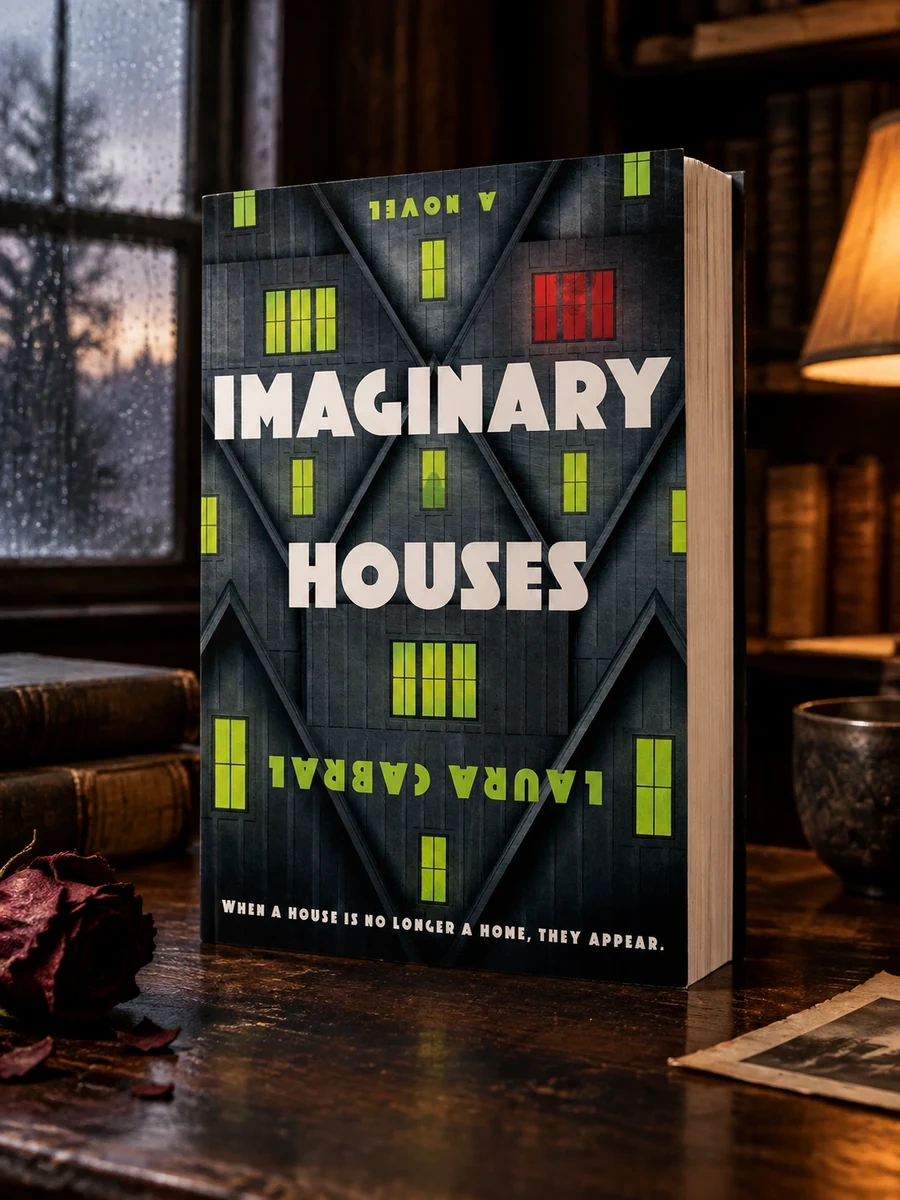
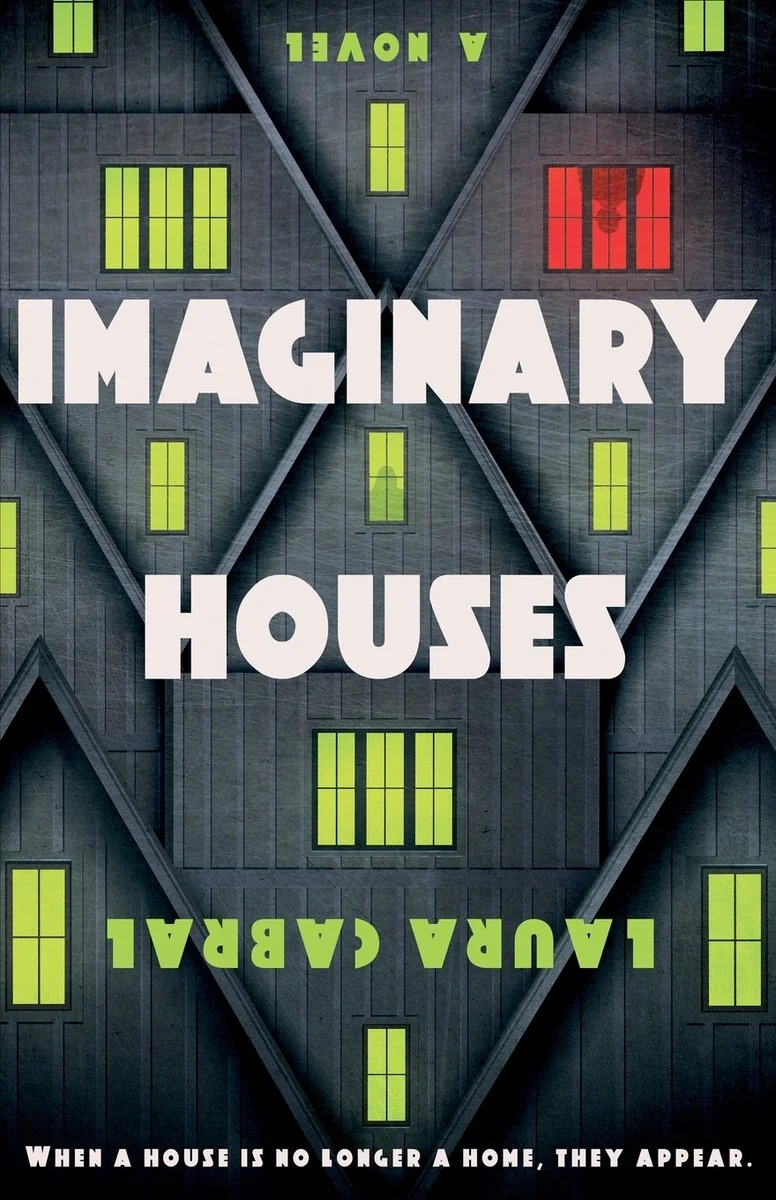
Imaginary Houses
A graduate student hunts a painting series that mirrors her traumatic past.
Stephanie’s journey begins with a childhood encounter involving a flayed man before her family’s financial collapse. Later, as an art history student, she identifies this figure in the Imaginary Houses paintings. Her search for the artist leads her through museums and abandoned spaces where physical laws break down. Doors open where they should not, and architectural plans change without warning. Twisted beings pursue her throughout these locations. The artist’s biography mirrors Stephanie’s own experiences closely. She believes the paintings contain answers about her past. The entities want something specific from her. The price for these answers remains unclear but potentially high.
Published in 2025 by Forest for the Trees, this novel sits within contemporary horror fiction. It blends art history with supernatural elements. The story reflects anxieties surrounding the financial crisis and domestic loss. Cabral uses the Imaginary Houses paintings as a central narrative device to explore these themes.


📝 Description: Imaginary Houses
💎 Our verdict on Imaginary Houses
📖 Why choose it
Why this book is worth reading
Readers seeking a slow-burn narrative grounded in academic pursuits will find this text rewarding. Those interested in the intersection of art history and personal trauma will appreciate the thematic depth. The book offers a unique exploration of how past horrors manifest in present realities through architectural anomalies. It is ideal for audiences who prefer atmospheric tension over rapid action. Fans of psychological horror that challenges perception and identity will engage with the protagonist's obsessive investigation. The work appeals to those who enjoy stories where the environment itself becomes hostile and unpredictable. It provides a sophisticated look at how financial collapse can trigger supernatural consequences.
⭐ Reader reviews
Reader rating
Cabral crafts a compelling narrative where art history serves as a gateway to psychological terror. The protagonist’s pursuit of the Imaginary Houses series drives a tense investigation into her own traumatic past. The shifting architecture and impossible doors create a palpable sense of unease, effectively blending real-world galleries with hostile supernatural spaces. The parallel between the artist and Stephanie adds layers of mystery without revealing answers. This approach suits readers who appreciate atmospheric dread and intellectual horror over visceral shock. It avoids traditional jump scares in favor of creeping paranoia. The focus on financial instability grounds the supernatural elements in relatable anxiety. While not for those seeking fast-paced action, it offers a rich, unsettling experience for dedicated horror enthusiasts.
You might also like
See more →







Have a question about this item?
Ask about the edition, condition, delivery or anything else — we reply by email or phone, usually within a day.
