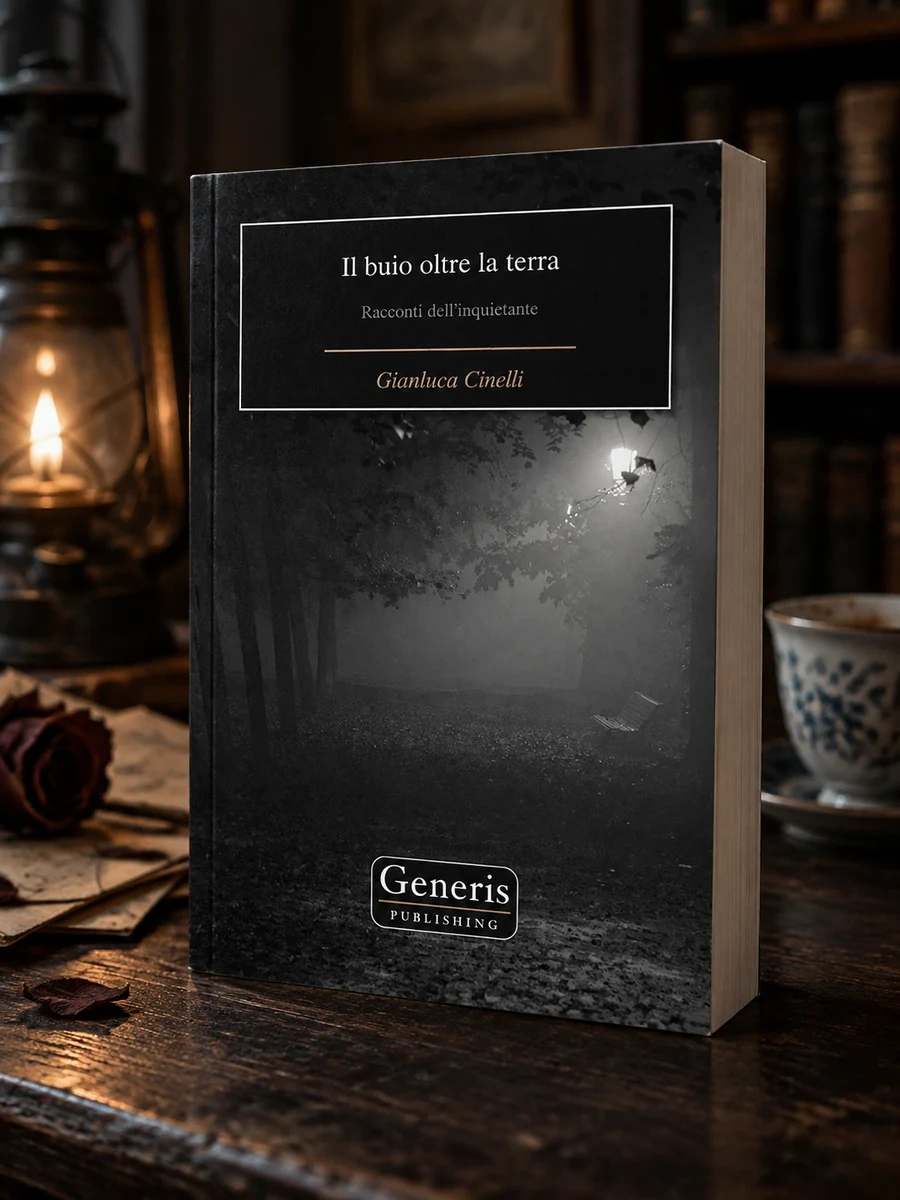
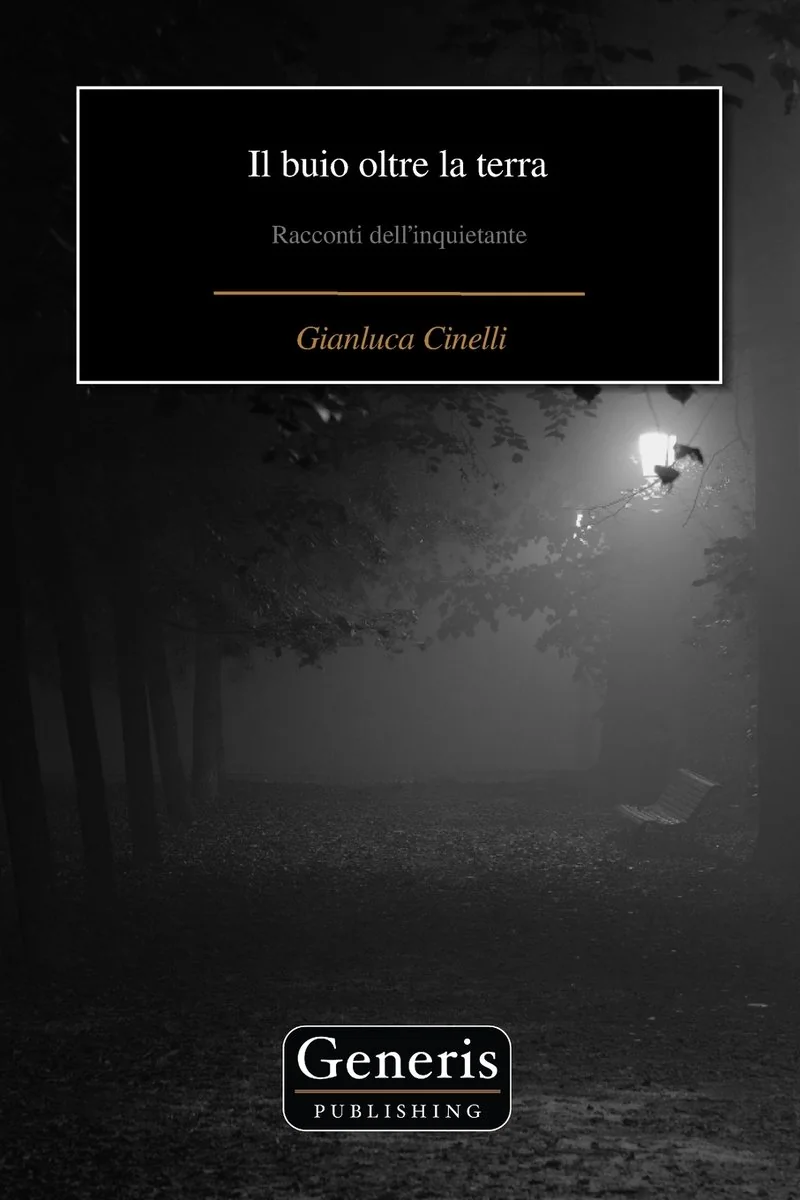
Il buio oltre la terra: Racconti dell'inquietante
Psychiatrist Uwe Reinhardt recounts ten tales of the uncanny and psychological horror.
The narrative frames reality as a two-sided mirror. Characters accustomed to clarity see only fragments of darkness when imagination overrides logic. Cinelli uses the perspective of a medical professional to lend credibility to the bizarre. The stories do not rely on external monsters but on internal states manifesting in the physical world. This approach aligns with classic traditions of horror that prioritize atmosphere over action. The focus remains on the psychological impact of encountering the unknown.
This work sits within the Italian tradition of supernatural fiction, published by Bayshop under Generis Publishing. It engages with gothic themes of ruins and foggy landscapes, reflecting a European sensibility toward the uncanny that emphasizes psychological depth over visceral gore.


📝 Description: Il buio oltre la terra: Racconti dell'inquietante
💎 Our verdict on Il buio oltre la terra: Racconti dell'inquietante
📖 Why choose it
Why this book is worth reading
Readers who appreciate the slow, creeping dread of psychological horror will find this collection deeply rewarding. It appeals to those fascinated by the fragility of human perception and how logic dissolves when confronted with the inexplicable. The book is ideal for audiences who enjoy narratives where the monster is not external but a manifestation of internal desires and fears. By framing these tales through the lens of a psychiatrist, Cinelli offers a credible yet disturbing exploration of the uncanny. It suits readers willing to abandon rational explanations in favor of atmospheric immersion, allowing them to experience the disorientation of losing orientation in a world where the familiar becomes alien.
⭐ Reader reviews
Reader rating
Cinelli successfully constructs an unsettling atmosphere by relying on vignettes rather than complex plots, prioritizing mood over resolution. The use of psychiatrist Uwe Reinhardt as a narrator lends a chilling credibility to the bizarre events described. The collection excels in depicting how imagination overrides logic, creating horror from within rather than through external threats. This approach aligns well with classic gothic traditions that value psychological impact above all else. While it may frustrate readers seeking straightforward rational explanations, it offers a profound look at how the mind constructs its own nightmares. The emphasis on personal fears taking physical shape makes this a compelling study of the uncanny for those who enjoy losing themselves in dark, ambiguous landscapes.
You might also like
See more →



Have a question about this item?
Ask about the edition, condition, delivery or anything else — we reply by email or phone, usually within a day.
