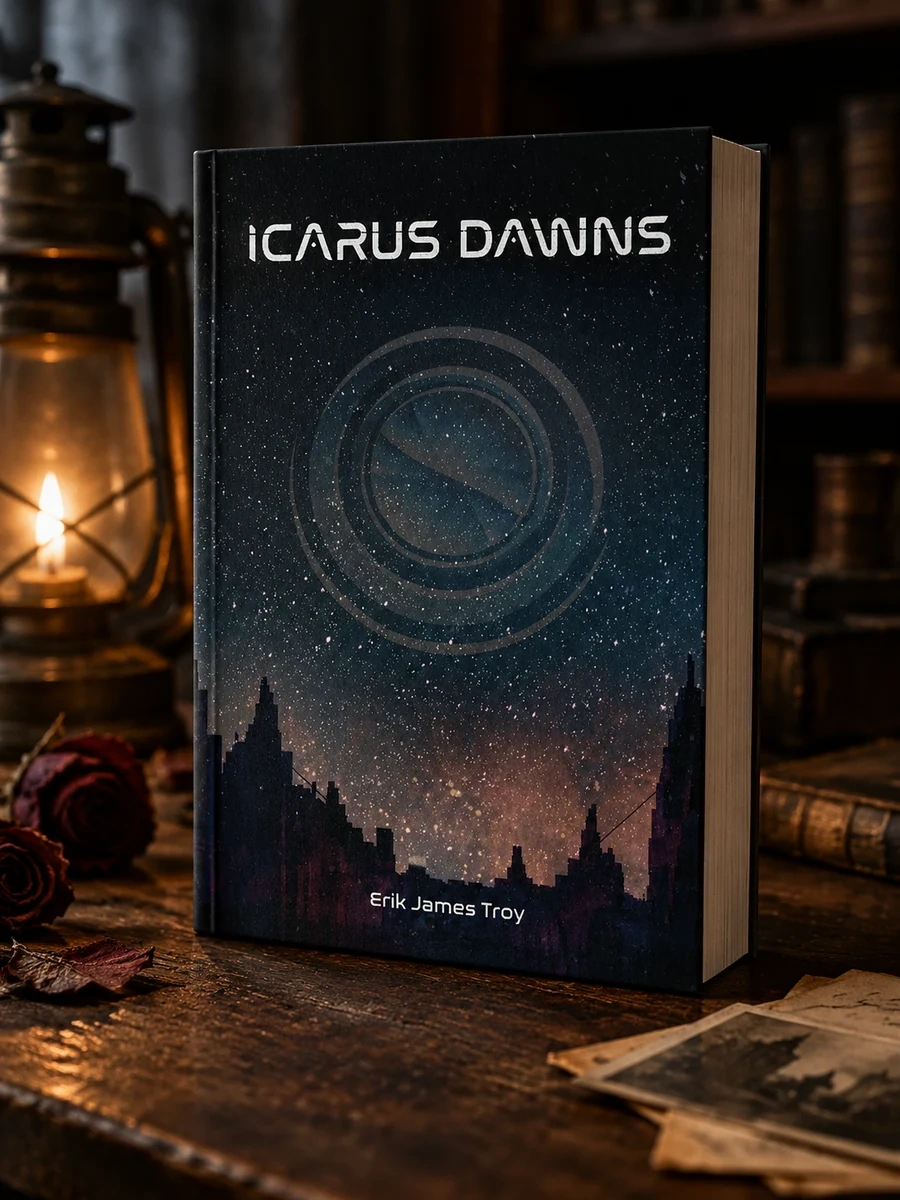
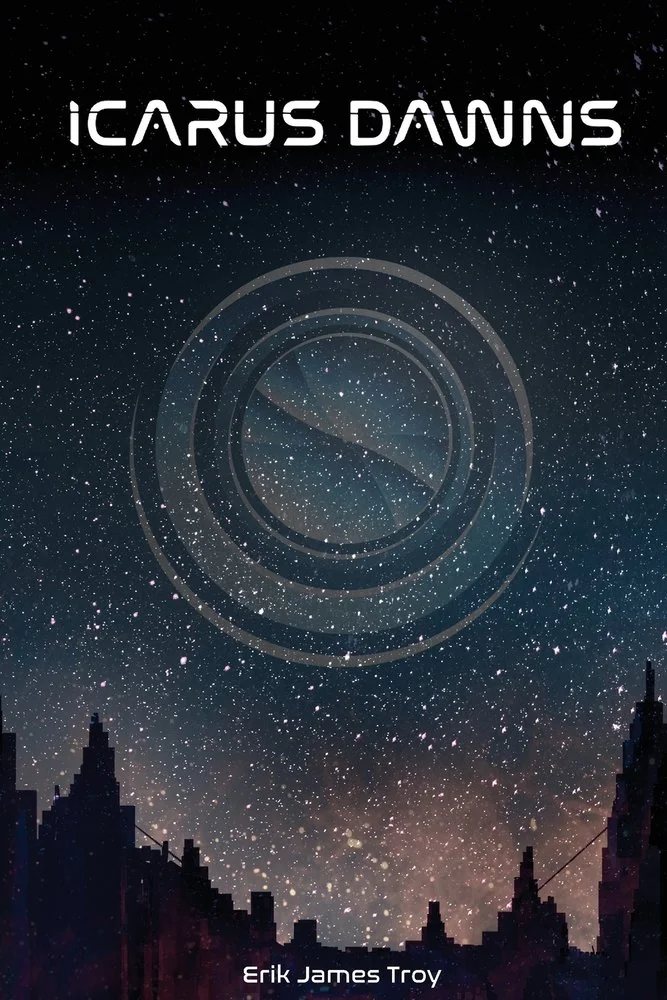
Icarus Dawns
A scientist leads a team to Earth to revive lost technologies and uncover dark history.
The narrative follows Elizabeth Lawrence as she directs efforts to terraform a lifeless planet by retrieving data from Earth’s past. Her journey takes her deep under the American Midwest’s ice, where she encounters the remnants of humanity’s final days. The story balances technical recovery with emotional introspection, highlighting how ancient agony influences present decisions. Troy uses this setting to explore themes of trust and heroism without relying on typical sci-fi tropes. The focus stays tightly on Lawrence’s perspective as she pieces together fragments of a broken civilization. This approach creates a somber atmosphere that reflects the gravity of their mission.
Set in 525 AE, the story addresses the aftermath of Earth's destruction. It explores how survivors cope with extinction by returning to their origin point. The narrative reflects on cultural memory and the burden of preserving history for future generations.


📝 Description: Icarus Dawns
💎 Our verdict on Icarus Dawns
📖 Why choose it
Why this book is worth reading
Readers seeking atmospheric depth over adrenaline will find this narrative compelling. It appeals to those interested in the psychological weight of history and the ethical dilemmas inherent in revival efforts. The book offers a unique perspective for fans of slow-burn horror who enjoy technical recovery stories grounded in emotional introspection. Those who appreciate character-driven plots that examine trust and heroism amidst broken civilizations will gain significant resonance from Elizabeth Lawrence’s journey. It is ideal for audiences willing to engage with somber, gravity-laden themes rather than seeking fast-paced action sequences.
⭐ Reader reviews
Reader rating
Erik Troy crafts a somber, introspective experience that prioritizes discovery over spectacle. The narrative effectively balances technical recovery with the emotional burden of uncovering humanity's darkest hour beneath the ice. By focusing tightly on Lawrence’s internal journey, Troy creates a tense atmosphere where scientific ambition clashes with historical trauma. This approach suits readers who enjoy speculative fiction that examines the psychological impact of lost cultures. While not for those craving rapid action, the book delivers a powerful exploration of trust and agony. It stands as a thoughtful meditation on survival and memory within the horror genre.
You might also like
See more →





Have a question about this item?
Ask about the edition, condition, delivery or anything else — we reply by email or phone, usually within a day.
