Hunting Sarah
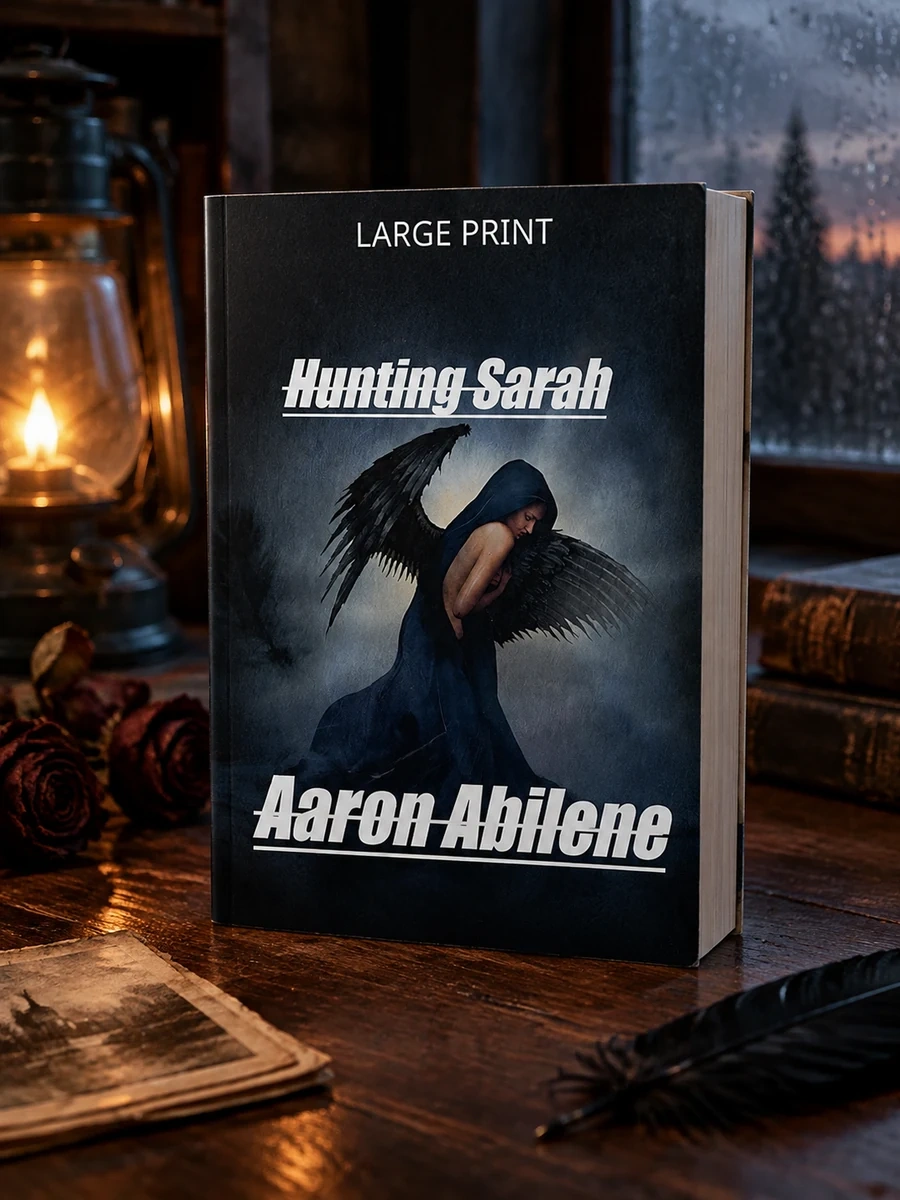
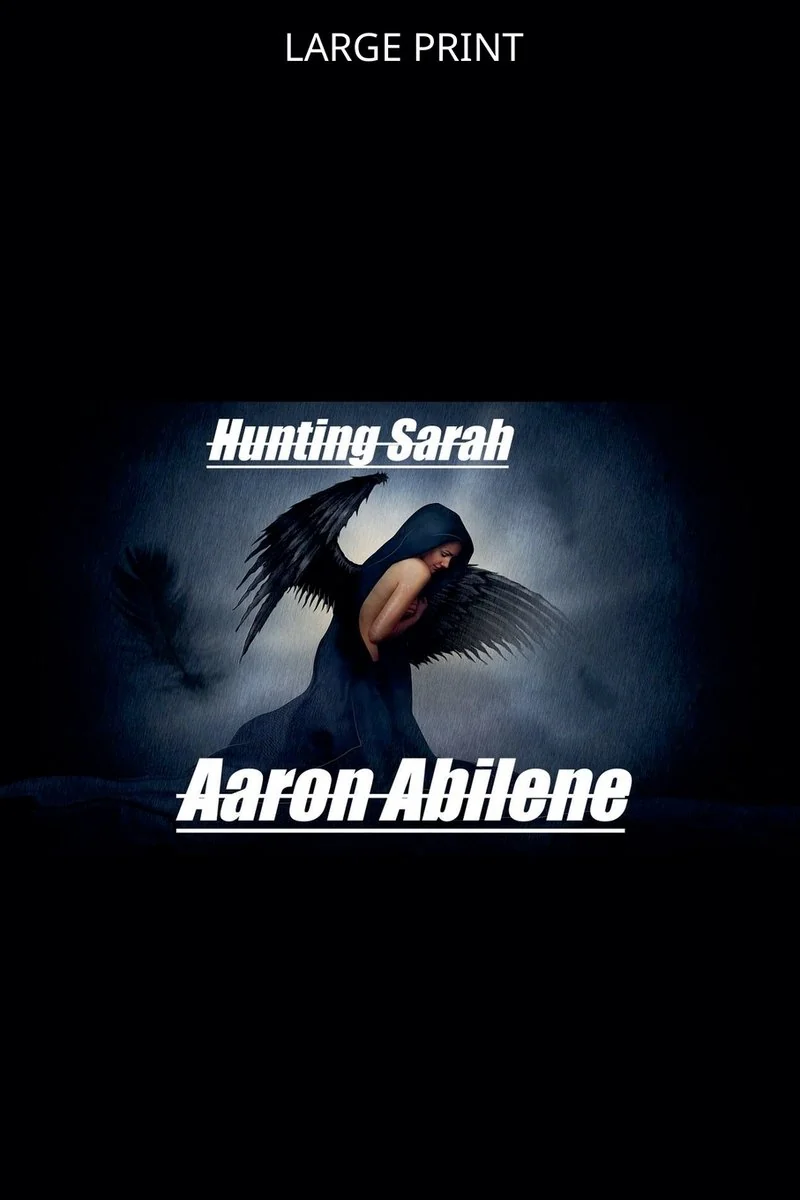
A woman claims angelic status in Colorado while being hunted by a man.
The story follows a female protagonist who enters a quiet Colorado community with extraordinary claims. She identifies herself as an angel and a close friend of Jesus, tasked with a specific mission on earth. Her primary conflict involves evading a male pursuer who threatens her existence. The local population interprets her behavior through a lens of clinical diagnosis rather than spiritual significance. They label her a drug addict or mentally ill individual. This disconnect creates a chilling atmosphere where truth is obscured by prejudice. Abilene uses this premise to examine how society treats those who deviate from normalcy. The narrative does not confirm her divinity but focuses on the consequences of her belief.
Published in 2024 by Syphon Creative, this work sits within contemporary American horror fiction. It engages with modern interpretations of angelic lore and mental health discourse. The setting in Colorado grounds the supernatural elements in a recognizable US landscape.


📝 Description: Hunting Sarah
💎 Our verdict on Hunting Sarah
📖 Why choose it
Why this book is worth reading
Readers interested in the intersection of faith and mental health will find this narrative compelling. It appeals to those who enjoy atmospheric dread over explicit violence. The book offers a profound examination of how society treats deviance. Those who appreciate ambiguity and character-driven tension will gain from its exploration of isolation. It is suitable for fans of psychological horror who prefer intellectual engagement over jump scares. The story challenges the reader to consider the cost of disbelief. It provides a chilling look at the consequences of being unheard. This work rewards patience and attention to subtle psychological cues.
⭐ Reader reviews
Reader rating
Abilene crafts a tense atmosphere where the terror stems from social rejection rather than supernatural spectacle. The narrative effectively utilizes the stark Colorado setting to amplify the protagonist's isolation. By refusing to confirm the angelic claims, the text maintains a crucial ambiguity that sustains psychological pressure. This approach suits readers who enjoy gothic traditions and complex character studies. It may frustrate those seeking clear resolutions or straightforward horror tropes. The focus on clinical diagnosis versus spiritual truth creates a unique intellectual hook. The lack of explicit violence forces reliance on atmospheric dread, which is handled with precision. Ultimately, the book succeeds in its goal to examine societal prejudice through a lens of supernatural uncertainty.