Hungry Things
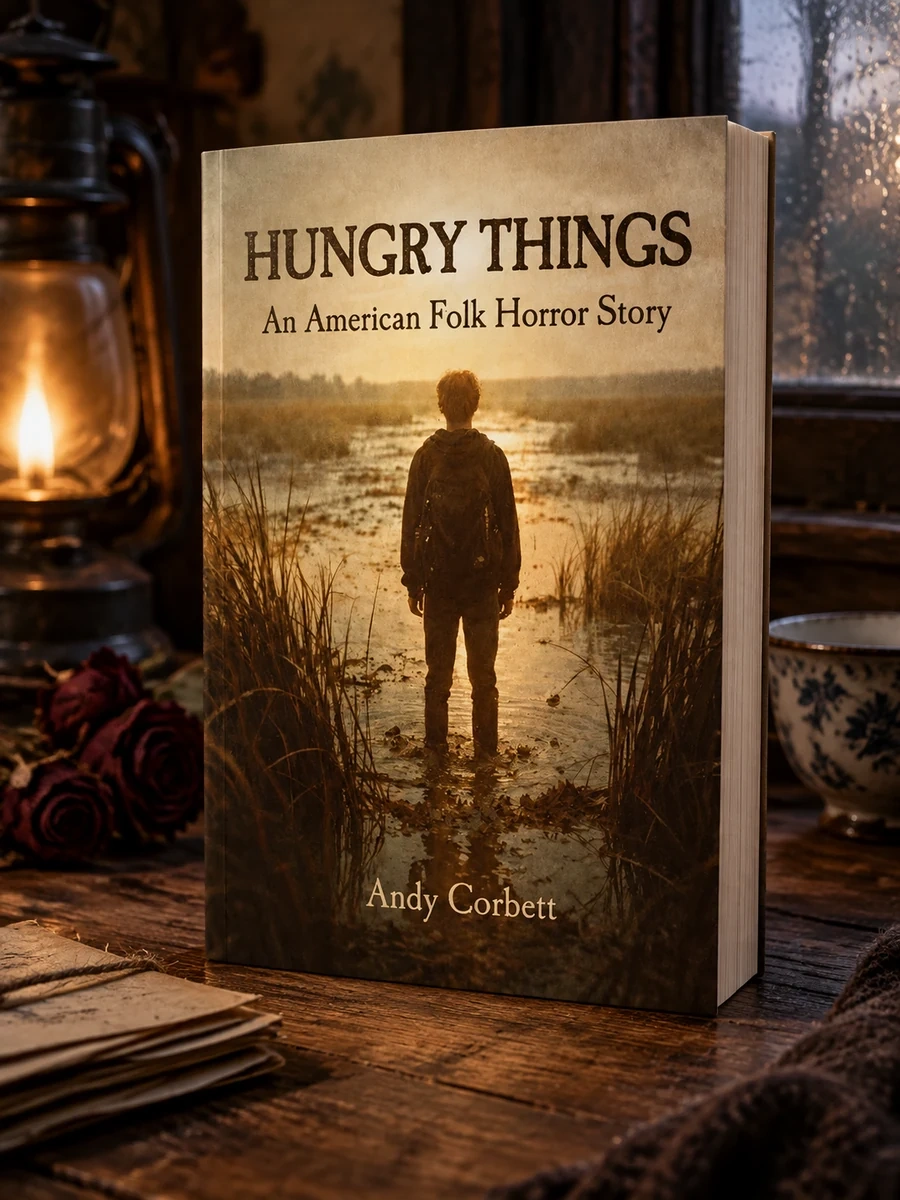
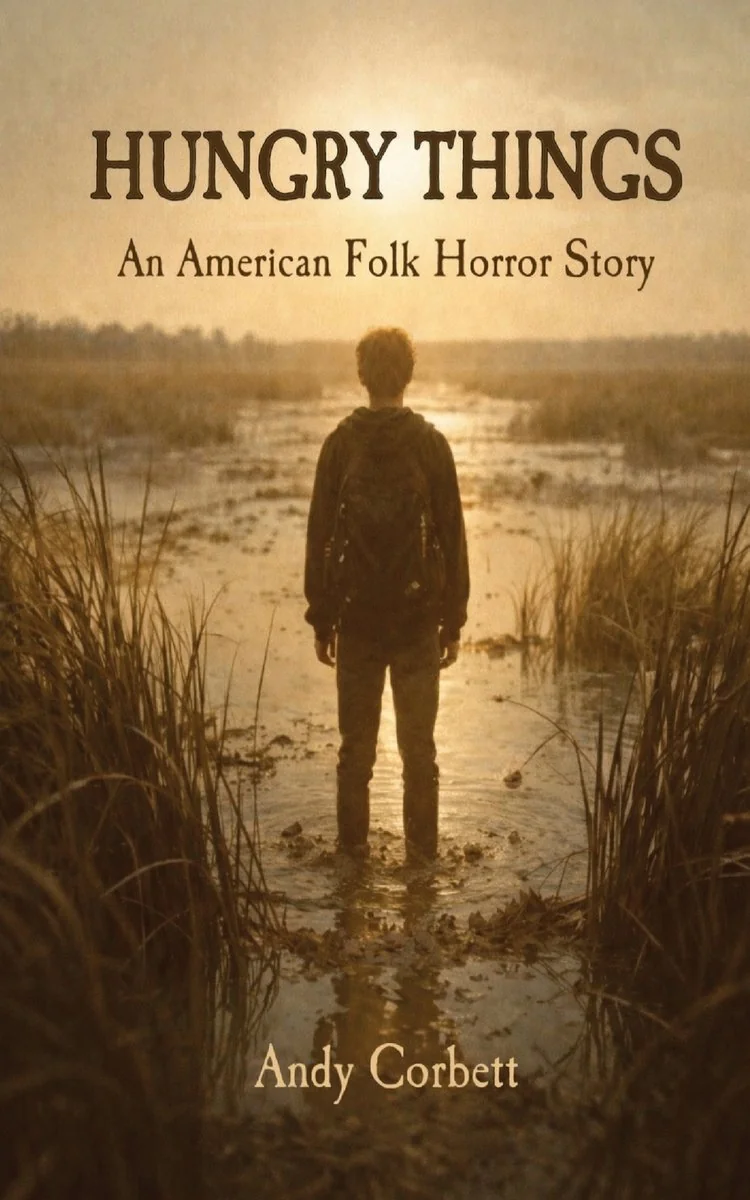
A folk horror novel about ritual sacrifice in Virginia's salt marshes.
The narrative follows the isolated community of Poquoson, where ancient cycles dictate daily life. Corbett illustrates how locals enforce silence and obedience to appease a land that demands offerings. The story highlights the burden of inheritance and the difficult choices required to maintain communal safety. Outsiders quickly sense the underlying danger, while residents accept loss as a necessary price for existence. The text focuses on the psychological weight of these traditions rather than external threats.
The book is set in Poquoson, eastern Virginia, an area named by Algonquian speakers for its Great Salt Marshes. The setting emphasizes the ancient landscape shaped by tide cycles and the specific cultural traditions of this isolated coastal community.


📝 Description: Hungry Things
💎 Our verdict on Hungry Things
📖 Why choose it
Why this book is worth reading
Readers who prioritize atmospheric depth and psychological weight over action will find this novel rewarding. It appeals to those interested in how isolation shapes belief systems and communal guilt. The book offers a chilling examination of the burden of inheritance and the difficult choices required to maintain safety within a closed society. Those who enjoy stories where nature operates as a set of unyielding rules rather than mere scenery will appreciate Corbett’s focus on the psychological toll of tradition. It is ideal for audiences seeking ambiguity and a slow-burning tension rooted in place, rather than clear moral distinctions or fast-paced thrills.
⭐ Reader reviews
Reader rating
Corbett delivers a meticulously crafted study of communal complicity and the psychological weight of history. The novel excels in portraying how ancient cycles dictate daily life, forcing residents to accept loss as a necessary price for existence. By focusing on the tension between outsiders and locals, the text highlights the pervasive force demanding offerings without resorting to external threats or beastly imagery. This approach creates a chilling atmosphere where silence and obedience are paramount. The work is best suited for readers who appreciate folk horror’s emphasis on place and tradition. It offers a nuanced look at survival, making it a compelling choice for those who enjoy ambiguous narratives that linger in the mind long after the final page.