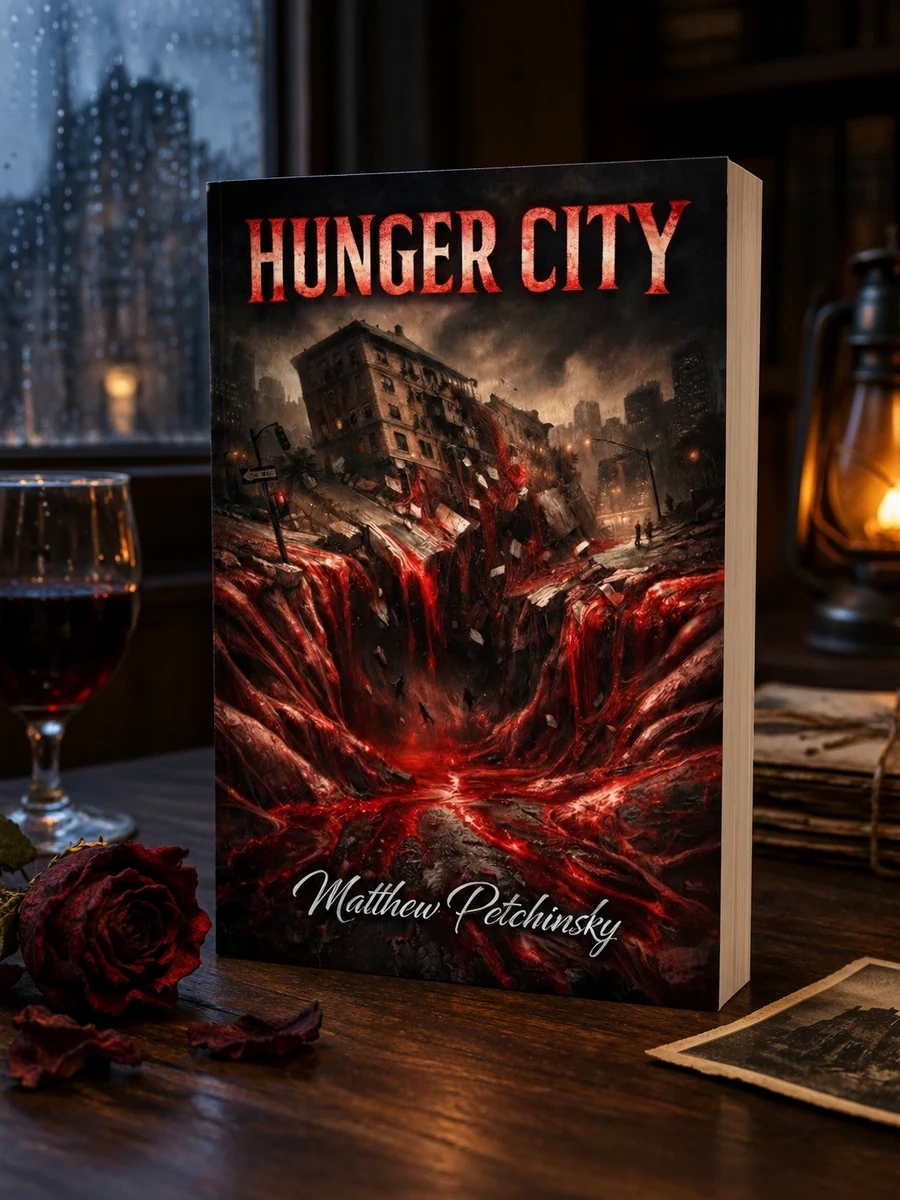
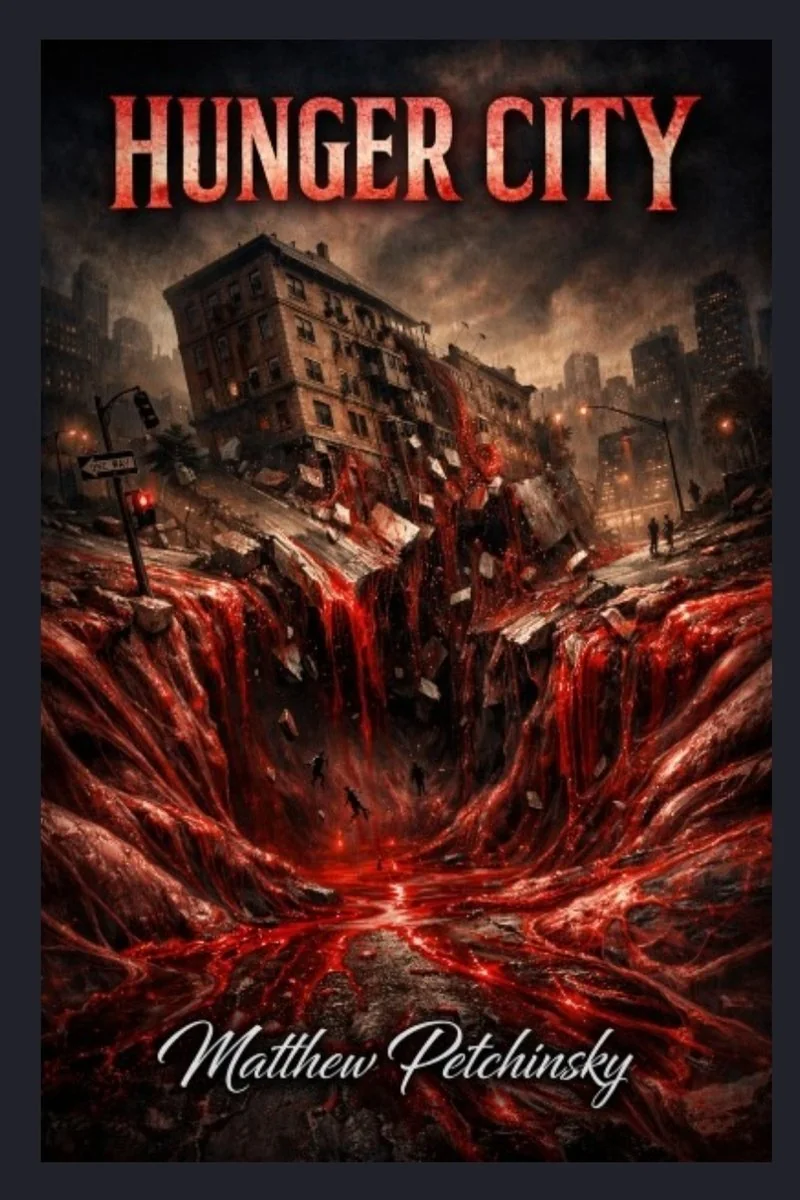
Hunger City
A novel about a city that feeds on fear and hunger.
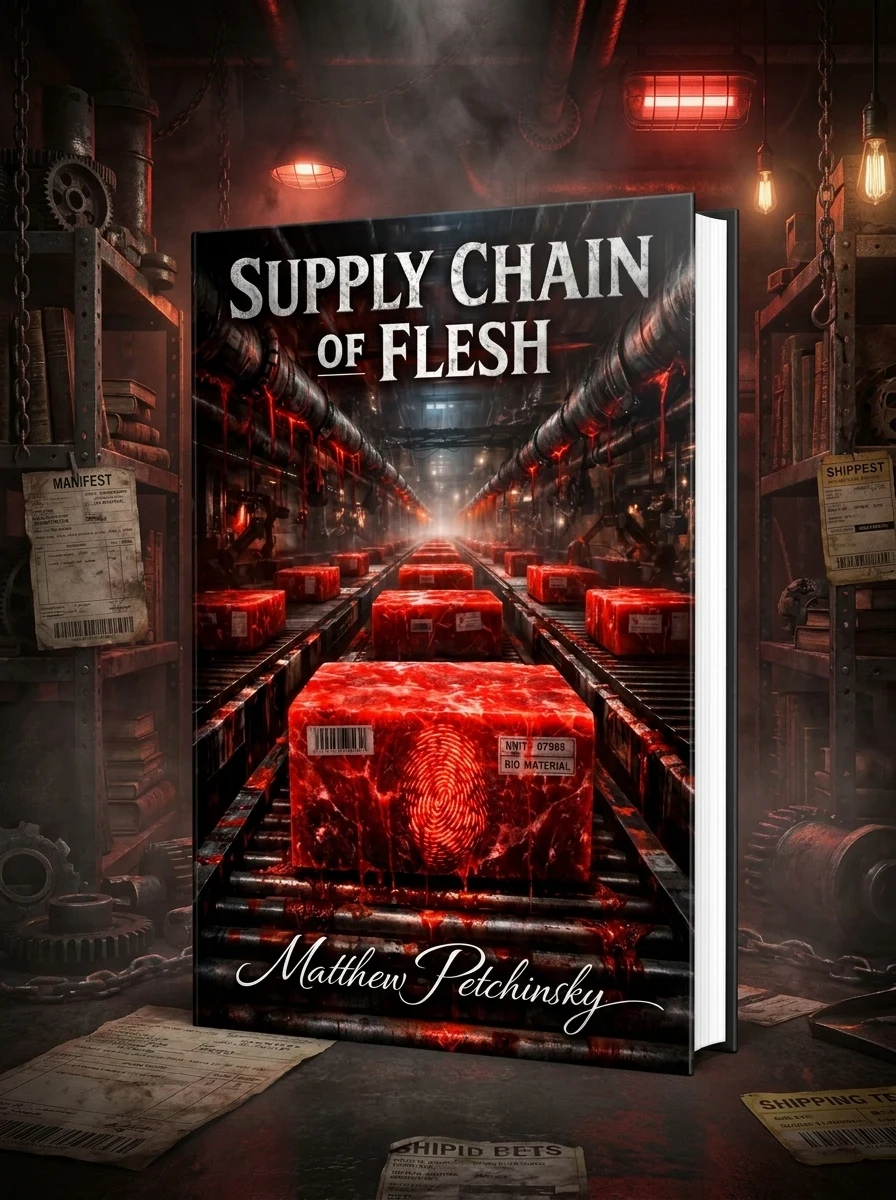
The narrative focuses on Elias Varn's struggle against a sentient urban entity that consumes humanity through fear and pain. Joined by Mara and Jonah, he uncovers a terrifying connection between his own starvation and the force beneath the streets. The story examines how civilization unravels when basic needs vanish, turning survivors into hunters. Petchinsky uses this setting to explore the psychological toll of desperation. The plot centers on the realization that the city is not broken but alive and aware of Elias specifically. This approach shifts the horror from external monsters to an internal, inescapable dread tied to the protagonist's own condition.
Published by Apophis Enterprises LLC in 2026, this work sits within the contemporary horror genre. It draws on traditions of supernatural fiction and gothic literature where environments act as malevolent forces. The narrative reflects modern anxieties about supply chain fragility and societal breakdown, presenting a unique take on post-apocalyptic survival.


📝 Description: Hunger City
💎 Our verdict on Hunger City
📖 Why choose it
Why this book is worth reading
Readers who appreciate psychological horror and apocalyptic fiction where the environment acts as an active antagonist will find this narrative deeply engaging. The book offers a unique exploration of how civilization unravels when basic needs vanish, turning survivors into hunters. It appeals to those interested in the internal, inescapable dread tied to the protagonist's condition rather than external monsters. The abstract nature of the threat provides a pervasive sense of unease, suitable for audiences who enjoy stories examining the psychological toll of desperation and the terrifying connection between human hunger and cosmic indifference.
⭐ Reader reviews
Reader rating
Matthew Petchinsky delivers a compelling vision of a sentient city that feeds on fear and pain, shifting horror from external monsters to internal dread. The narrative effectively examines how survival transforms individuals into hunters when supply chains collapse. By making the urban landscape an aware antagonist, the story creates a pervasive sense of inescapability. This approach suits readers who favor psychological depth over traditional zombie tropes or clear resolutions. While the threat remains abstract and pervasive, the characterization of Elias, Mara, and Jonah grounds the cosmic horror in human struggle. It is a strong choice for fans of dark fantasy and true crime adjacent narratives that explore the breakdown of social order.
📖 Read on the blog
✍️ More books by this author Matthew Petchinsky


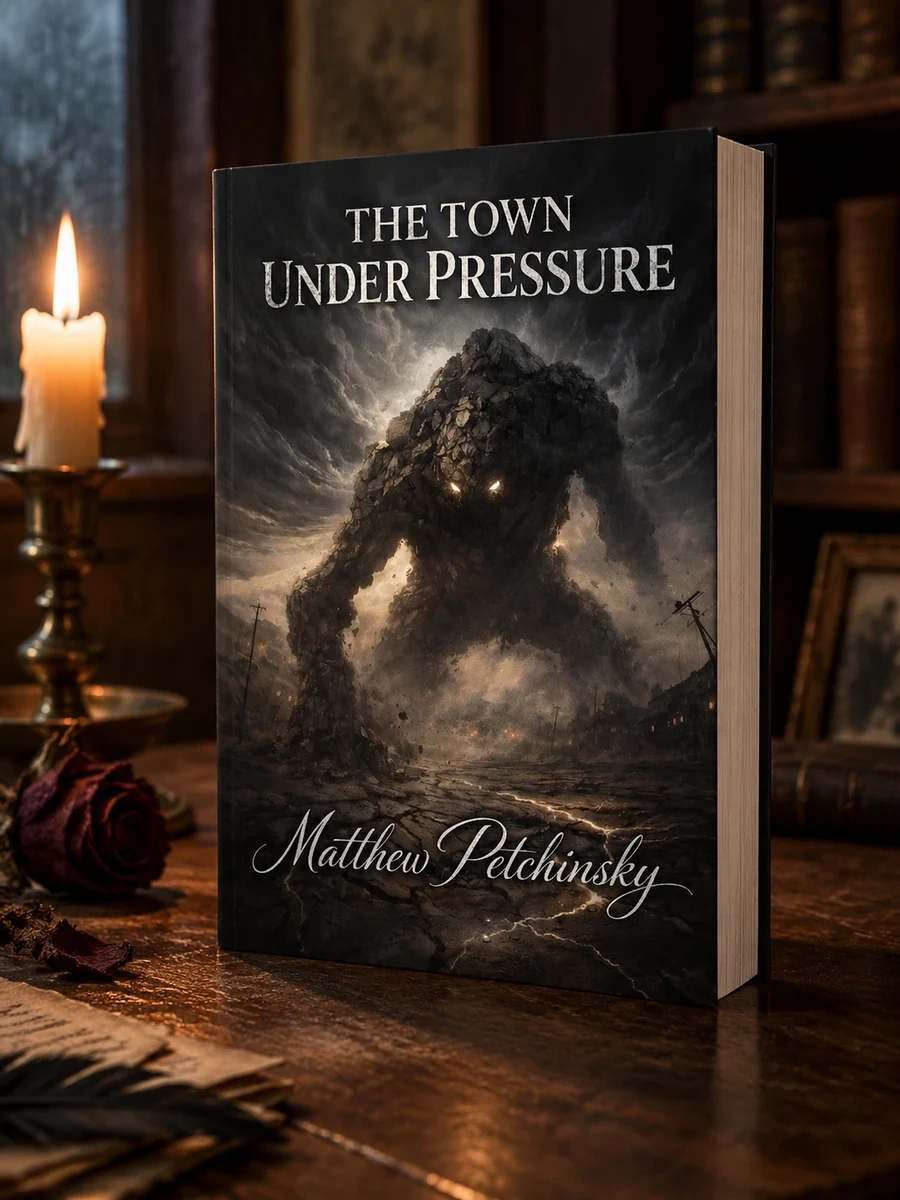

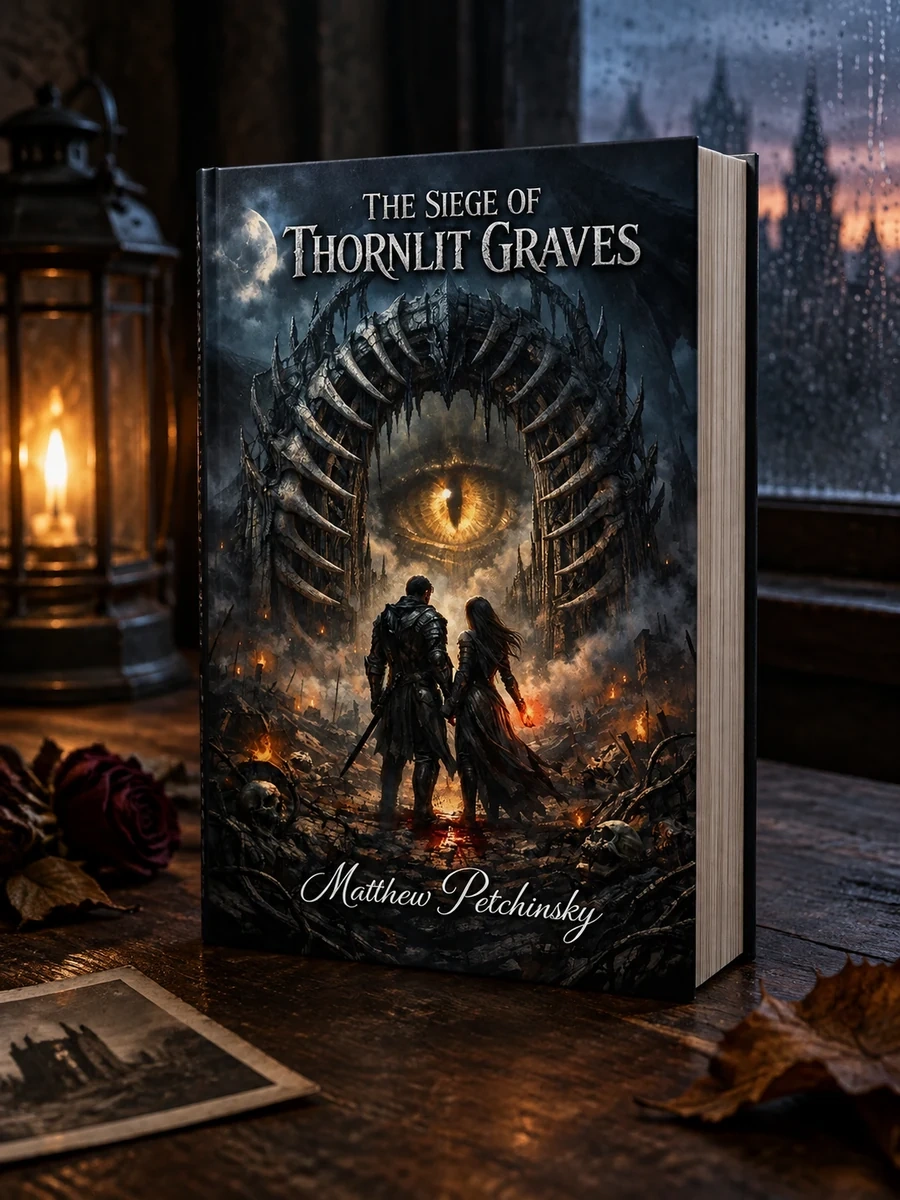

🏛 Books from this publisher Apophis Enterprises LLC
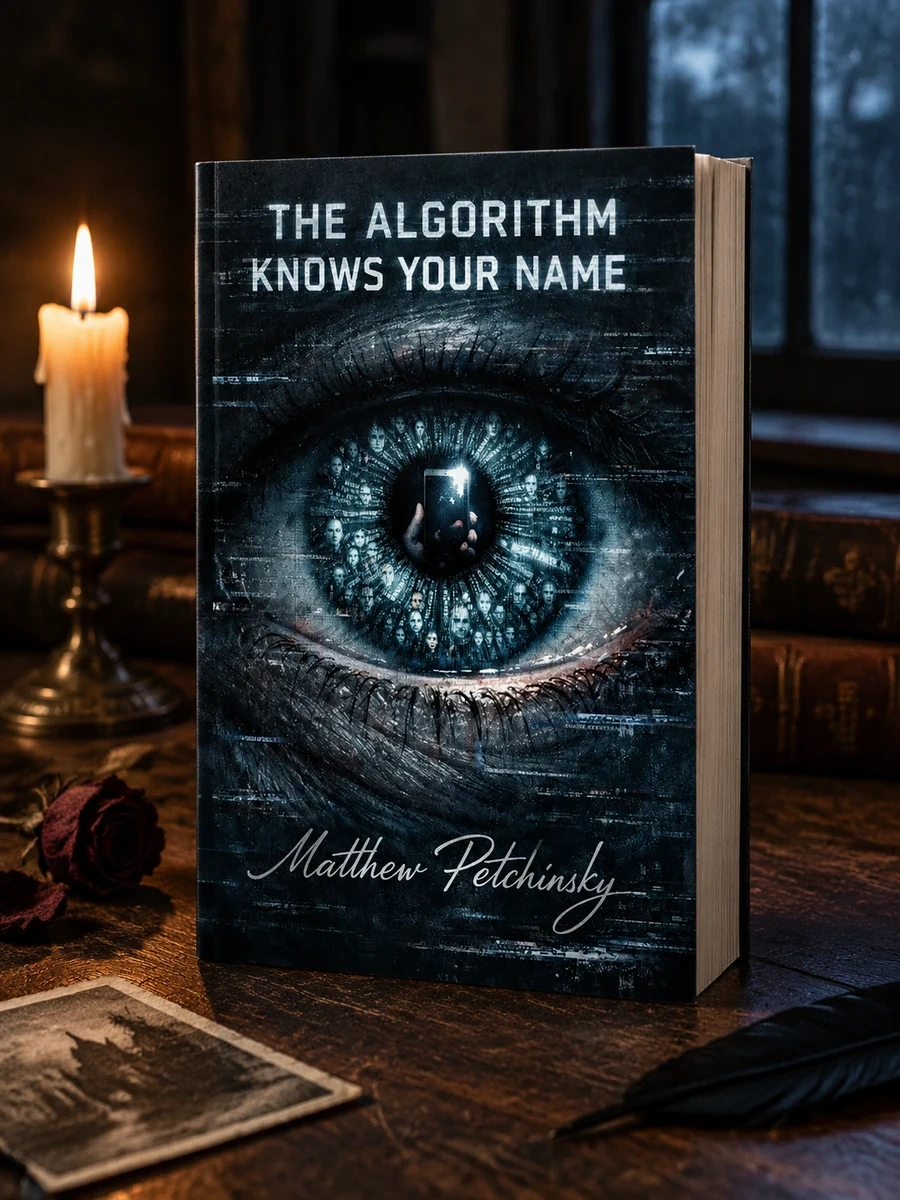
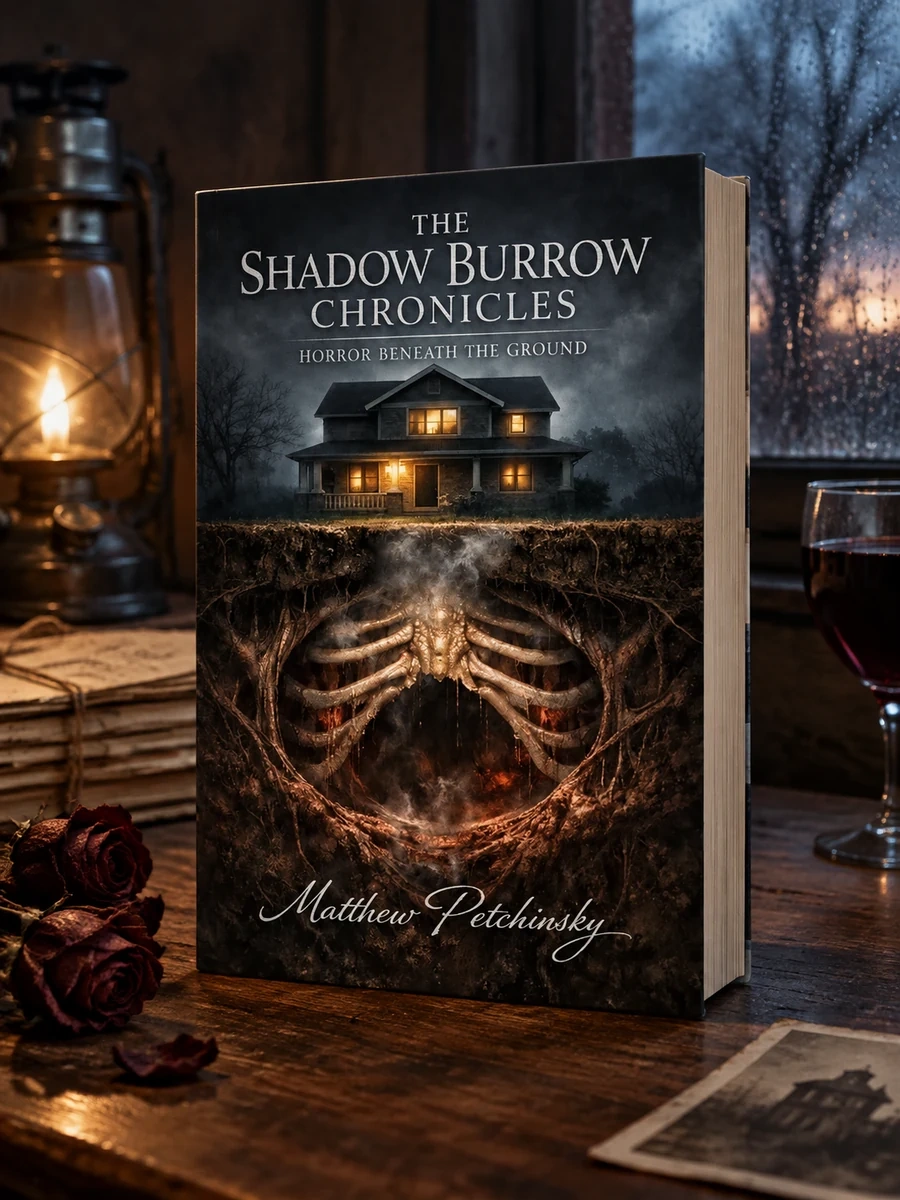


You might also like
See more →
Have a question about this item?
Ask about the edition, condition, delivery or anything else — we reply by email or phone, usually within a day.
