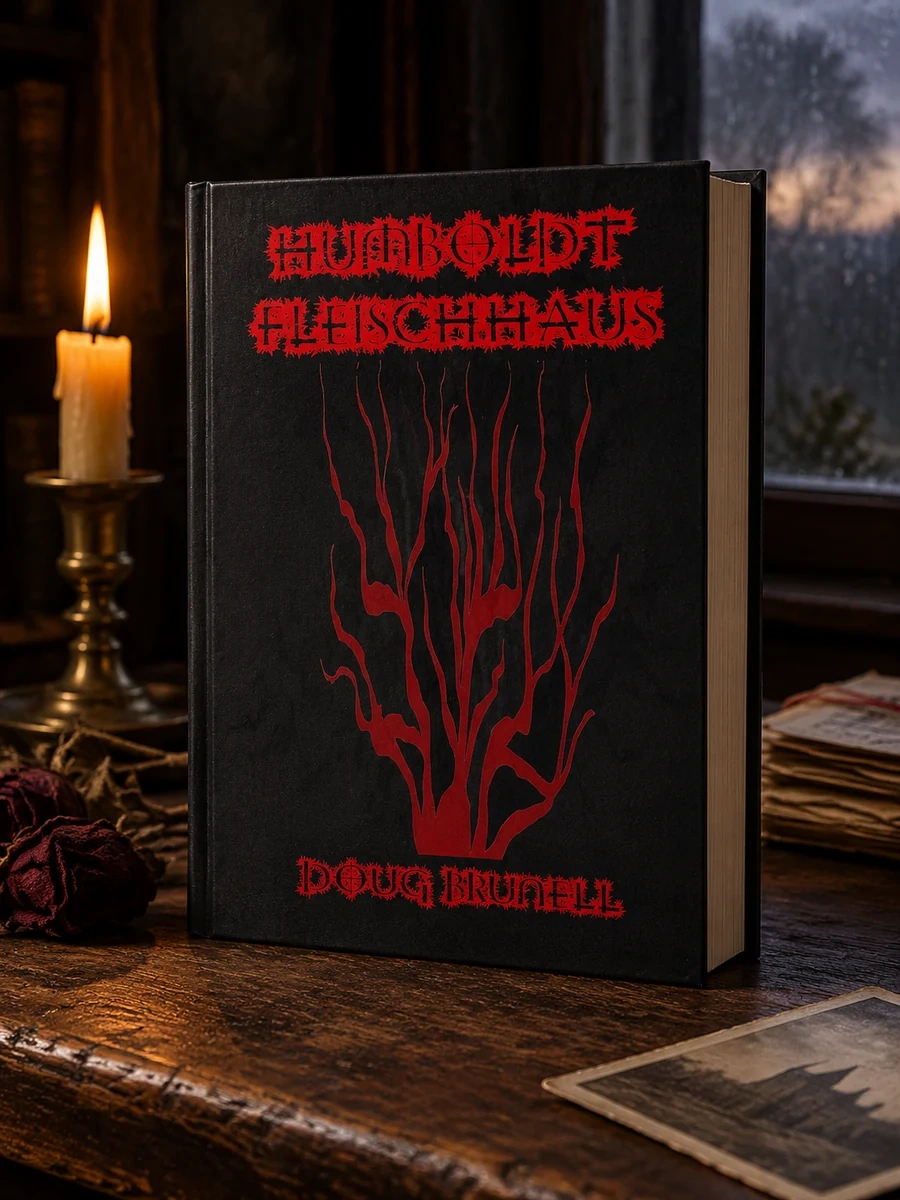
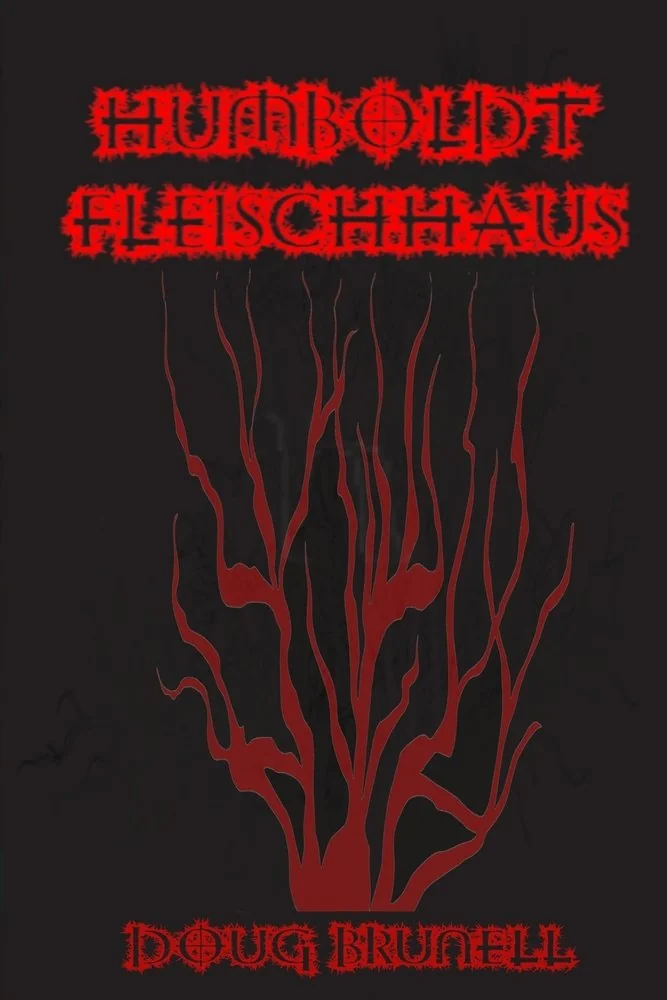
Humboldt Fleischhaus
A story about ancestral guilt and a hungry entity in the woods.
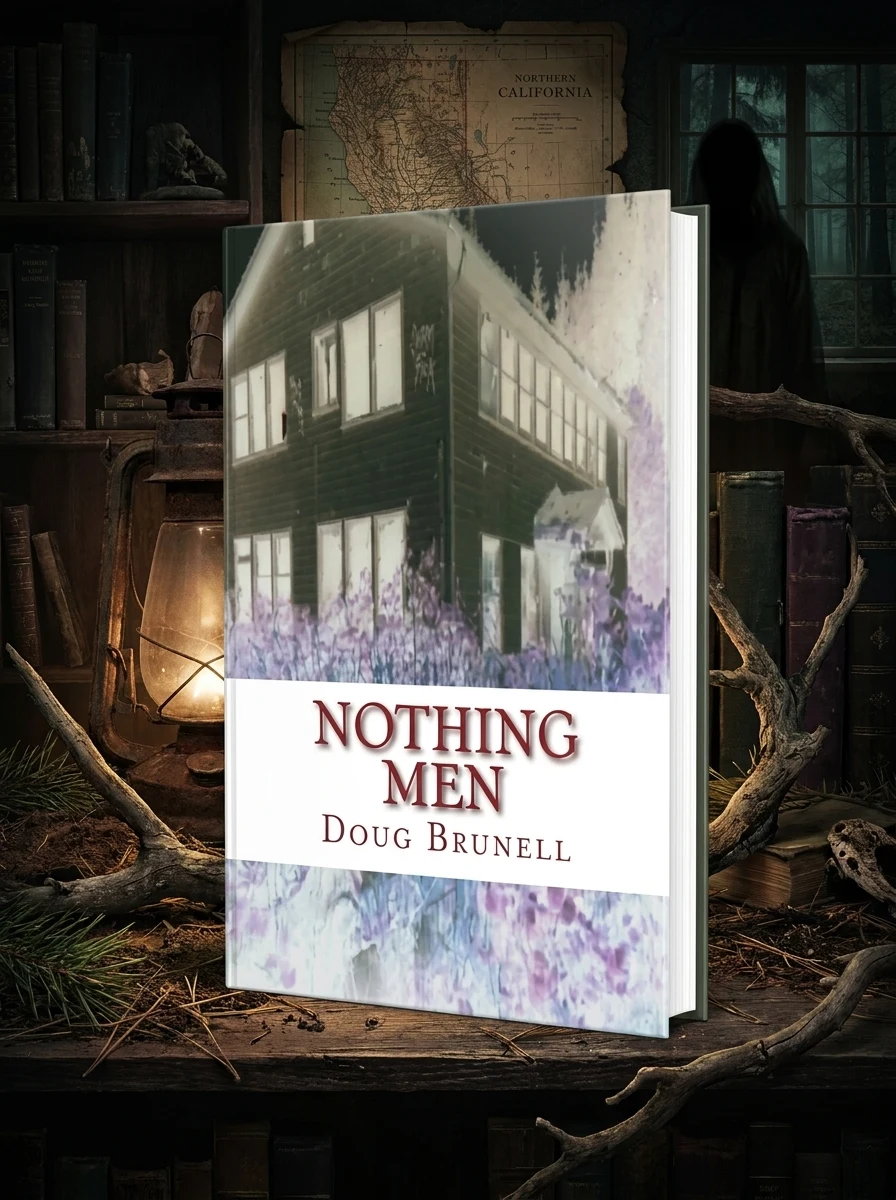
Brunell explores the long shadow cast by historical violence. The narrative connects a past murder to present-day suffering through supernatural means. The Wicked Woman of the Woods serves as an agent of retribution for those who failed to heed warnings. The setting remains central to the horror, with the Humboldt Fleischhaus acting as a focal point for the entity's hunger. The plot moves from the initial crime to the eventual confrontation with its legacy.
The work draws on American gothic traditions where forests hide dark secrets and past sins return to haunt descendants. It fits within the genre of supernatural fiction that emphasizes isolation and inevitable doom.


📝 Description: Humboldt Fleischhaus
💎 Our verdict on Humboldt Fleischhaus
📖 Why choose it
Why this book is worth reading
Readers interested in tales of generational guilt and supernatural retribution will find this work relevant. It appeals to those who enjoy dark, foreboding narratives where the past dictates the present fate. Fans of classic horror tropes involving haunted locations and vengeful spirits will appreciate the thematic depth. However, those seeking lighthearted fiction or non-fiction historical accounts should look elsewhere. The book offers a severe and inescapable form of justice for descendants of original killers, making it suitable for audiences who prefer unredemptive, malevolent forces over scientific explanations.
⭐ Reader reviews
Reader rating
Brunell structures the plot around the lingering effects of past crimes, relying on the concept that ancestors' actions dictate the fate of their descendants. The tone is consistently dark and foreboding, focusing on the inevitable return of a malevolent force tied to the Humboldt Fleischhaus location. The narrative introduces the Wicked Woman of the Woods as an agent of retribution for those who failed to heed warnings. This work suits fans of classic horror tropes involving haunted locations and vengeful spirits. It does not offer scientific explanations or redemption arcs for the characters involved, ensuring a pure experience of supernatural dread and historical consequence without modern narrative comforts.