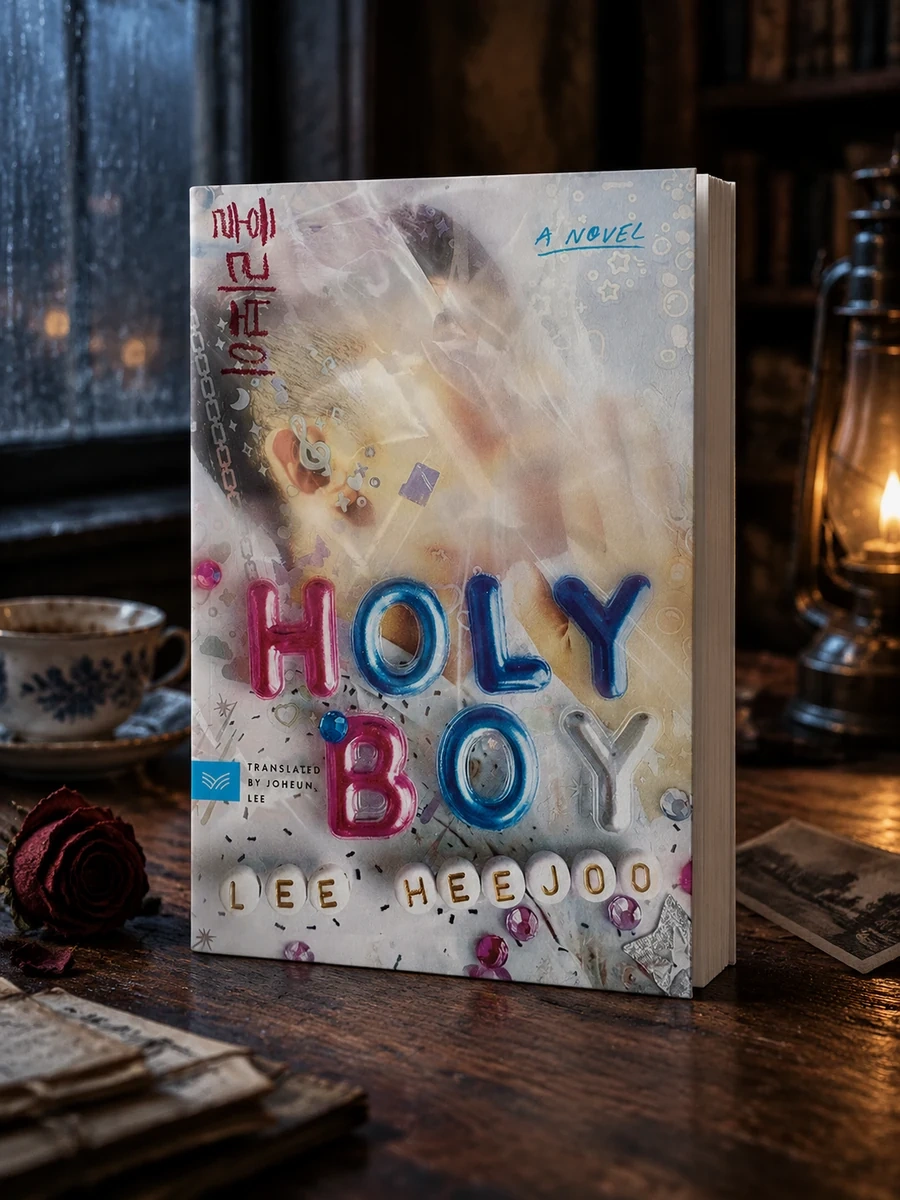
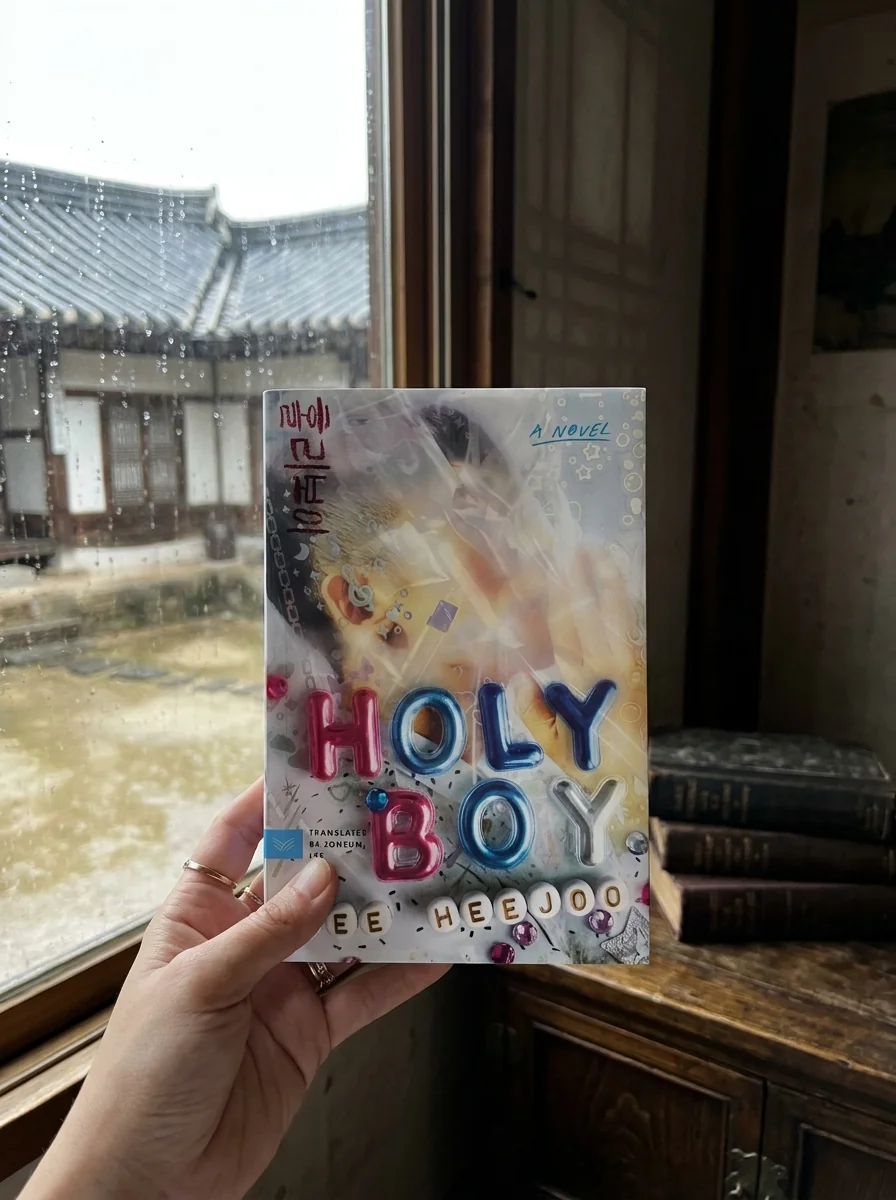
Holy Boy
A Korean literary exploration of psychological horror and moral ambiguity.
Holy Boy distinguishes itself by rejecting external horror tropes in favor of internal psychological study. Lee Heejoo constructs a narrative where the past exerts a heavy influence on the present, creating a pervasive sense of unease. The book operates within the realm of world literature, specifically drawing from Korean contexts to explore moral ambiguity. Readers will find a story that prioritizes character-driven tension and subtle anxiety over plot-heavy action. This approach creates an intimate yet disturbing experience for those who prefer dread to be slow-burning. The work is organized to maintain this focus on the human mind's darker aspects, avoiding sensationalism. It stands as a serious entry in psychological fiction for readers who value atmospheric depth and intellectual engagement over visceral thrills.
This work sits within Korean world literature, drawing on cultural traditions to explore universal themes of dread. It bridges local literary sensibilities with global psychological fiction trends, offering a perspective rooted in specific heritage while addressing broad human anxieties.


📝 Description: Holy Boy
💎 Our verdict on Holy Boy
📖 Why choose it
Why this book is worth reading
Readers seeking a literary exploration of dread will find profound satisfaction in this title, which offers an intimate yet disturbing experience. It appeals specifically to those who value character-driven tension and subtle anxiety over plot-heavy action or visceral thrills. By rejecting external horror clichés, the narrative invites deep engagement with the darker corners of the human psyche. This book is ideal for audiences who prefer slow-burning dread and intellectual stimulation, allowing the weight of the past to create a pervasive sense of unease without relying on shock value or sensationalism.
⭐ Reader reviews
Reader rating
Lee Heejoo crafts a compelling study of internal turmoil that distinguishes itself by avoiding traditional supernatural scares in favor of psychological realism. The narrative effectively utilizes moral ambiguity to build a slow-burning atmosphere, ensuring the fear accumulates quietly rather than through sudden shocks. This approach creates a disturbing yet thoughtful experience for those who appreciate subtle anxiety and intellectual engagement. While it may not suit readers seeking fast-paced action or external threats, it excels in delivering atmospheric depth. The work stands as a significant contribution to psychological horror, prioritizing the complexities of the mind and offering a lingering sense of unease that resonates long after the final page.
📖 Read on the blog
✍️ More books by this author Lee Heejoo
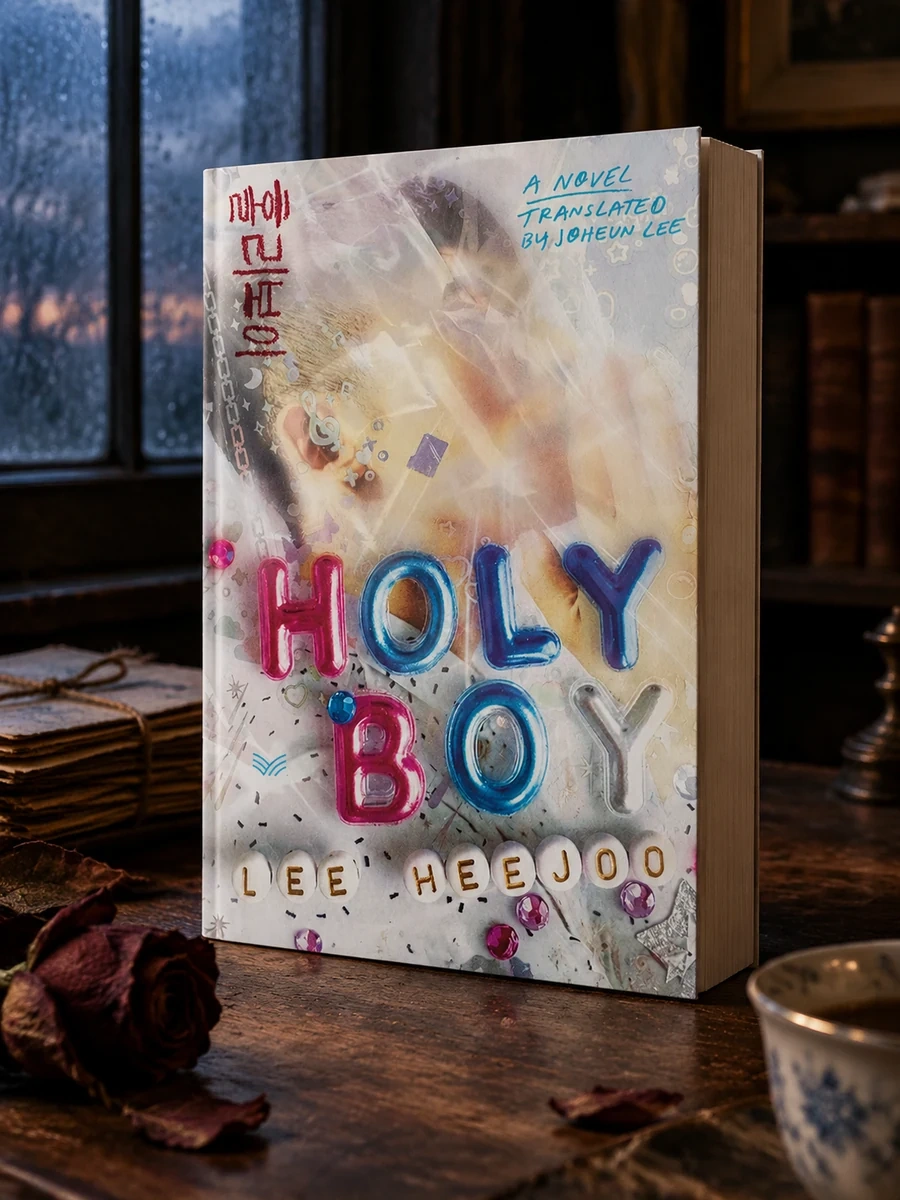


🏛 Books from this publisher Harpervia


You might also like
See more →

Have a question about this item?
Ask about the edition, condition, delivery or anything else — we reply by email or phone, usually within a day.
