
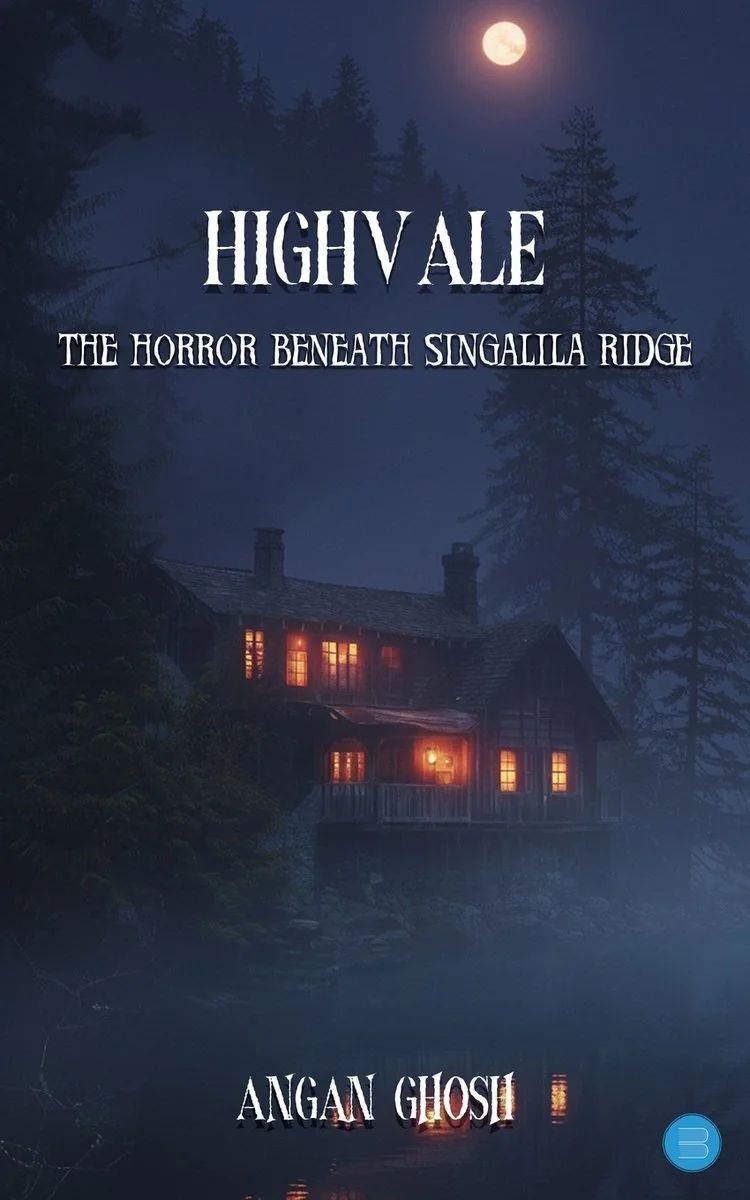
Highvale - The Horror Beneath Singalila Ridge
A doctor in Darjeeling faces memory itself, not ghosts, in a fog-shrouded hospital.
The narrative follows Ayan as he confronts a pulsing red presence in Ward X. This entity is identified as memory rather than a spectral figure. The story explores how the mountain beneath Highvale Hospital influences those within it. Ghosh uses the Darjeeling setting to create a sense of isolation and inevitability. The fog acts as an active element, moving with intention around the ridge. Ayan’s internal rhythm syncs with the landscape, blurring the line between self and environment. The plot centers on the revelation that survival requires managing one’s own recollections. The text emphasizes the weight of ancient, patient forces waiting in the stone. It is a study of psychological erosion caused by an active, conscious landscape.
The story is set in the Darjeeling hills on Singalila Ridge. It draws on the tradition of gothic horror where place holds power. The narrative uses the mist and mountain as active participants. This setting grounds the supernatural elements in a specific, real-world geography. The work reflects regional atmospheric conditions to enhance psychological tension.


📝 Description: Highvale - The Horror Beneath Singalila Ridge
💎 Our verdict on Highvale - The Horror Beneath Singalila Ridge
📖 Why choose it
Why this book is worth reading
Readers who appreciate slow-burn psychological horror and character-driven narratives set against distinct geographical backdrops will find this work compelling. It appeals to those interested in the intersection of medical duty and supernatural dread, offering a unique perspective on how place influences perception. The book is ideal for audiences seeking atmospheric tension over jump scares, provided they are comfortable with deliberate pacing. It offers a deep dive into psychological erosion caused by an active landscape, making it suitable for fans of cosmic horror who prefer internal conflict over external action.
⭐ Reader reviews
Reader rating
Ghosh constructs a formidable tale where the physical setting dictates the protagonist's psychological state with precision. The fog and stone are not mere backgrounds but active participants, creating a suffocating sense of inevitability. By identifying memory as the antagonist rather than a spectral figure, the narrative offers a fresh take on horror tropes. The emphasis on silence and landscape consciousness elevates the tension beyond traditional ghost stories. While the deliberate pace may deter those seeking fast-paced action, it rewards patience with a profound exploration of sanity and recollection. It is a masterful study of isolation.
📖 Read on the blog
🏛 Books from this publisher Bluerose Publishers





You might also like
See more →


Have a question about this item?
Ask about the edition, condition, delivery or anything else — we reply by email or phone, usually within a day.
