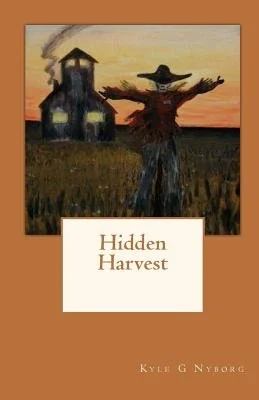
Hidden Harvest
A man discovers a blood-soaked secret behind 1868 Oregon Trail vanishings.
Nyborg constructs a tale around the Prairie Triangle, a place where reality fractures. The narrative draws on the historical event of forty-one missing travelers from 1868 to build a foundation for supernatural horror. The story examines the consequences of following an ancient text that demands sacrifice. It focuses on the isolation of the protagonist and the terrifying nature of the local traditions. The book does not offer easy answers but rather reveals a cycle of violence and debt.
The narrative is set against the backdrop of the Oregon Trail in 1868, specifically focusing on the Blue Mountains region. It draws upon the historical tragedy of forty-one people who vanished without a trace during that winter, using this real event as the basis for its supernatural elements.


📝 Description: Hidden Harvest
💎 Our verdict on Hidden Harvest
📖 Why choose it
Why this book is worth reading
Readers who appreciate the intersection of historical mystery and cosmic dread will find this narrative compelling. It appeals to those interested in the psychological weight of isolation and the terrifying implications of ancient, unbreakable pacts. The book offers a bleak but atmospheric exploration of cult dynamics and sacrificial rituals, providing a deep dive into the consequences of following forbidden texts. It is ideal for audiences who enjoy slow-burn horror that prioritizes mood and thematic depth over action. Those seeking to understand the cultural resonance of unsolved frontier tragedies through a lens of supernatural terror will gain significant insight from this examination of violence and debt.
⭐ Reader reviews
Reader rating
Nyborg effectively constructs a claustrophobic atmosphere by anchoring supernatural elements in the specific geography of the Prairie Triangle. The narrative succeeds in blending historical tragedy with cosmic horror, creating a sense of inevitable doom that permeates every page. By focusing on the protagonist's isolation and the rigid rules of 'The Book of Rule,' the author builds tension without relying on cheap shocks. This approach suits readers who prefer intellectual engagement and atmospheric dread over visceral gore. The exploration of ancient pacts and blood atonement provides a fresh perspective on gothic tropes, making it a worthy addition for fans of psychological horror and dark fantasy who appreciate well-researched, grim storytelling.