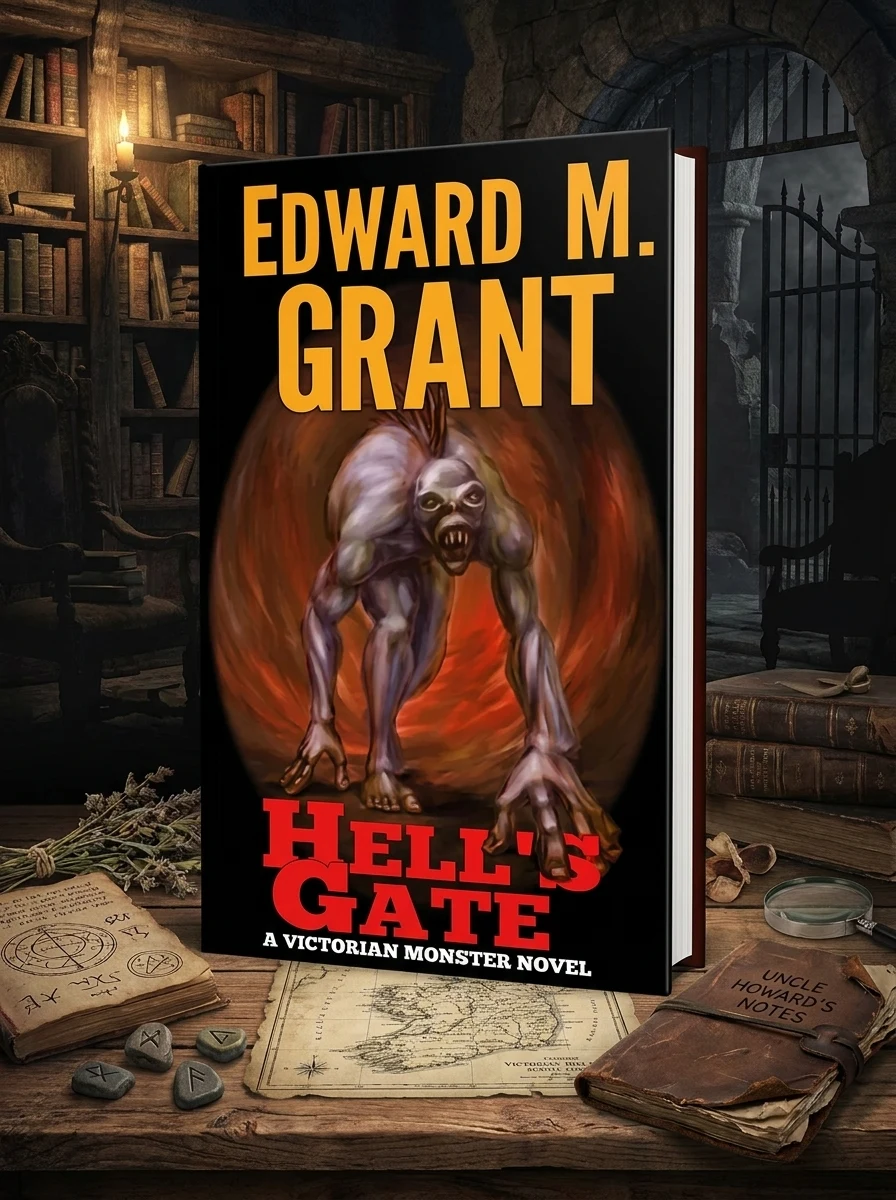
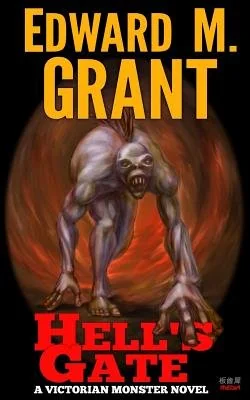
Hell's Gate: A Victorian Monster Novel
A Victorian mystery involving demonic sacrifices and hidden garden dangers.
Grant constructs a tense narrative centered on Uncle Howard’s vanishing act from his isolated Irish estate. The plot follows Hope as she navigates the aftermath, confronting rumors of demon worship. The story diverges from standard fairy tales by introducing genuinely malevolent forces. Readers experience the slow unraveling of secrets tied to the land and its history. The author uses the Victorian setting to enhance the sense of dread and isolation. This approach creates a distinct atmosphere that separates the work from contemporary horror.
This novel sits within the tradition of Victorian monster fiction, drawing on the era’s fascination with the supernatural and the gothic. It is set in remote coastal Ireland, a location rich in folklore, yet it subverts expectations by introducing darker, more dangerous entities than traditional fairies.


📝 Description: Hell's Gate: A Victorian Monster Novel
💎 Our verdict on Hell's Gate: A Victorian Monster Novel
📖 Why choose it
Why this book is worth reading
Readers drawn to atmospheric horror and psychological dread will find this narrative compelling. It appeals to those who enjoy slow-burn mysteries where the setting itself acts as a character, reflecting isolation and hidden evils. The book offers a refreshing divergence from contemporary fast-paced action, focusing instead on the psychological weight of superstition. Fans of gothic literature and Victorian-era settings will appreciate the tension built through environmental unease rather than explicit gore. It is ideal for audiences seeking a focused exploration of how familiar landscapes can harbor dangerous, unknown forces. The story challenges assumptions about folklore, offering a unique perspective on demonic sacrifices and rural isolation.
⭐ Reader reviews
Reader rating
Grant successfully constructs a tense narrative centered on mystery and dread, utilizing the Victorian setting to enhance feelings of isolation. By shifting focus from standard fairy tale tropes to genuinely malevolent forces, the author creates a distinct atmosphere that separates this work from modern horror. The text excels in examining the intersection of folklore and horror, drawing on traditions of Victorian monster fiction. It suits readers interested in atmospheric tales where secrets unravel slowly through character interactions. While it may not appeal to those seeking explicit gore or rapid pacing, its strength lies in psychological weight and environmental storytelling. This approach ensures a cohesive exploration of hidden evils within familiar landscapes.
You might also like
See more →







Have a question about this item?
Ask about the edition, condition, delivery or anything else — we reply by email or phone, usually within a day.
