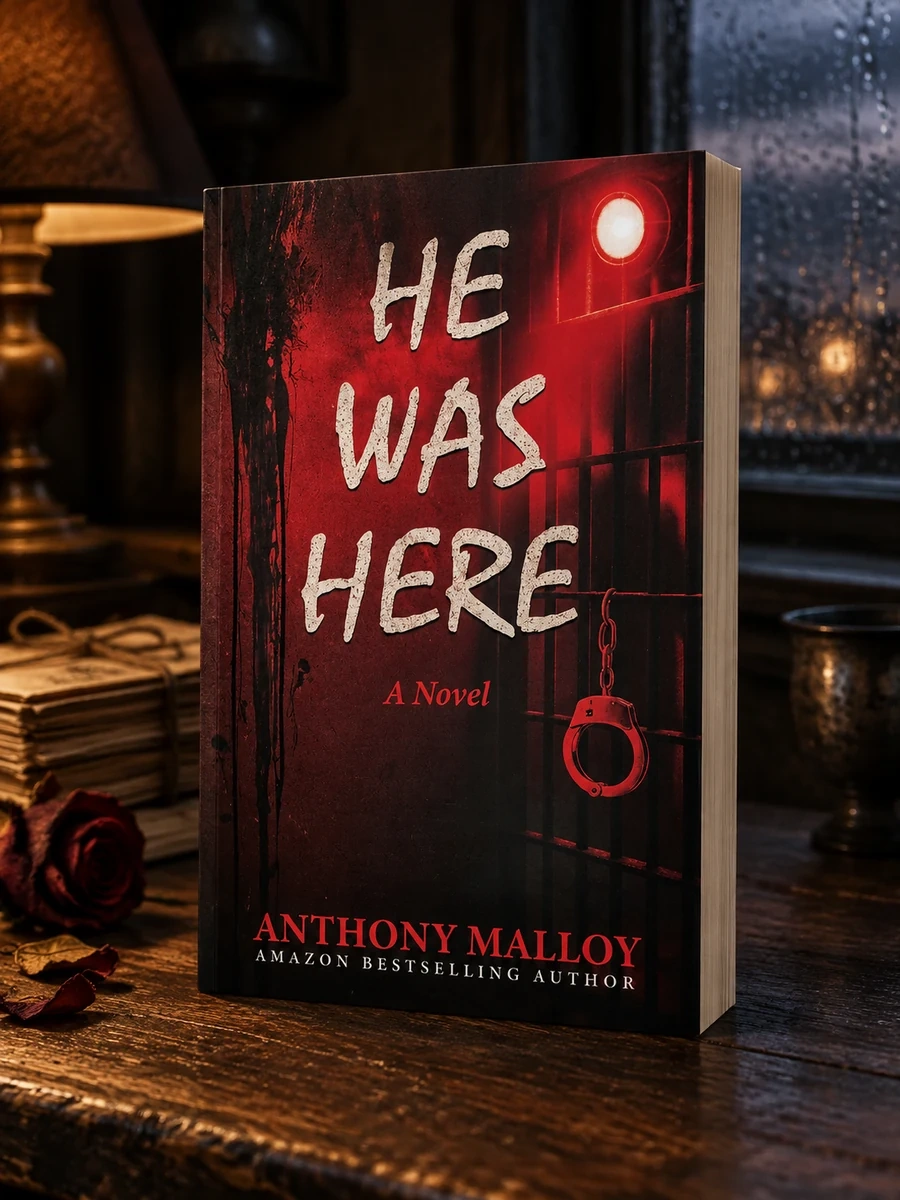
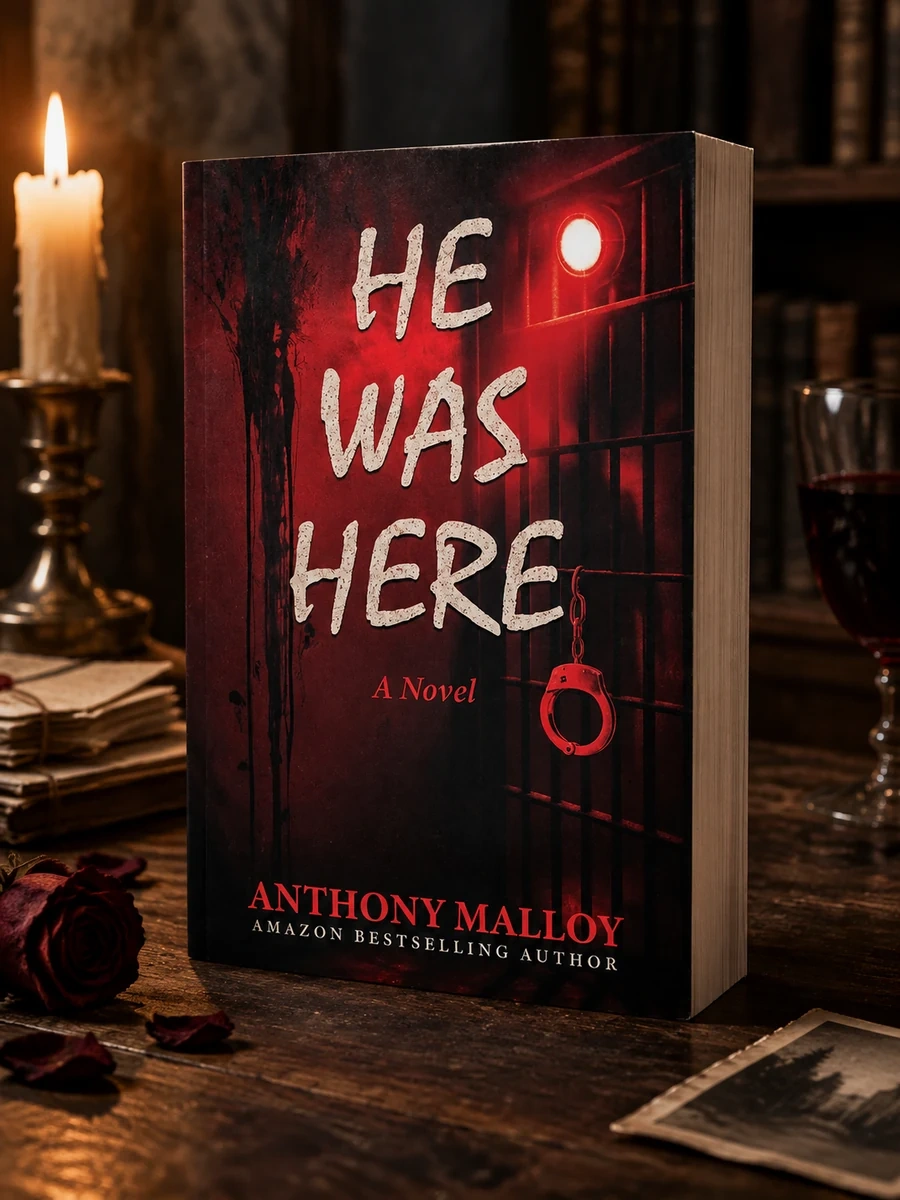
He Was Here
A dual-perspective thriller about a detective hunting an escaped serial killer linked to his father's death.
Malloy constructs a tense narrative where Detective Niko Russo pursues Dante Crowe after the killer escapes prison. The plot centers on the murder of Russo's father and the subsequent return of violent crimes matching Crowe's past signature. Russo collaborates with Darius Jacks and Cassie Callahan to solve the case. The book utilizes alternating viewpoints to expose the mental deterioration of both the pursuer and the pursued. This approach highlights the corrosive effect of grief and obsession on professional duty. The story avoids conventional heroics, focusing instead on the psychological decay caused by a personal vendetta. Readers witness the blurring of ethical lines as Russo becomes increasingly consumed by his quest for retribution. The narrative structure emphasizes the internal conflict over external action.
The novel fits within the contemporary American psychological horror genre, drawing on noir traditions of flawed detectives and serial killer narratives. It reflects modern anxieties about justice systems and the lingering trauma of violent crime. The work engages with gothic themes of inherited guilt and the monster within.


📝 Description: He Was Here
💎 Our verdict on He Was Here
📖 Why choose it
Why this book is worth reading
This book is ideal for readers who appreciate character-driven thrillers that prioritize psychological depth over conventional heroics. Those interested in the corrosive effects of grief and obsession on professional duty will find value in the nuanced portrayal of Detective Niko Russo’s descent. The dual-perspective structure offers a unique window into the mental states of both hunter and hunted, making it suitable for audiences who enjoy complex moral landscapes. It appeals to those willing to engage with narratives that blur ethical lines and focus on the terrifying transformation of individuals driven by loss. Readers seeking lighthearted suspense should look elsewhere, as this work demands engagement with its darker, more introspective themes.
⭐ Reader reviews
Reader rating
Malloy constructs a tense narrative where the psychological toll of justice turning personal is laid bare through alternating viewpoints. The text effectively depicts a savage descent into madness, drawing on noir and gothic traditions to show how reality warps under obsession. By focusing on internal conflict over external action, the story highlights the eroding line between hunter and hunted. It suits readers who enjoy psychological studies of trauma and character-driven suspense. The narrative avoids easy resolutions, instead offering a lingering look at violence’s impact on the psyche. While it may not appeal to those seeking clear moral boundaries, its strength lies in its unflinching examination of grief and vengeance.
📖 Read on the blog
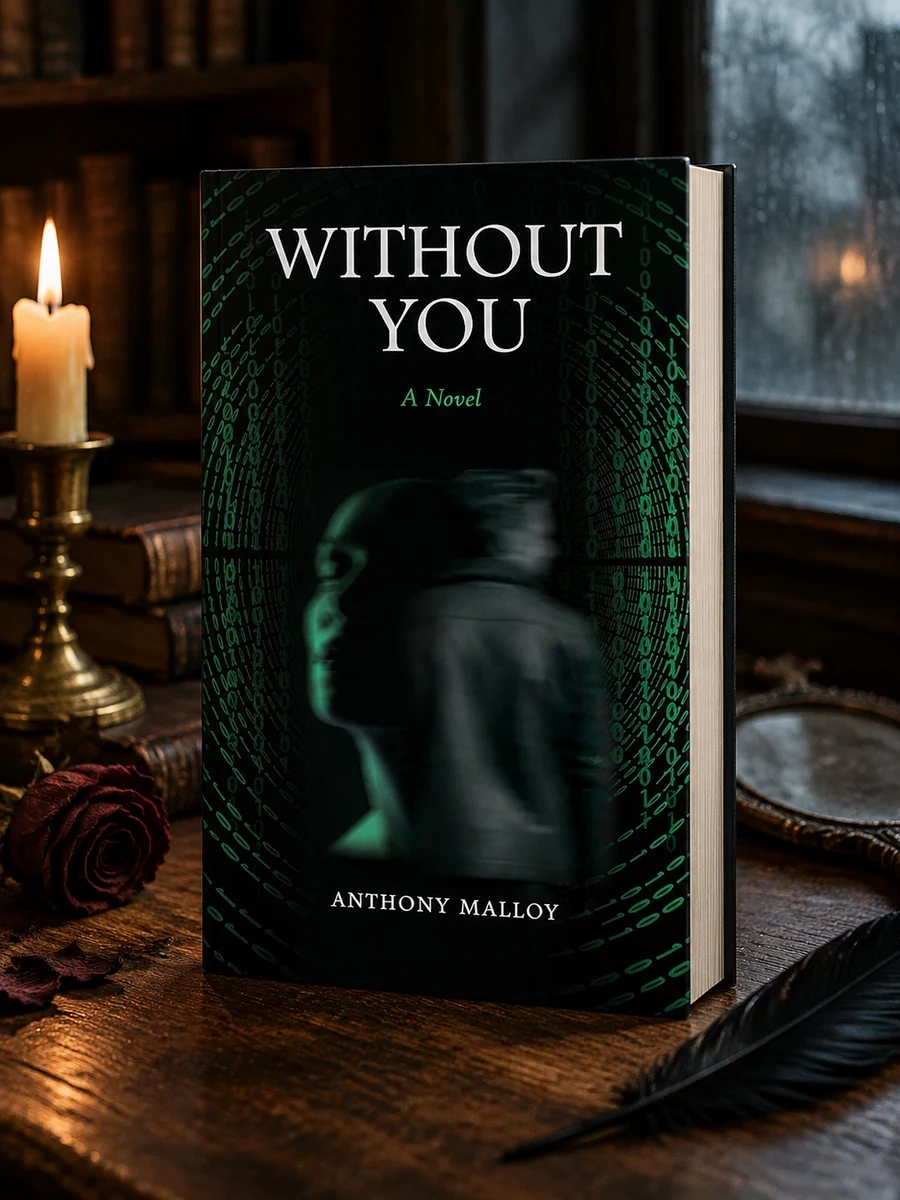
✍️ More books by this author Anthony Malloy


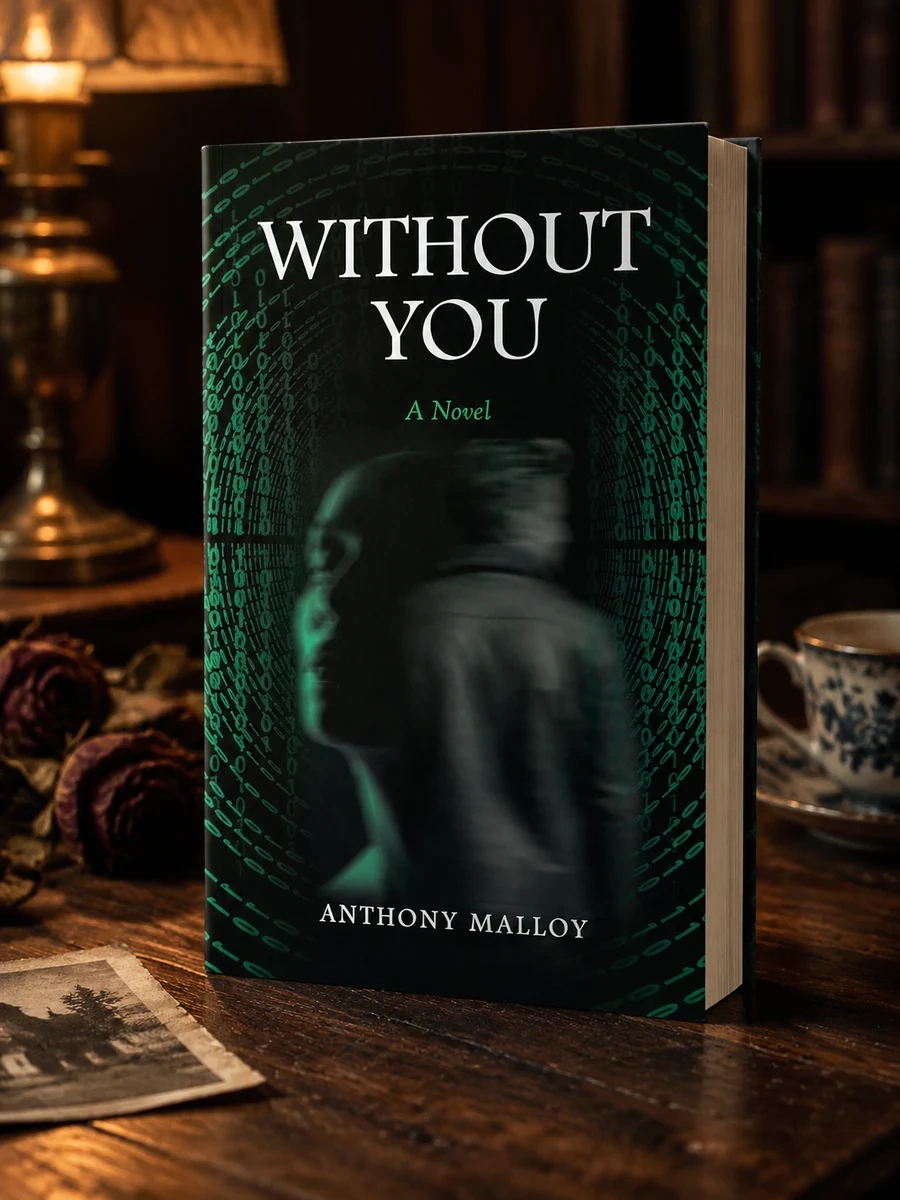
🏛 Books from this publisher Anthony Malloy
You might also like
See more →

Have a question about this item?
Ask about the edition, condition, delivery or anything else — we reply by email or phone, usually within a day.
