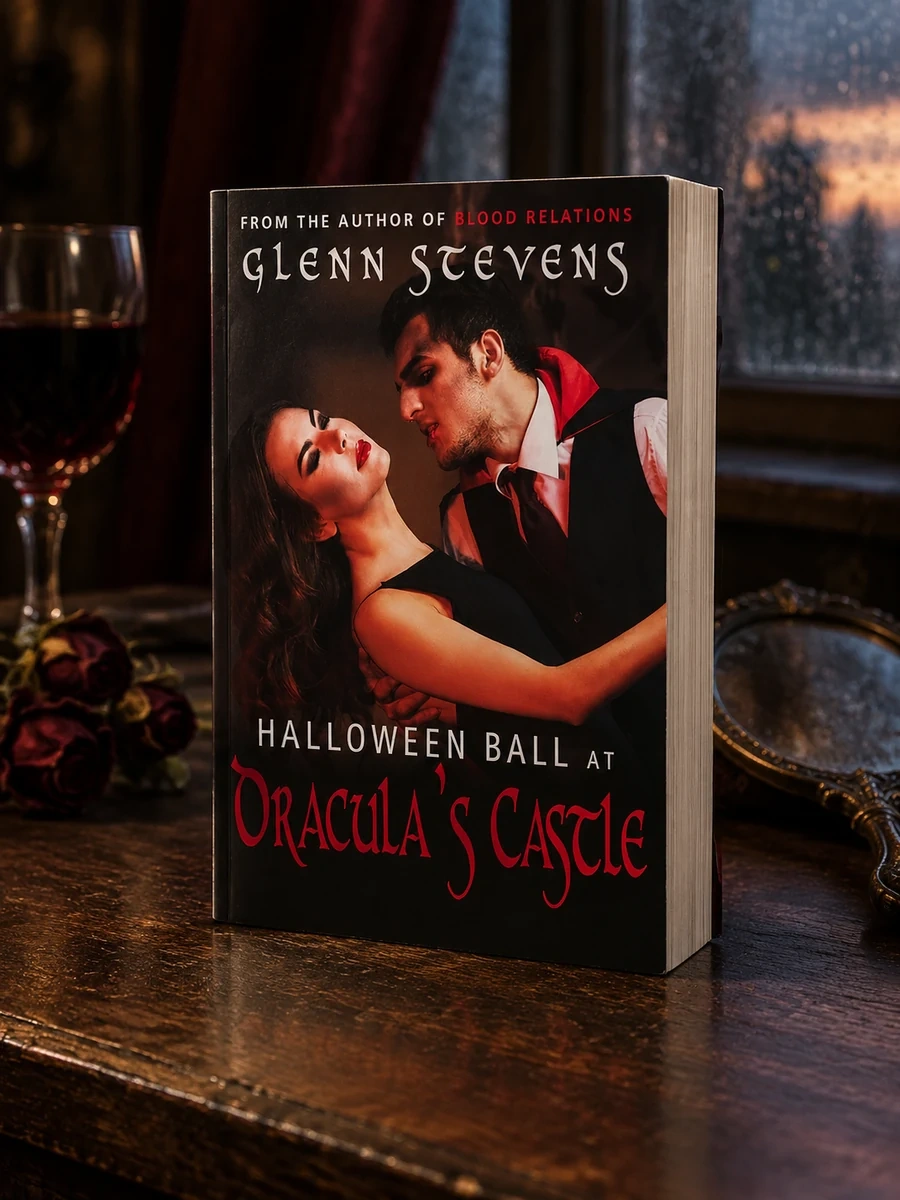
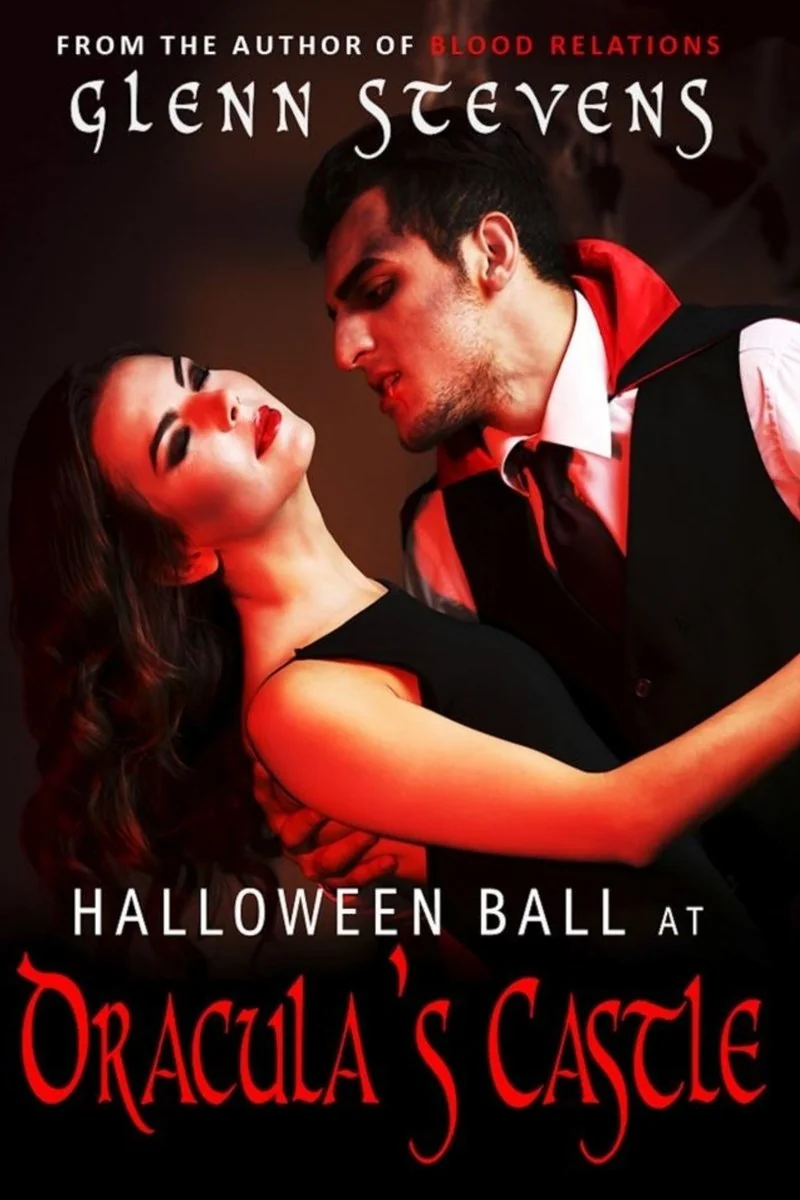
Halloween Ball at Dracula's Castle
A story about two cheerleaders invited to a deadly Halloween party at Dracula's Castle.
The narrative centers on Jill and Vickie, who accept an invitation from Count Dracula to his Halloween Ball. The text describes them as college cheerleaders facing undead friends of the host. Their objective is to escape with their prize money while fighting back against evil forces. Stevens uses this setup to create a suspenseful atmosphere where the characters must survive the night. The story does not expand beyond the events of this specific party or the immediate actions of these two protagonists.
This book was published in 2013 by Createspace Independent Publishing Platform. It draws on the tradition of Halloween and the figure of Count Dracula. The setting is explicitly Dracula's Castle during a party for undead guests.


📝 Description: Halloween Ball at Dracula's Castle
💎 Our verdict on Halloween Ball at Dracula's Castle
📖 Why choose it
Why this book is worth reading
Readers seeking a brisk, uncomplicated horror experience will find this narrative appealing for its straightforward premise and high-stakes tension. The book is ideal for those who enjoy the clash between modern innocence and ancient evil, specifically the dynamic of cheerleaders confronting supernatural threats. It offers a focused survival story without requiring deep engagement with vampire mythology or historical context. Fans of short, punchy tales that prioritize immediate danger over elaborate world-building will appreciate the tight scope. The tangible goal of escaping with prize money adds a layer of relatable motivation to the supernatural ordeal. This work serves those who prefer direct confrontations between familiar archetypes and classic monsters, providing a quick, suspenseful read that delivers on its promise of a deadly Halloween party without unnecessary complications or extended lore.
⭐ Reader reviews
Reader rating
The narrative succeeds in establishing a clear, tense atmosphere through its focus on a single night of danger. By centering on Jill and Vickie, the text leverages the contrast between cheerful modernity and gothic horror effectively. The plot remains tight, avoiding bloat by sticking strictly to the survival mechanics of the Halloween Ball. It appeals most to readers who enjoy straightforward vampire confrontations and do not require extensive historical depth or political intrigue. The work delivers on its promise of suspense through immediate threats rather than complex character arcs. While it lacks expansive world-building, it compensates with a direct engagement with classic horror tropes. This is a solid choice for fans of pulp-style horror who want a quick, engaging thrill without the commitment to lengthy mythology or intricate plotting found in more serious literary vampire fiction.