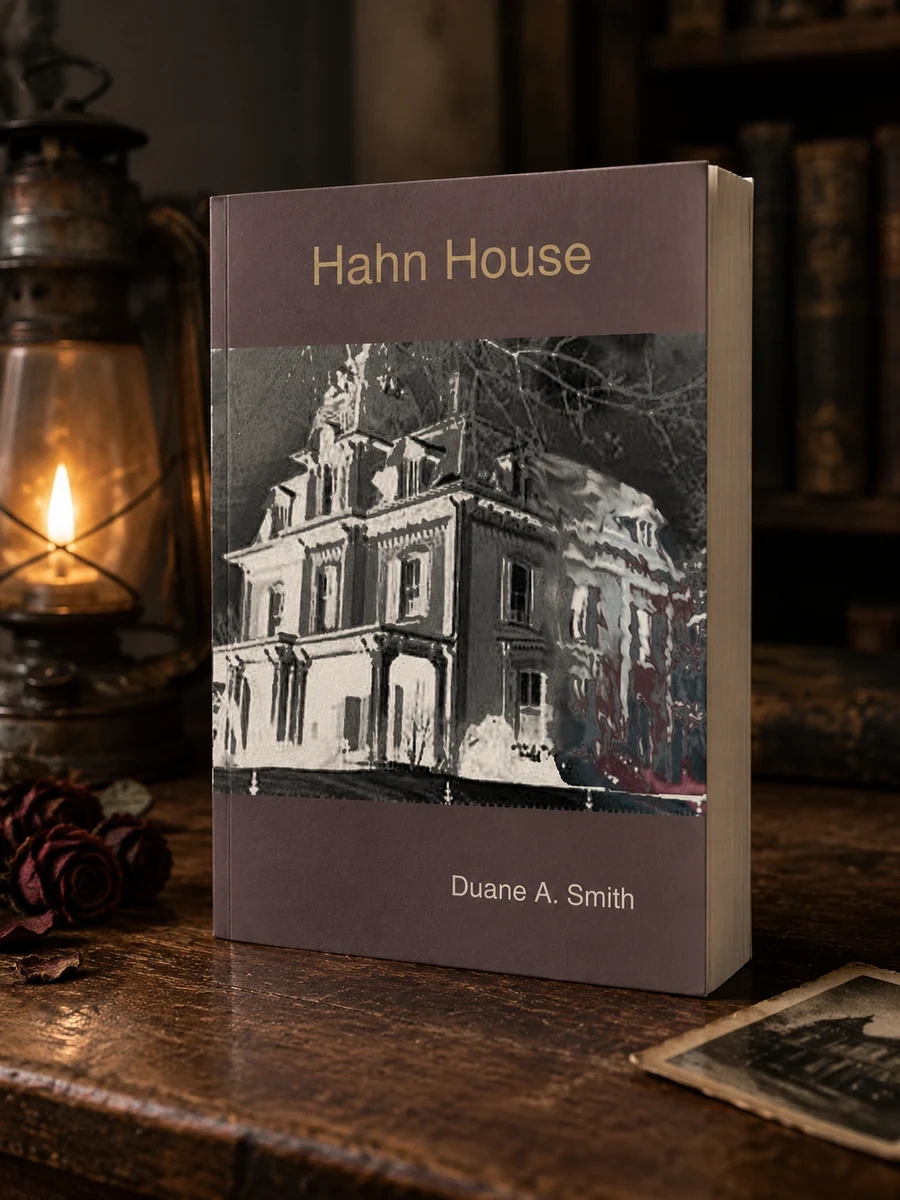
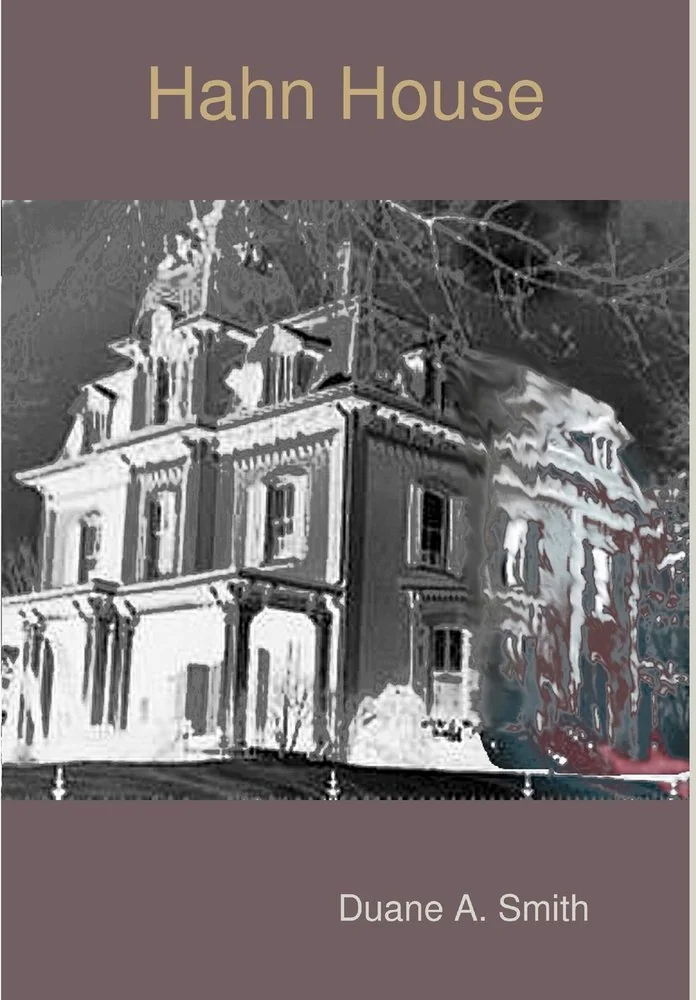
Hahn House
An ancient house unconsciously devours prey using sweet thoughts as bait.
Smith examines the predatory nature of an evil dwelling that operates without conscious malice. The narrative draws on gothic traditions to present a house that functions like a carnivorous plant. It uses mental allure rather than physical traps to capture victims. This approach distinguishes the work from standard supernatural tales by focusing on psychological manipulation. The story highlights the danger of trusting one’s own perceptions when faced with an ancient evil. Readers interested in the mechanics of fear and the blurring line between architecture and organism will appreciate this perspective. It offers a unique take on the haunted house genre by making the setting the primary predator.
Published in 2012, this work sits within the contemporary horror landscape. It draws on gothic fiction traditions to explore supernatural themes. The book reflects a period where authors began focusing more on psychological terror and metaphorical threats rather than traditional monsters or ghosts.


📝 Description: Hahn House
💎 Our verdict on Hahn House
📖 Why choose it
Why this book is worth reading
Readers who appreciate the mechanics of fear and the blurring line between architecture and organism will find this work engaging. It offers a unique take on the haunted house genre by making the setting the primary predator. Those seeking traditional tropes with visible ghosts may find the approach too abstract, but fans of cosmic horror and literary fiction examining evil through metaphorical lenses will gain much. The narrative builds tension through the slow realization of the house’s true purpose rather than relying on jump scares or gore. It is ideal for those interested in how an environment can function as an active antagonist without conscious malice.
⭐ Reader reviews
Reader rating
Smith presents a chilling atmosphere where the house operates like a carnivorous plant, using sweet thoughts to lure victims. This structural metaphor blends gothic architecture with biological predation, distinguishing it from standard supernatural tales by focusing on psychological manipulation. The text explores the danger of trusting one’s own perceptions when faced with ancient evil. While it lacks traditional horror elements like gore or ghosts, its insidious tone and focus on entrapment mechanics create a unique reading experience. It suits those who prefer literary examinations of fear over visceral shocks, offering a sophisticated look at predatory architecture.
📖 Read on the blog
🏛 Books from this publisher Lulu.com



You might also like
See more →

Have a question about this item?
Ask about the edition, condition, delivery or anything else — we reply by email or phone, usually within a day.
