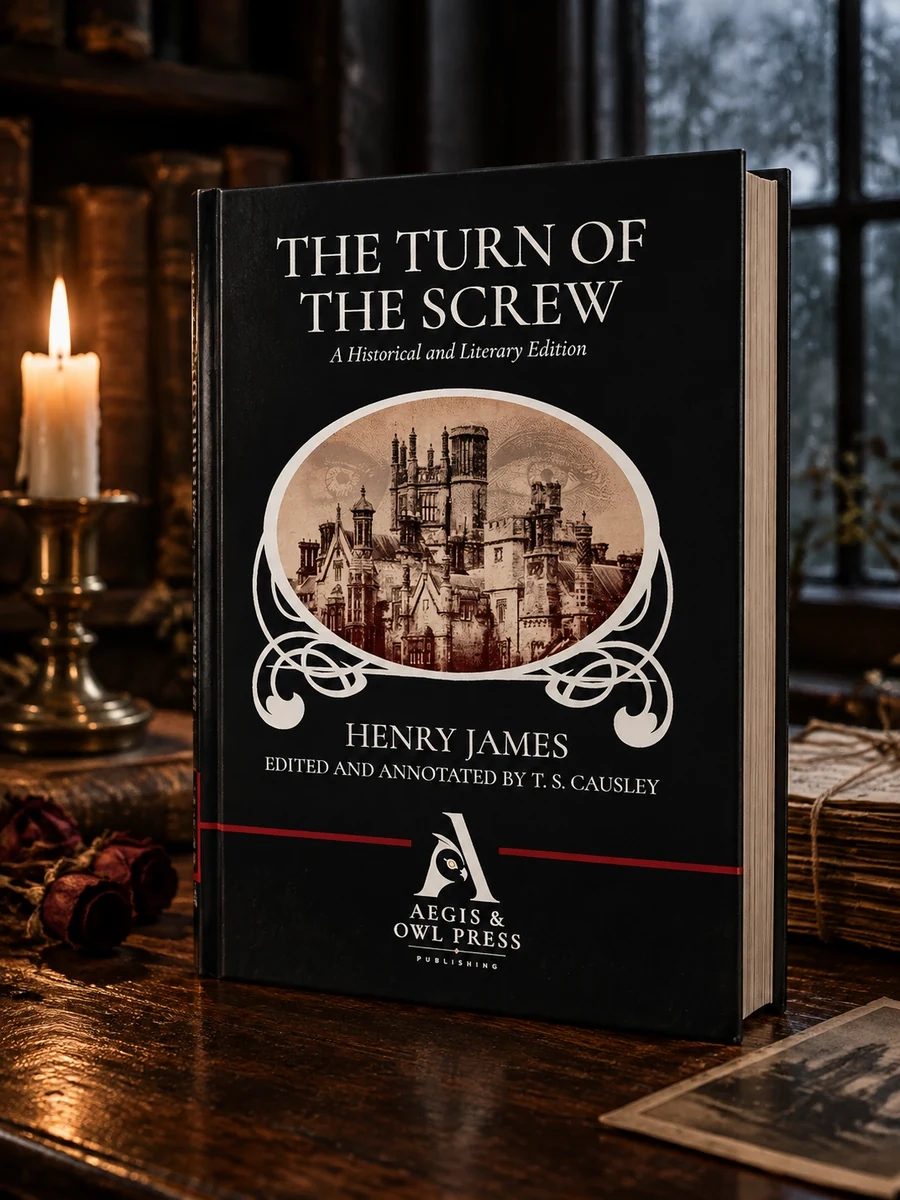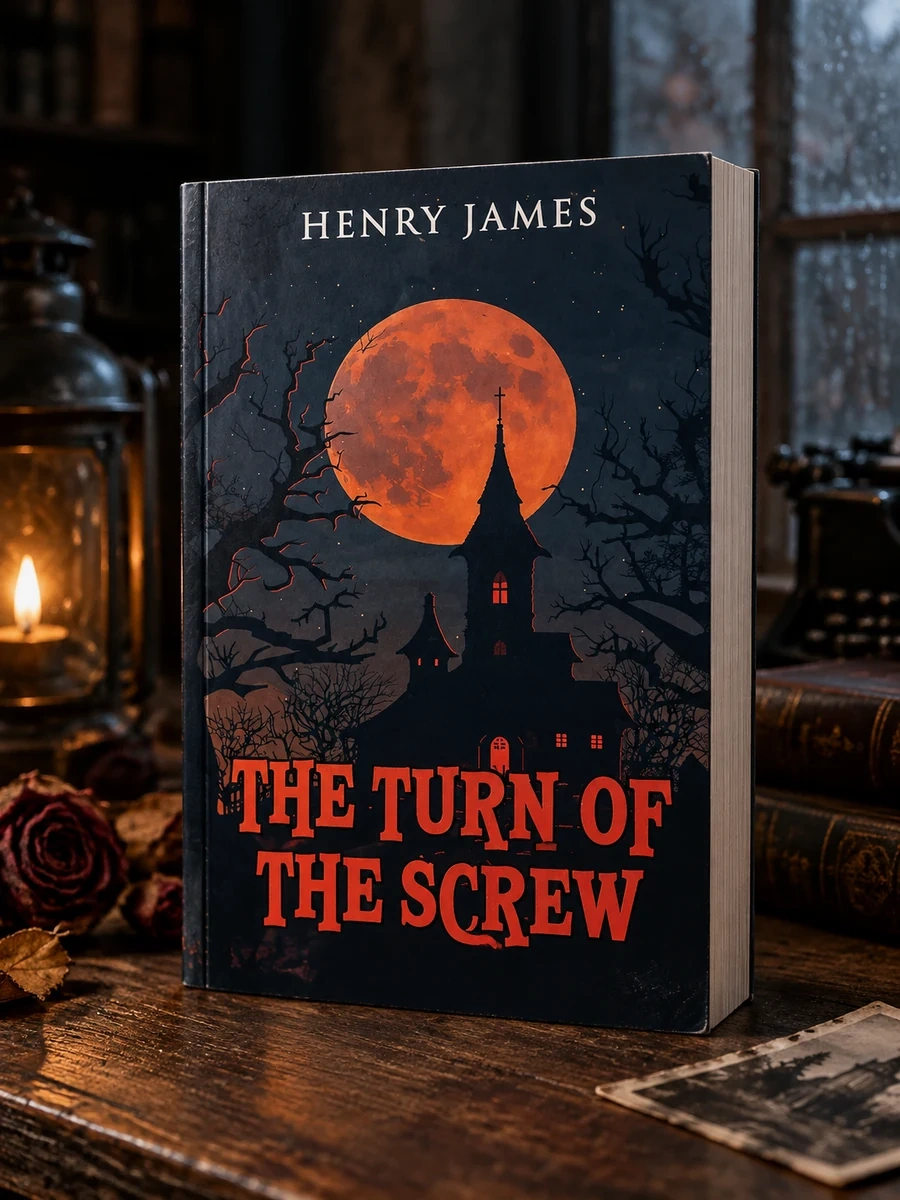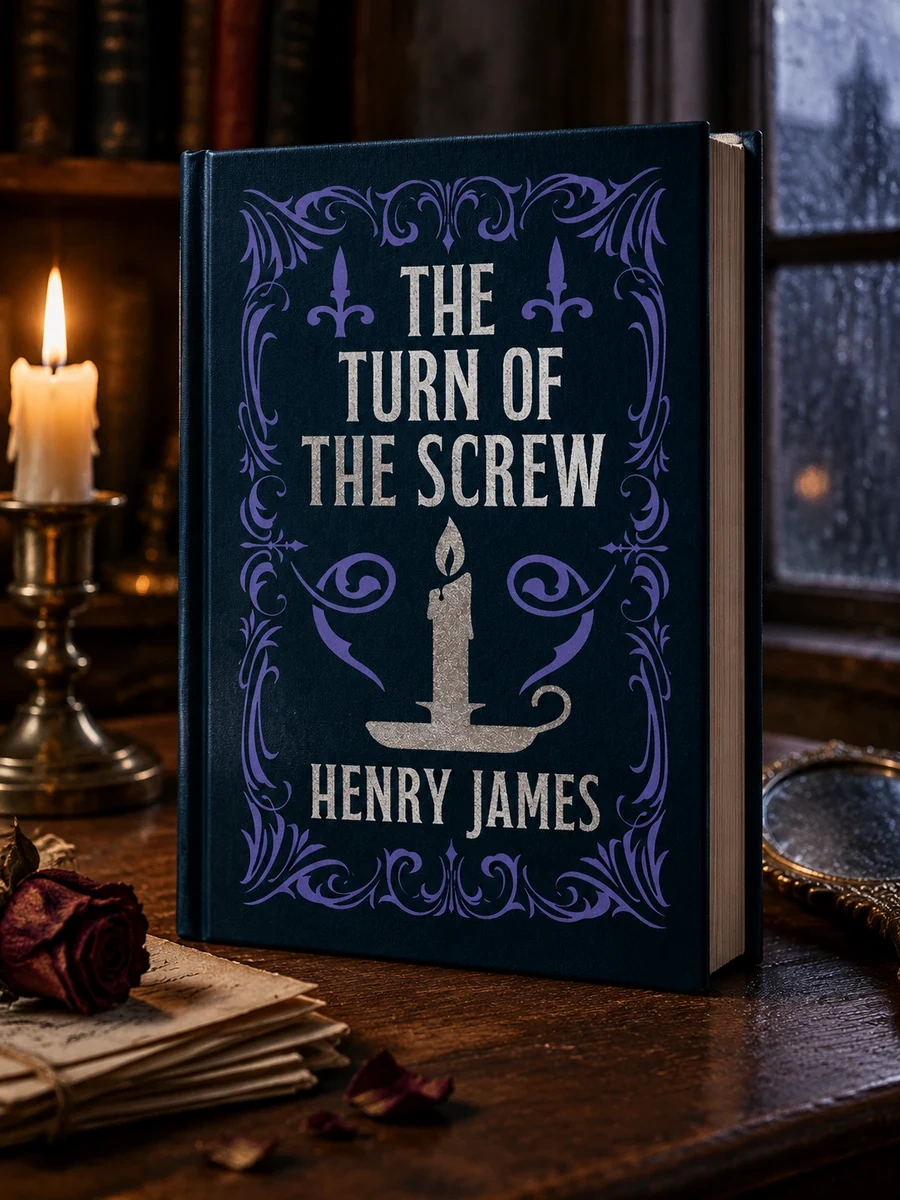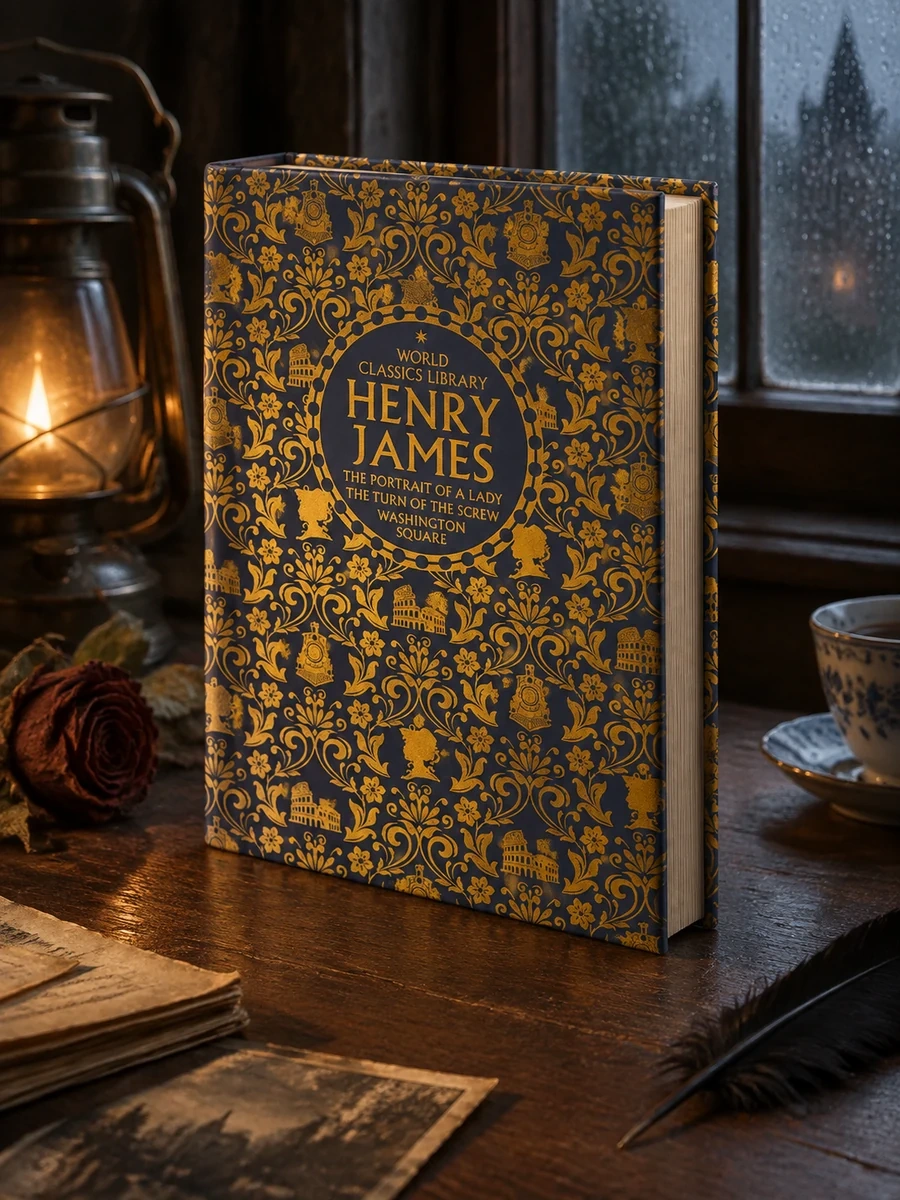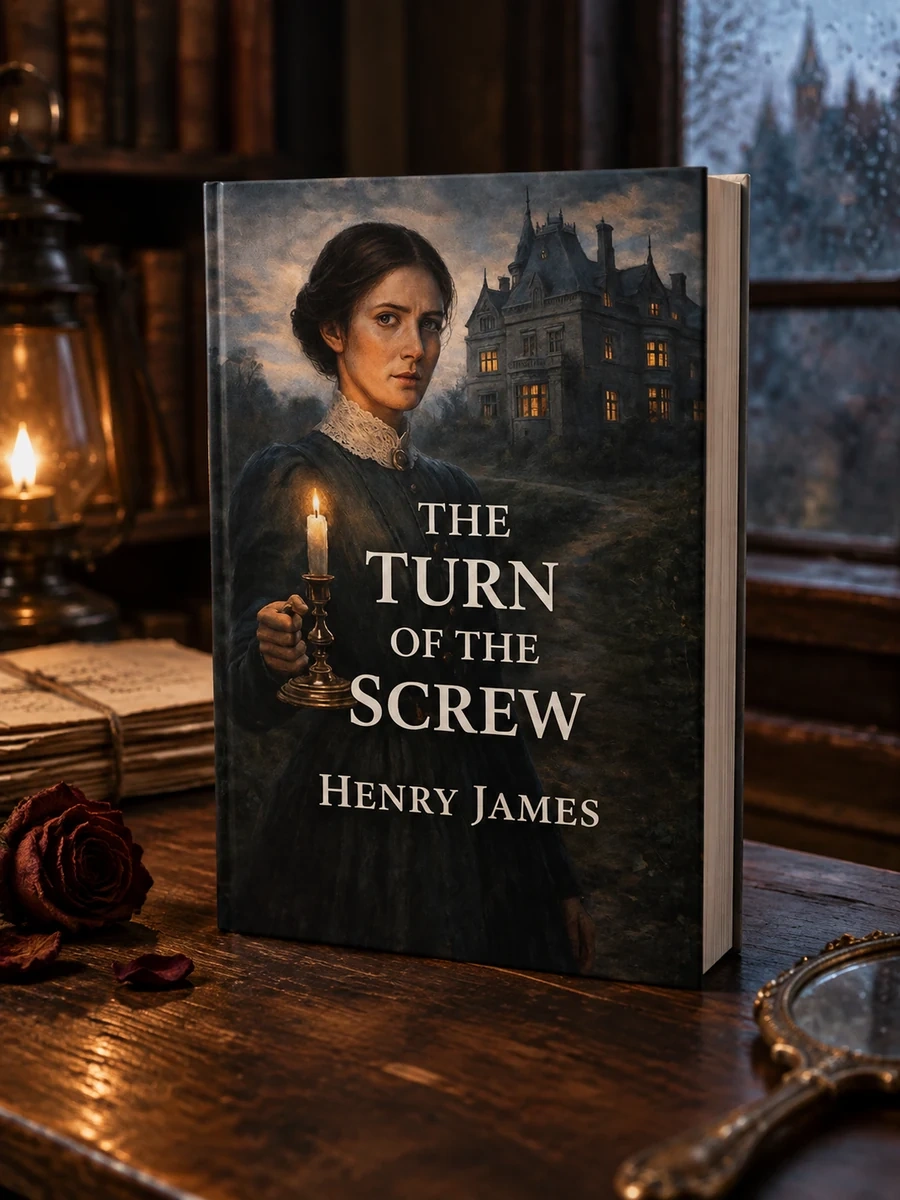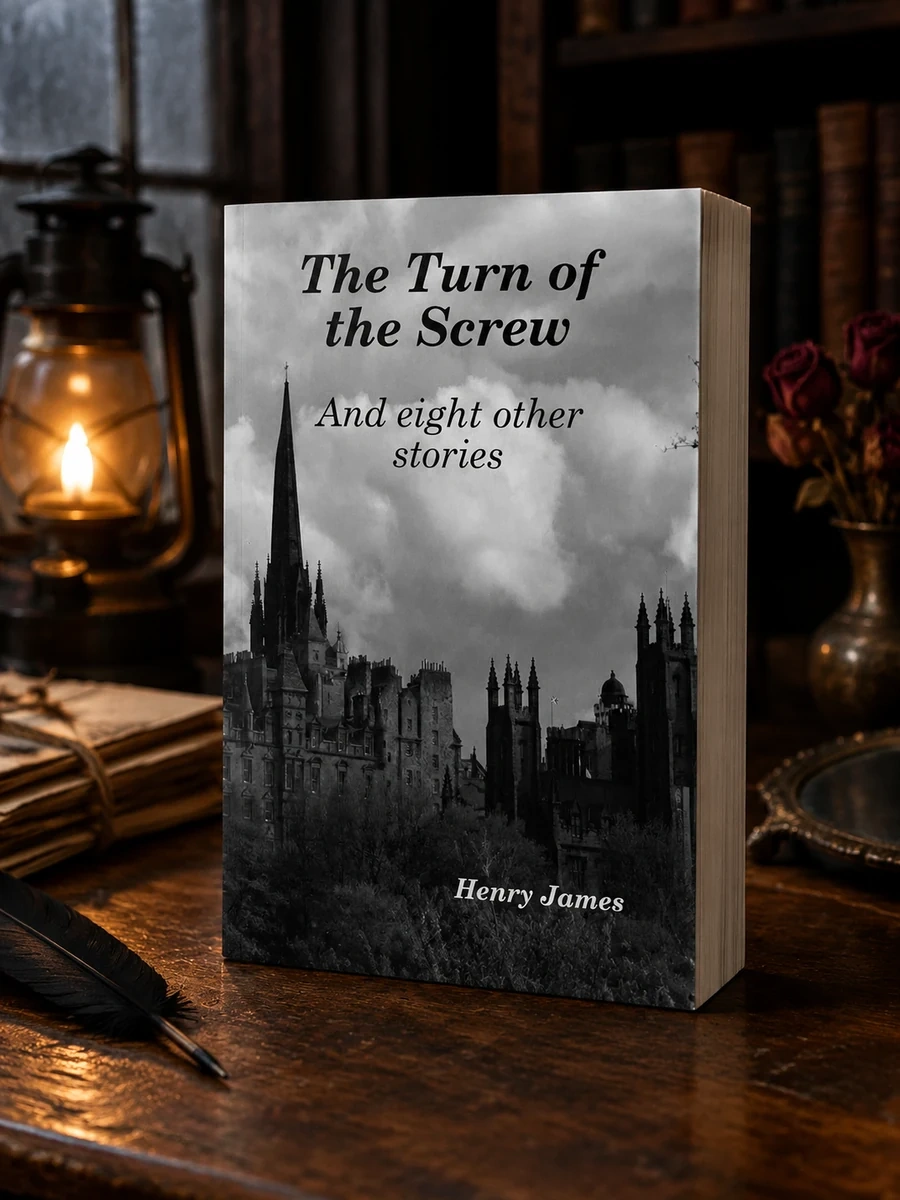
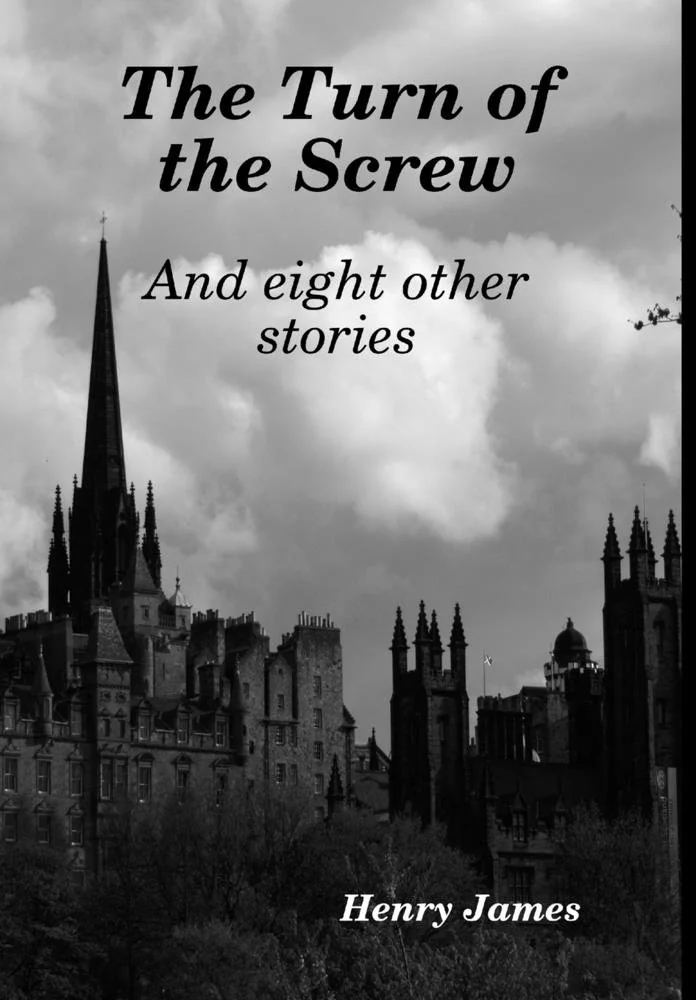
The Turn of the Screw
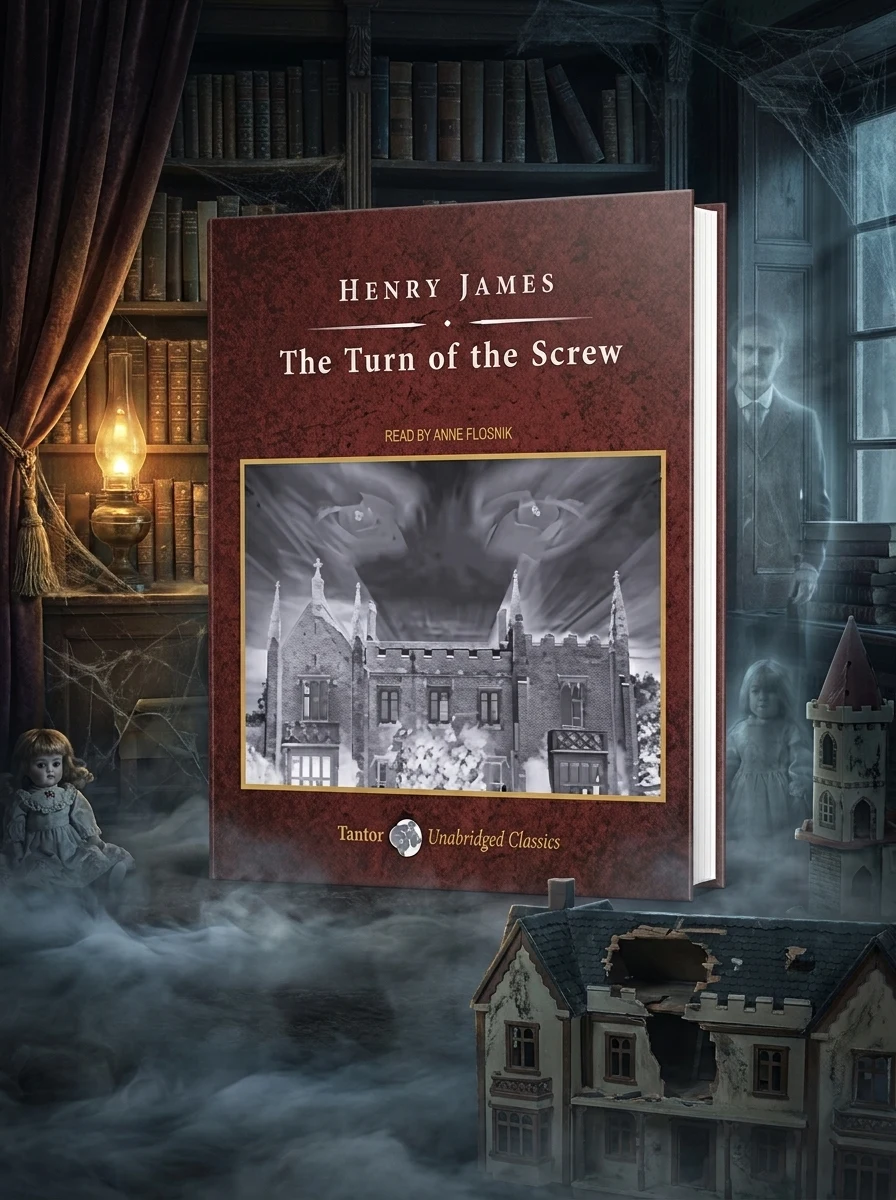
A governess battles unseen forces threatening two children at a haunted estate.
James constructs a narrative where reality and perception blur dangerously. The story focuses on the psychological state of the protagonist as she interprets signs of haunting. Her isolation at the forlorn estate amplifies her fears. The relationship between the children and the spectral presences is central to the plot. Their lack of fear suggests a deeper, more disturbing connection than simple victimization. The prose style demands attention to subtle shifts in tone and implication. This approach creates an enduring sense of unease that lingers long after reading.
Published in 2014 by Lulu.com, this edition preserves James’s late nineteenth-century gothic tradition. It reflects the era’s fascination with the boundary between sanity and madness. The work remains a cornerstone of American supernatural fiction.


📝 Description: The Turn of the Screw
💎 Our verdict on The Turn of the Screw
📖 Why choose it
Why this book is worth reading
Readers who appreciate slow-building tension and complex character psychology will find profound value in this narrative. The book offers an intricate exploration of supernatural ambiguity, allowing audiences to engage with the protagonist's deteriorating mental state. Those who enjoy analyzing subtle shifts in tone and implication will delight in the text’s atmospheric detail. It suits individuals interested in the intersection of moral corruption and spectral influence. By focusing on perception rather than explicit horror tropes, it provides an enduring sense of unease. The story rewards careful attention to the dynamic between the children and unseen forces, offering a disturbing look at isolation and fear without resorting to cheap scares or clear explanations.
⭐ Reader reviews
Reader rating
Henry James constructs a masterful study of psychological dread where reality and perception blur dangerously. The narrative excels in creating an oppressive atmosphere through subtle prose rather than explicit violence. The governess’s isolation amplifies her fears, making the haunting feel deeply personal and intrusive. The children’s lack of terror regarding the spectral presences adds a disturbing layer to the plot, suggesting a complex connection beyond simple victimization. This approach demands patience but rewards attentive readers with a lingering sense of unease. It is best suited for those who prefer intellectual engagement over fast-paced action. While some may find the ambiguity frustrating, others will appreciate the nuanced exploration of moral corruption and the terrifying power of suggestion in this classic tale.