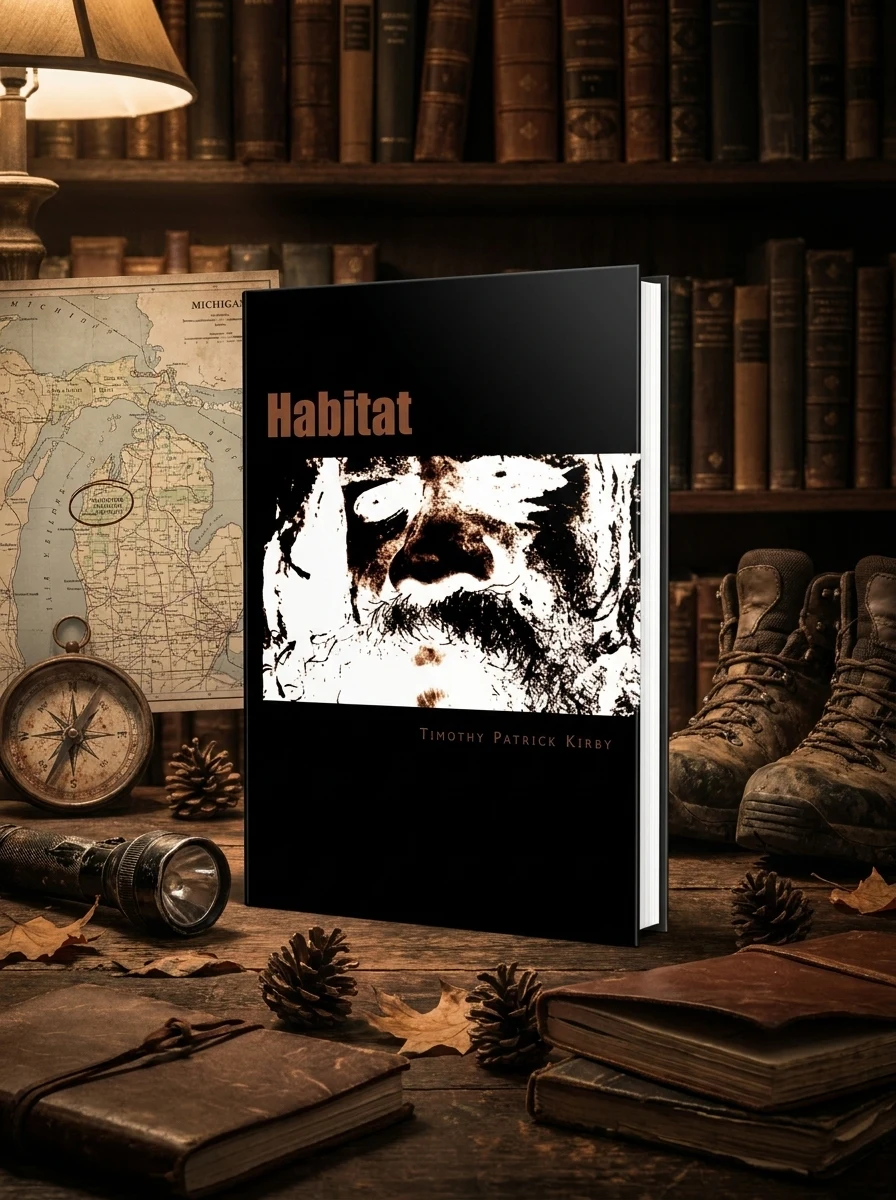
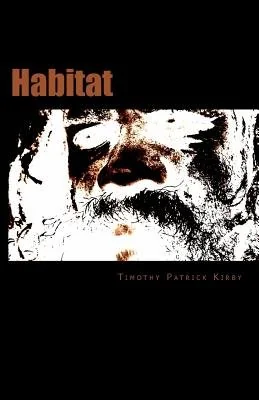
Habitat
A sequel following a sister's desperate search for her abducted brother in Michigan woods.
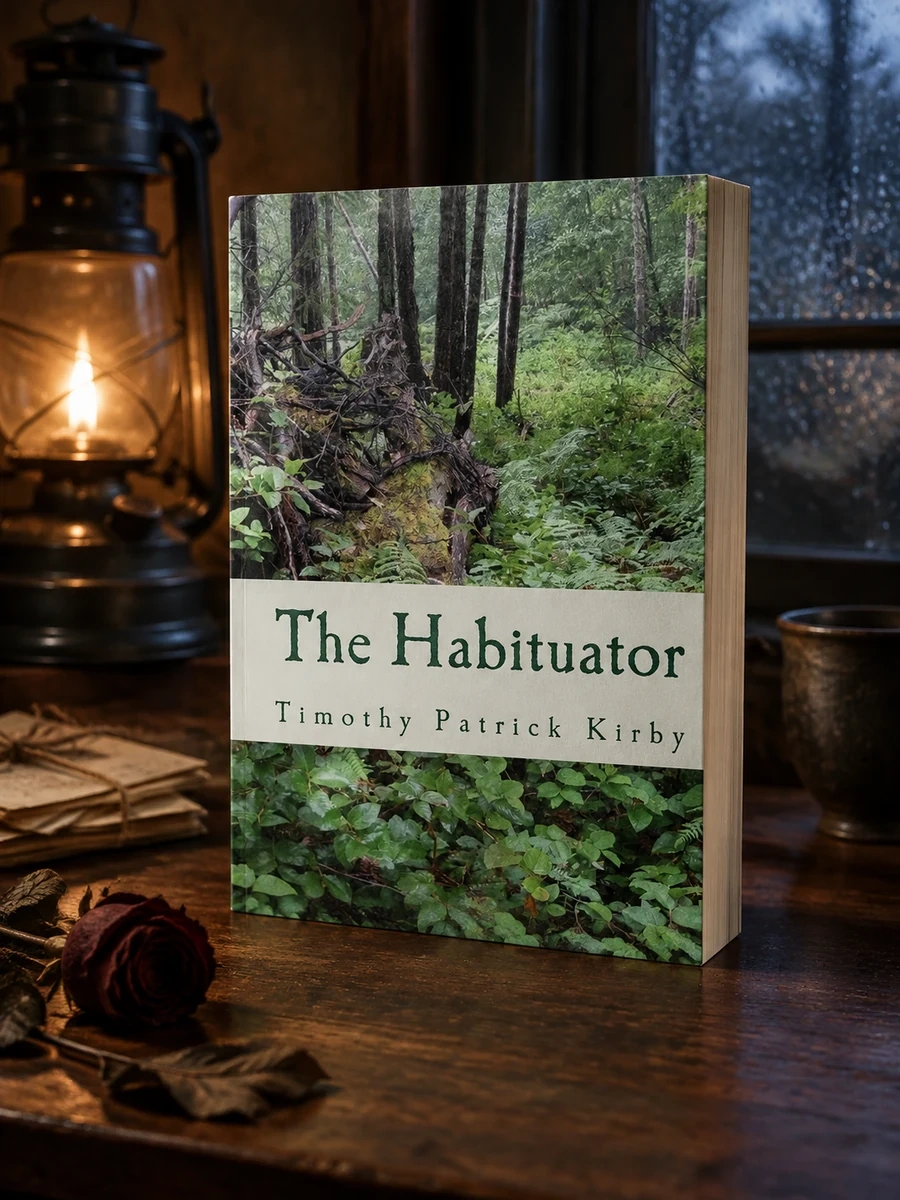
The narrative centers on Jill Duffy and Mark Zucker as they investigate the disappearance of Rusty Kellerman. After official searches fail, a found item from the Manistee National Forest prompts a new expedition. The pair enters the wilderness to find Rusty, who was taken by Sasquatch in 2010. Kirby structures the plot around their efforts to uncover the truth behind the abduction. The story relies on the tension between hope and the harsh reality of the forest environment. It continues the specific storyline introduced in The Habitator without requiring extensive background knowledge for those familiar with the series.
This novel sits within the American Sasquatch horror tradition, specifically focusing on Michigan folklore. It draws on the Manistee National Forest setting and references the Michigan Bigfoot Research Center as a key organizational element in the plot.


📝 Description: Habitat
💎 Our verdict on Habitat
📖 Why choose it
Why this book is worth reading
Readers who enjoy creature features and regional folklore will find this sequel rewarding for its deep immersion into the Manistee National Forest setting. The narrative offers a compelling emotional core through Jill Duffy’s desperate search for her brother, blending hope with the harsh reality of the wilderness. Fans of Sasquatch legends will appreciate the specific details regarding Michigan lore and the continuation of the established storyline. Those seeking to explore the tension between belief and evidence in horror fiction will find Kirby’s grounded perspective engaging. The book provides a focused look at private investigation versus official failure, appealing to those who prefer character-driven plots within the cosmic and psychological horror framework without requiring extensive prior knowledge.
⭐ Reader reviews
Reader rating
Kirby delivers a tense continuation of his Sasquatch narrative, focusing on the emotional stakes of a sister’s quest rather than academic debate. The text excels in building atmosphere through the harsh Michigan wilderness, effectively contrasting hope with environmental danger. While it lacks scientific analysis, it succeeds as a fictional creature feature for fans of Bigfoot lore. Readers who prioritize character-driven horror and regional folklore over non-fiction accuracy will find this engaging. The narrative structure supports its themes well, though those expecting detailed forensic investigation may be less satisfied. It serves as an accessible entry point for those familiar with the series or new to the specific Michigan setting.