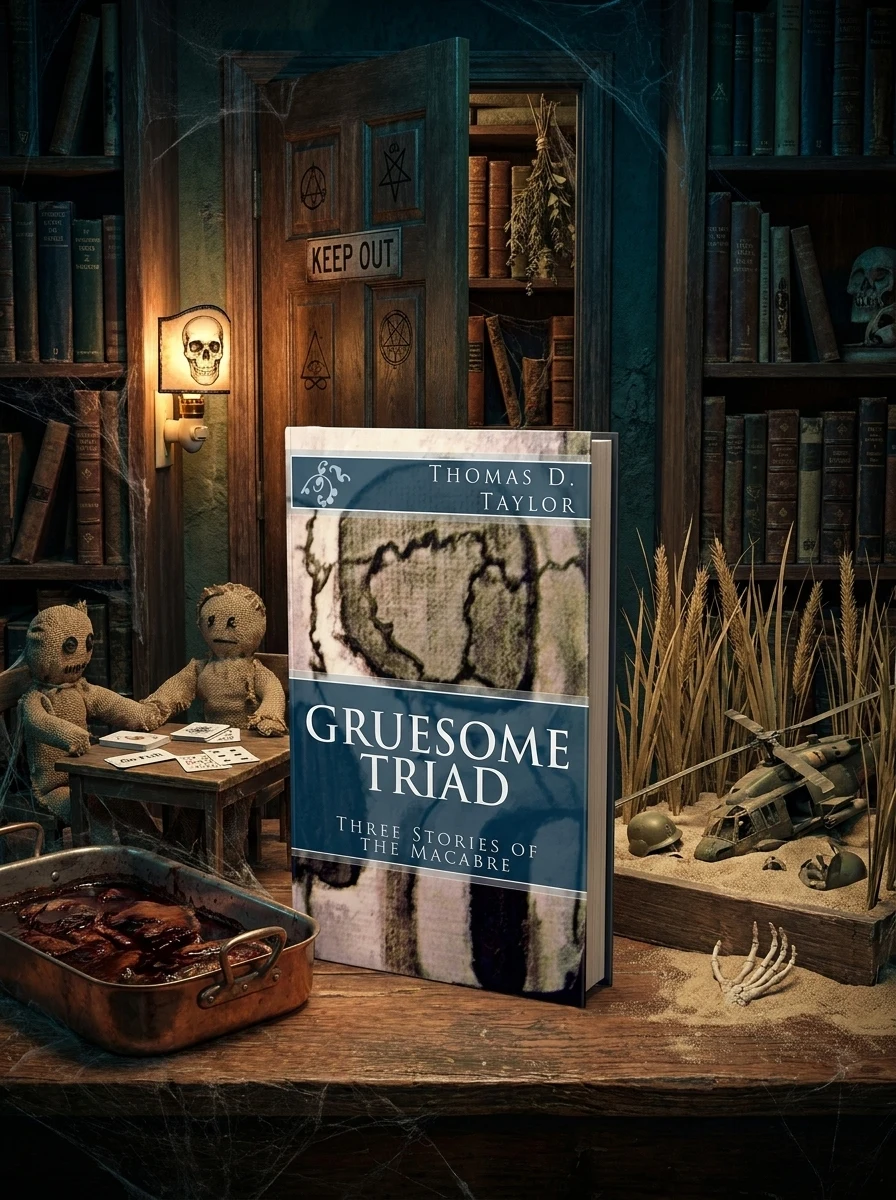
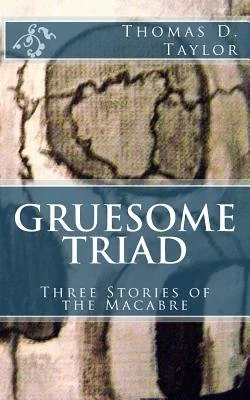
Gruesome Triad: Three Stories of the Macabre
Thomas D Taylor delivers three unrelenting horror tales focused on moral ambiguity and inevitable doom.
This anthology rejects the comfort of redemption for its characters. Taylor examines how ordinary people react when faced with absolute horror. The Plague shows the rapid collapse of civility. Matters of Faith reveals the cost of hiding dark truths. The Sand Phantom demonstrates the futility of trying to recover what is lost in nature. Each story operates as a cautionary tale about the limits of human morality. The narrative voice remains steady and direct, allowing the events to speak for themselves. There are no twists designed to surprise, only outcomes that feel inevitable. The book suits readers who prefer psychological weight over jump scares. It may not appeal to those who require hope or closure in their fiction.
The work sits within the American independent publishing landscape of 2012. Taylor utilizes the Createspace platform to distribute this collection. The stories draw on settings ranging from domestic cabins to the Vietnam War, reflecting a broad scope of macabre traditions.


📝 Description: Gruesome Triad: Three Stories of the Macabre
💎 Our verdict on Gruesome Triad: Three Stories of the Macabre
📖 Why choose it
Why this book is worth reading
Readers who appreciate psychological weight over jump scares will find this anthology compelling. It suits those interested in moral ambiguity and the collapse of civility under pressure. The steady narrative voice allows events to speak for themselves, creating a sense of inevitable doom. Those seeking character-driven dread and the consequences of hidden truths will engage deeply with these tales. The book avoids traditional resolutions, offering a lingering unease that lingers long after reading. It is ideal for individuals who prefer unrelenting horror without the comfort of redemption or closure.
⭐ Reader reviews
Reader rating
Thomas D Taylor delivers three unrelenting horror tales that reject the comfort of redemption for their characters. By examining how ordinary people react to absolute horror, the anthology emphasizes moral ambiguity and inevitable doom. The Plague depicts the rapid collapse of civility, while Matters of Faith explores the cost of hiding dark truths. The Sand Phantom demonstrates the futility of recovering what is lost in nature. Taylor’s steady narrative voice allows the events to speak for themselves without designed twists. This collection suits readers who prefer psychological weight over simple scares. It may not appeal to those requiring hope or closure, but it offers a potent exploration of human morality's limits.