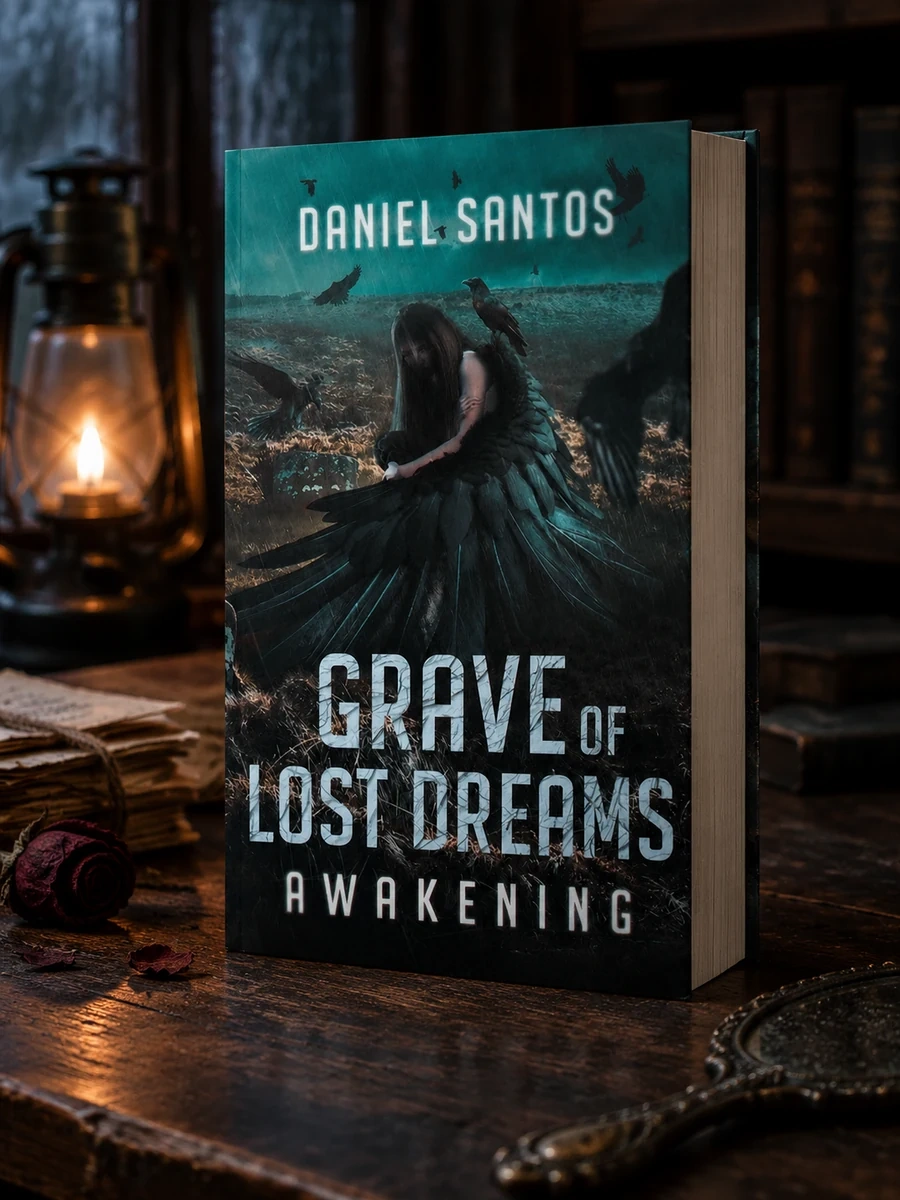
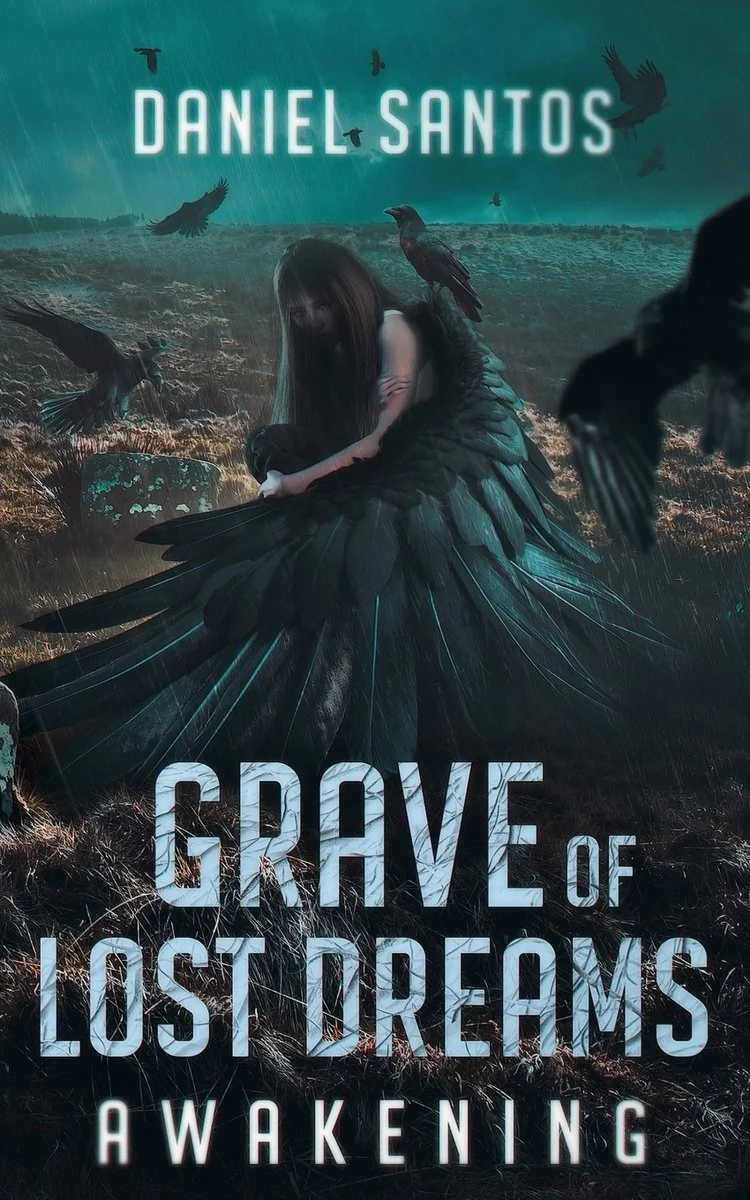
Grave of Lost Dreams Awakening
A prequel exploring religious coercion and supernatural awakening in a secluded town.
Santos presents a narrative where faith ends and fanaticism begins. Dabria, revered as Anahita’s descendant, faces pressure from Father Flynn to produce an heir. Her refusal triggers the awakening of ancestral powers. The plot shifts from spiritual guidance to physical conflict within Aurora Pines. The story highlights the tension between individual desire and institutional demand. It offers a dark examination of how power structures consume those they claim to protect.
This work is published by Daniel Santos on January 21, 2026. It draws on themes of the Goddess Anahita and church hierarchy. The setting is the fictional town of Aurora Pines. The narrative examines supernatural fiction through a lens of religious fanaticism.


📝 Description: Grave of Lost Dreams Awakening
💎 Our verdict on Grave of Lost Dreams Awakening
📖 Why choose it
Why this book is worth reading
This book is ideal for readers who appreciate complex explorations of religious coercion and the erosion of personal agency within a supernatural framework. Those drawn to dark fantasy and gothic fiction will find value in its unsettling tone and examination of how power structures consume individuals claiming protection. It offers a compelling look at the tension between individual desire and institutional demand, making it suitable for audiences interested in psychological horror and the violent consequences of resisting divine expectation. Readers seeking lighthearted or purely historical horror may prefer other titles, but this work provides a thought-provoking narrative on faith and fanaticism.
⭐ Reader reviews
Reader rating
Daniel Santos delivers a chilling prequel that masterfully examines the thin line between faith and fanaticism. The narrative centers on Dabria, whose refusal to surrender autonomy triggers a supernatural awakening in the secluded town of Aurora Pines. Santos effectively contrasts the fanatics, the faithful, and the unfaithful, creating a chaotic struggle for control that highlights the psychological cost of divine expectation. The work succeeds in its dark examination of how power structures consume those they claim to protect. It suits readers interested in stories about religious coercion and the loss of personal agency. While not suitable for those seeking lighthearted horror, it offers a compelling, unsettling tone perfect for fans of gothic fiction with strong supernatural elements.


![BETWEEN THE FLOWERS AND BLOOD [ The REMNANTS - Book ONE ]](/img/between-the-flowers-and-blood-the-remnants-book-one-84323-scene.webp)