Gore Orphanage
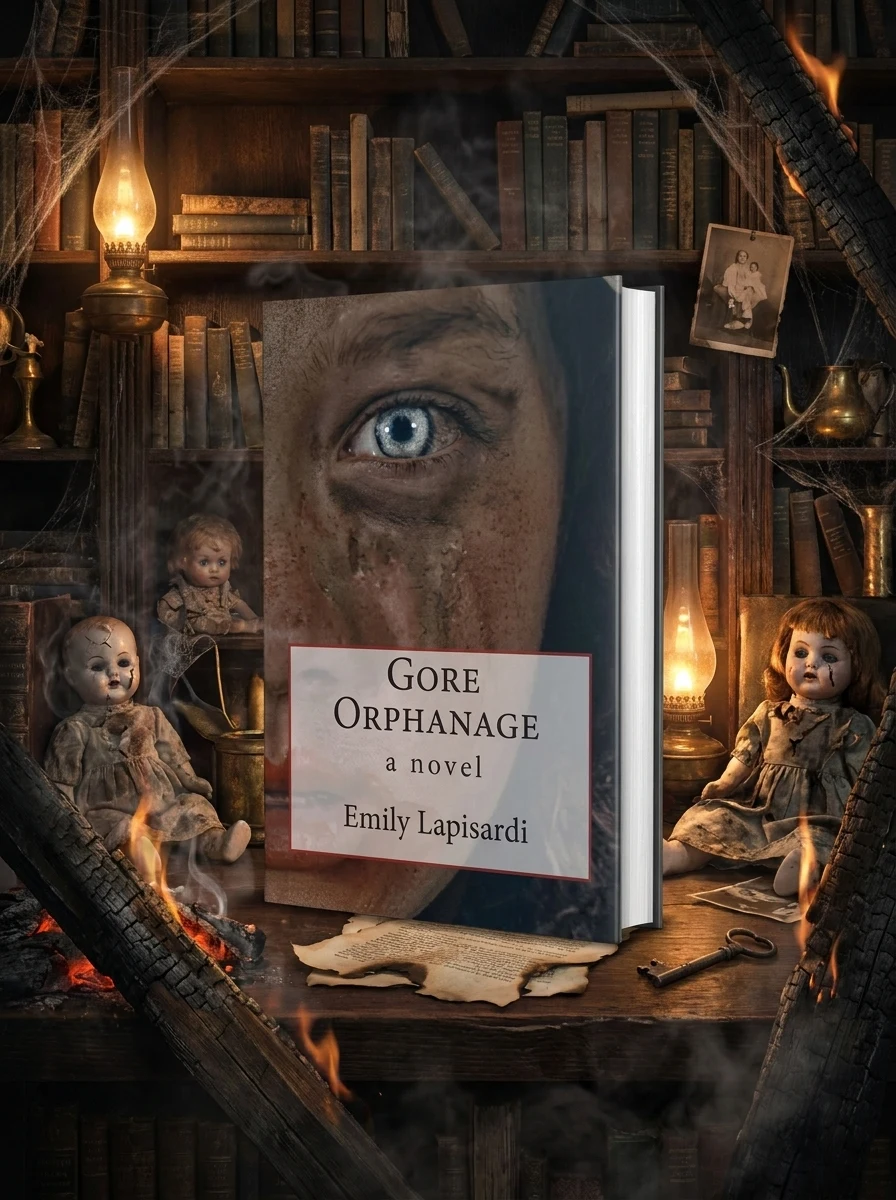
A female-centric horror novel based on an Ohio urban legend about a dangerous orphanage.
The story follows Nellie as she enters the Gore Orphanage under the control of Victoria Gore Pryor. The author uses this setting to explore themes of institutional neglect and the breakdown of care systems for abandoned children. Fire is introduced as a recurring motif that cleanses and destroys simultaneously. Lapisardi writes with a clear focus on female audiences, addressing the delicate nature of child-rearing in hostile environments. The narrative draws directly from regional folklore rather than creating a new mythos. It presents a grim view of what happens when support structures fail. The tone is serious and focused on the psychological impact of danger. Readers interested in the intersection of urban legends and domestic horror will find this work relevant.
The book draws inspiration from an Ohio urban legend, situating itself within American folklore traditions. Published in 2015 by Principalities of Darkness LLC, it addresses the breakdown of support systems for vulnerable youth. The work engages with female-centric horror, targeting a specific demographic interested in gendered supernatural narratives.


📝 Description: Gore Orphanage
💎 Our verdict on Gore Orphanage
📖 Why choose it
Why this book is worth reading
Readers interested in the intersection of urban legends and domestic horror will find this work relevant. It offers a focused examination of neglect and fear within a confined setting, appealing to those who enjoy female-centric horror fiction and stories about orphanages with dark secrets. The narrative provides a stark look at institutional failure through a supernatural lens, addressing the delicate nature of child-rearing in hostile environments. Those seeking a serious tone regarding the psychological impact of danger will appreciate this grounded approach.
⭐ Reader reviews
Reader rating
Lapisardi presents a grim view of what happens when support structures fail for abandoned children. The narrative centers on Nellie under Victoria Gore Pryor’s control, using fire as a recurring motif that cleanses and destroys simultaneously. This work does not shy away from harsh realities, offering a serious exploration of gendered experiences within horror. It suits readers who prefer psychological depth over traditional slasher tropes. By drawing directly from regional folklore, the book avoids broad generalizations, providing a focused and intense reading experience for those concerned with institutional collapse.