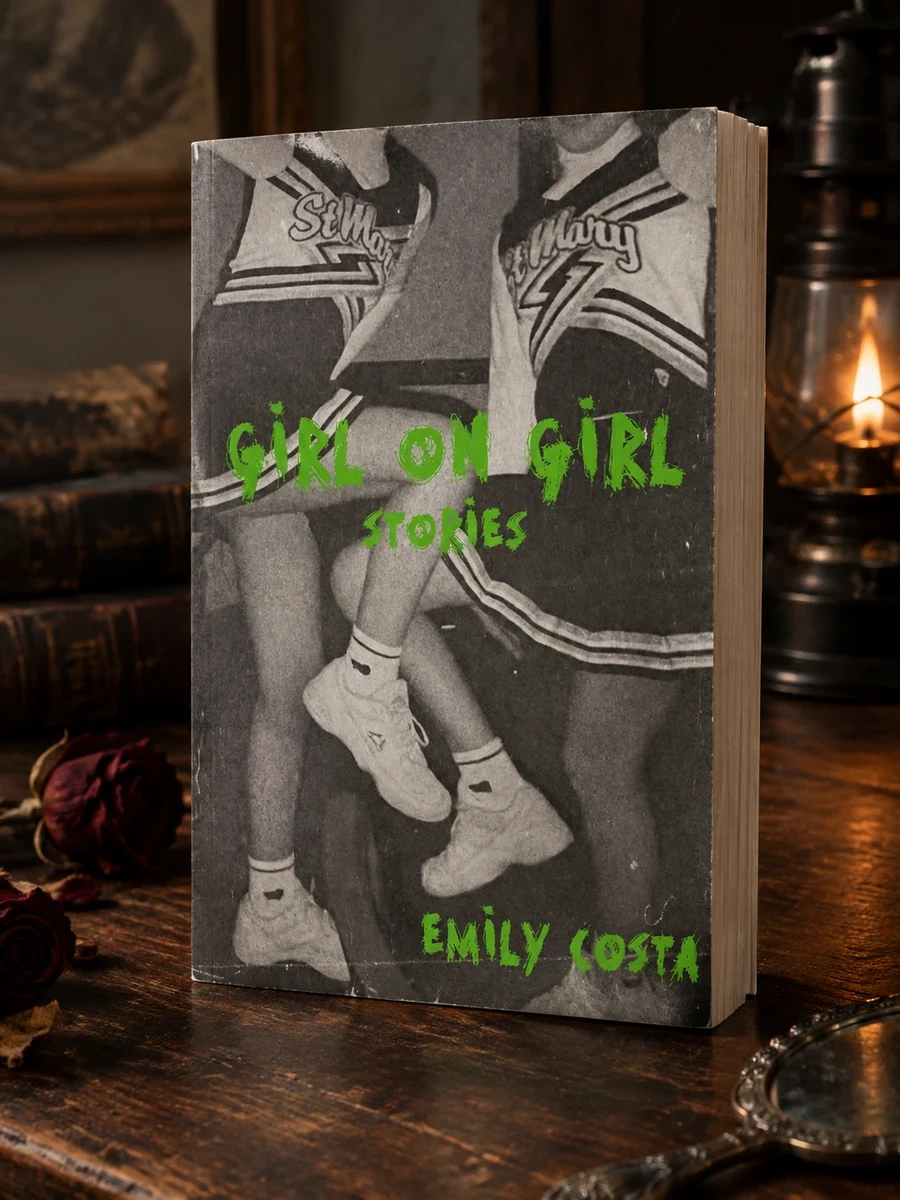
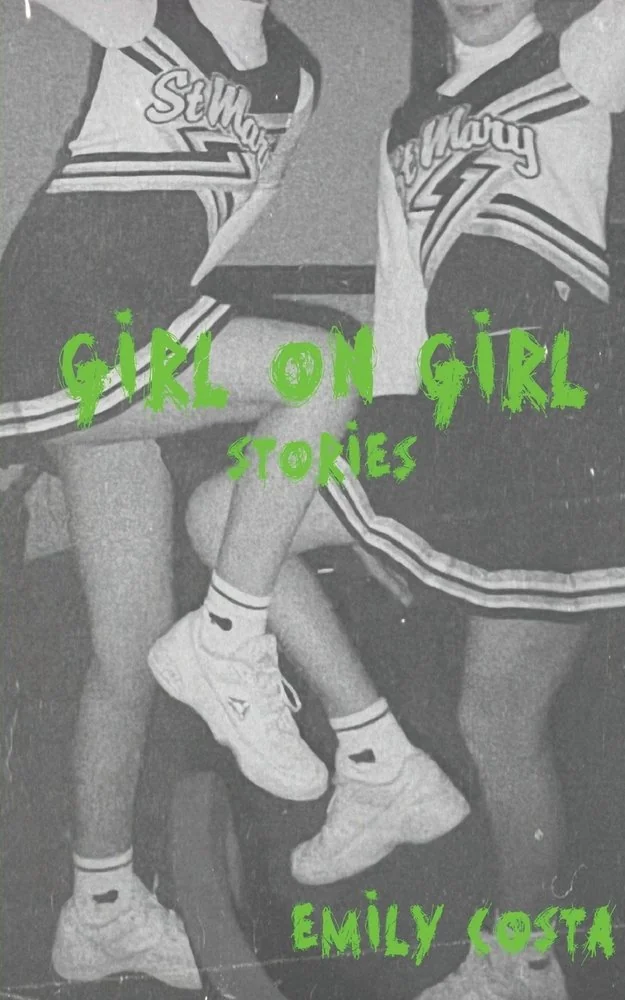
Girl On Girl: Stories
A collection of stories about young women navigating loneliness and cruelty.
Costa uses short fiction to dissect the pain of social isolation among young women. The stories highlight how screen obsession and casual cruelty affect their daily lives. Nostalgia is portrayed not as comfort but as a source of slow poisoning. The work focuses on the desperation to be recognized by peers. It avoids supernatural elements in favor of realistic emotional horror. The structure allows for a deep look at specific moments of failure and longing.
Published by Rejection Letters Press in December 2024, this work sits within the contemporary landscape of horror and gothic fiction. It addresses modern anxieties about visibility and social connection. The book reflects current cultural discussions on digital life and interpersonal dynamics.


📝 Description: Girl On Girl: Stories
💎 Our verdict on Girl On Girl: Stories
📖 Why choose it
Why this book is worth reading
This collection suits readers who appreciate character-driven narratives that focus on psychological tension and modern interpretations of gothic themes. Readers gain insight into the quiet moments of despair as the stories examine the complicated lives of girls and women navigating loneliness, social isolation, and screen obsession. The interconnected structure allows for a deep look at specific moments of failure, longing, casual cruelty, and the feeling of peaking in high school or earlier. It appeals to those interested in the pain of hating friends or loving them too much, as well as how nostalgia can become a poisonous force over time. However, readers looking for traditional monster hunts or fast-paced action may find the slow burn unsatisfying.
⭐ Reader reviews
Reader rating
Emily Costa’s collection successfully captures the specific weight of being overlooked through a series of interconnected stories rather than a single continuous plot. The work excels at dissecting the pain of social isolation, screen obsession, and casual cruelty among young women, showing how nostalgia acts as a source of slow poisoning rather than comfort. By avoiding supernatural elements in favor of realistic emotional horror and internal isolation, the narratives require patience and an interest in quiet despair. It is an ideal read for those who enjoy character-driven explorations of psychological tension, desperation to be recognized by peers, and contemporary digital-age anxieties. Those seeking fast-paced action or traditional monster tropes should look elsewhere, but patient readers will find a resonant, deeply observant volume.
You might also like
See more →







Have a question about this item?
Ask about the edition, condition, delivery or anything else — we reply by email or phone, usually within a day.
