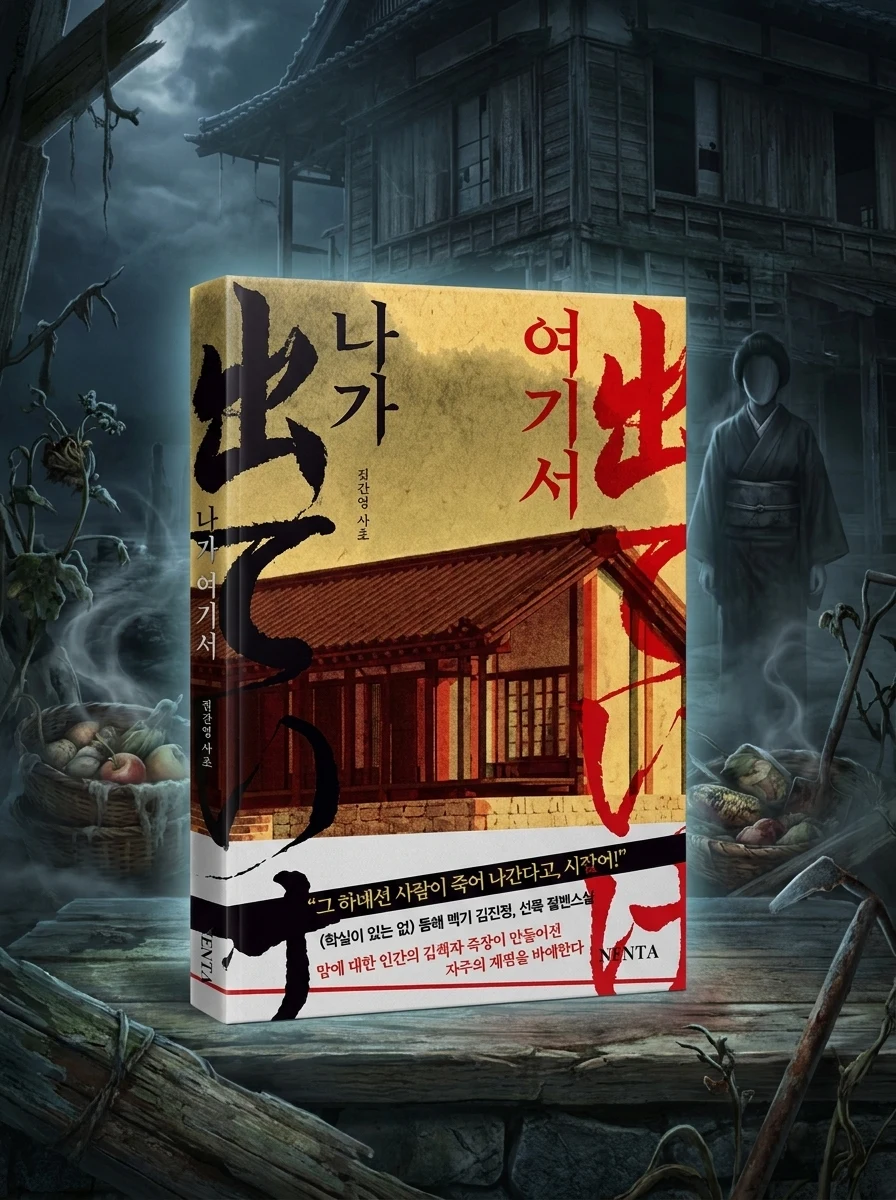
Get Out of Here
Currently unavailable
This book is sold out right now. Leave your email — we'll let you know if it comes back, and you'll get 10% off any book today.
In stock now — readers of this book also loved:





A man inherits haunted land and builds a cafe where food rots and ghosts appear.
This work focuses on the psychological toll of receiving unexpected property after a family tragedy. Hyeon Yeong’s attempt to rebuild his life through commerce is thwarted by phenomena that suggest the land itself is resisting his presence. The horror emerges from the domestic sphere, affecting his marriage and his sanity. The text connects contemporary anxieties about economic instability with historical grievances from the colonial period. It is not a tale of simple revenge but a complex look at how guilt is inherited alongside land.
The narrative bridges the Japanese colonial era and modern times, exploring how historical trauma lingers in physical spaces. It reflects on Korean experiences of inheritance and memory during a period of significant political change.


📝 Description: Get Out of Here
💎 Our verdict on Get Out of Here
📖 Why choose it
Why this book is worth reading
Readers interested in psychological horror that prioritizes atmosphere over action will find this work deeply rewarding. It appeals to those who enjoy stories where the environment itself acts as a character, reflecting internal guilt and historical trauma. Fans of slow-burn narratives that examine the intersection of family dynamics, economic instability, and supernatural elements will appreciate its deliberate pacing. The book offers a complex look at how memory consumes the living, making it ideal for audiences seeking depth in horror fiction rather than simple scares.
⭐ Reader reviews
Reader rating
Jin Yeong Kim delivers a haunting exploration of inheritance and guilt, using the decay of a seaside cafe to mirror the protagonist’s crumbling sanity. The novel excels in blending domestic horror with historical context, creating a sense of dread that feels both personal and systemic. By avoiding jump scares, it forces readers to confront the slow erosion of reality alongside Hyeon Yeong. This approach suits those who prefer psychological depth over traditional ghost story tropes. However, readers seeking fast-paced action may find the deliberate pacing too slow. Ultimately, it is a sophisticated study of how land holds memory and how that memory can destroy the present.
You might also like
See more →

Have a question about this item?
Ask about the edition, condition, delivery or anything else — we reply by email or phone, usually within a day.
