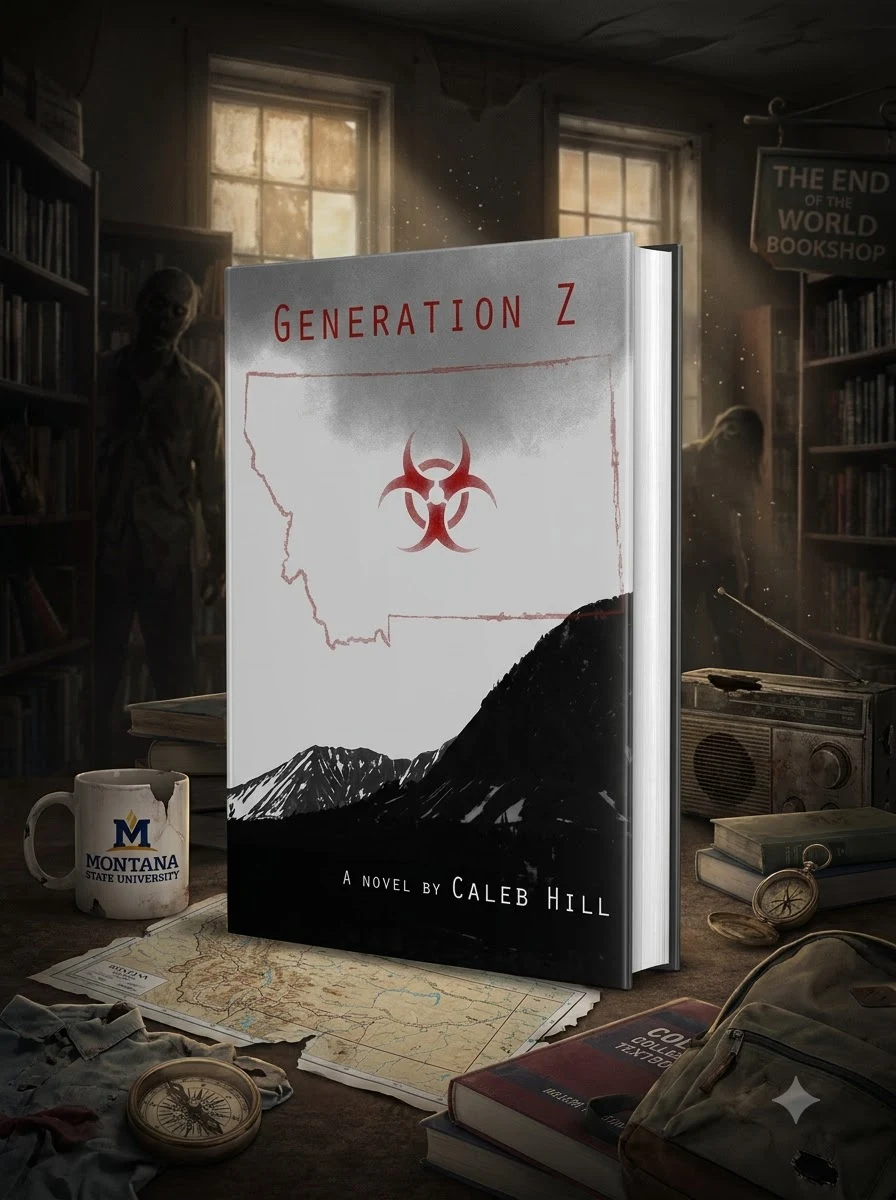
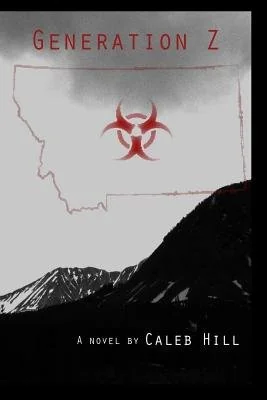
Generation Z
A college student’s journey through a zombie apocalypse reveals his inner decay.
Nick Jerritt starts as a Montana college student with a safe existence. When the dead rise, his world fractures instantly. He travels home alone, driven by an unknown impulse. Along the route, he loses friends and gains enemies. The story focuses on his internal struggle against madness and destruction. Hill uses this setting to explore how individuals maintain hope or lose themselves during collapse. The narrative avoids heroic tropes in favor of raw survival and psychological erosion.
Published in 2013 by Caleb Hill, this work emerges from the peak of modern zombie fiction trends. It reflects early twenty-first century anxieties about social fragility and individual isolation. The setting in Montana provides a specific American backdrop for the global catastrophe described.


📝 Description: Generation Z
💎 Our verdict on Generation Z
📖 Why choose it
Why this book is worth reading
Readers seeking a stark, introspective take on apocalyptic fiction will find value in this narrative. It appeals to those interested in psychological horror and character-driven stories that prioritize internal erosion over traditional heroic tropes. The book offers a raw examination of how individuals maintain hope or lose themselves during total societal breakdown. Those who enjoy exploring themes of madness and destruction through the lens of a dying world will appreciate its lack of easy answers or clear resolutions. It is ideal for fans who prefer contemplating their own potential reactions to collapse rather than reading detailed technical survival guides.
⭐ Reader reviews
Reader rating
Caleb Hill delivers a compelling study of mental disintegration set against a zombie backdrop. The narrative effectively mirrors the protagonist's shift from stability to chaos, offering a raw look at identity loss. While it lacks traditional heroic arcs or technical survival details, this is a deliberate strength for its target audience. It suits readers interested in psychological horror and character-driven apocalyptic fiction. The book succeeds by focusing heavily on internal erosion rather than external action alone. It avoids providing clear resolutions, leaving the reader to contemplate the fragility of civilization and the self.
You might also like
See more →







Have a question about this item?
Ask about the edition, condition, delivery or anything else — we reply by email or phone, usually within a day.
