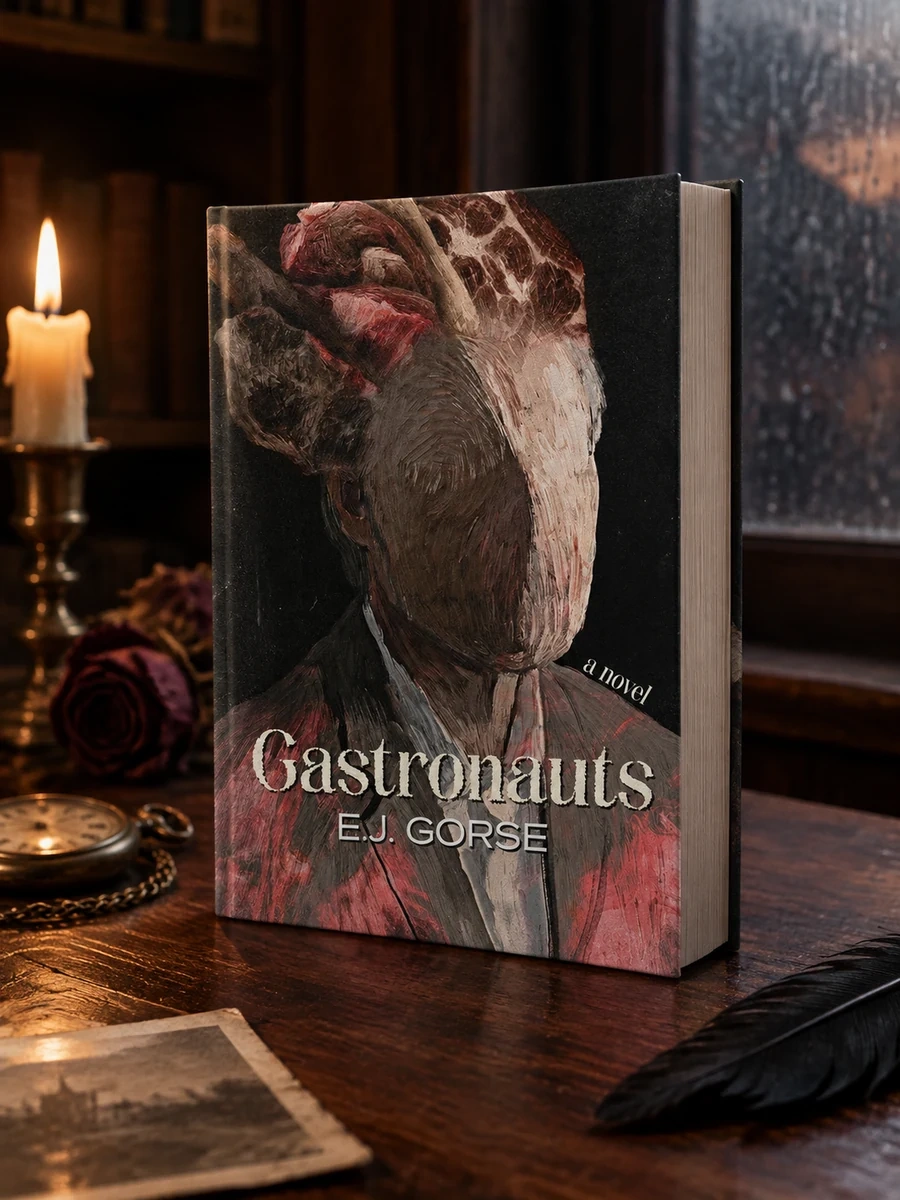
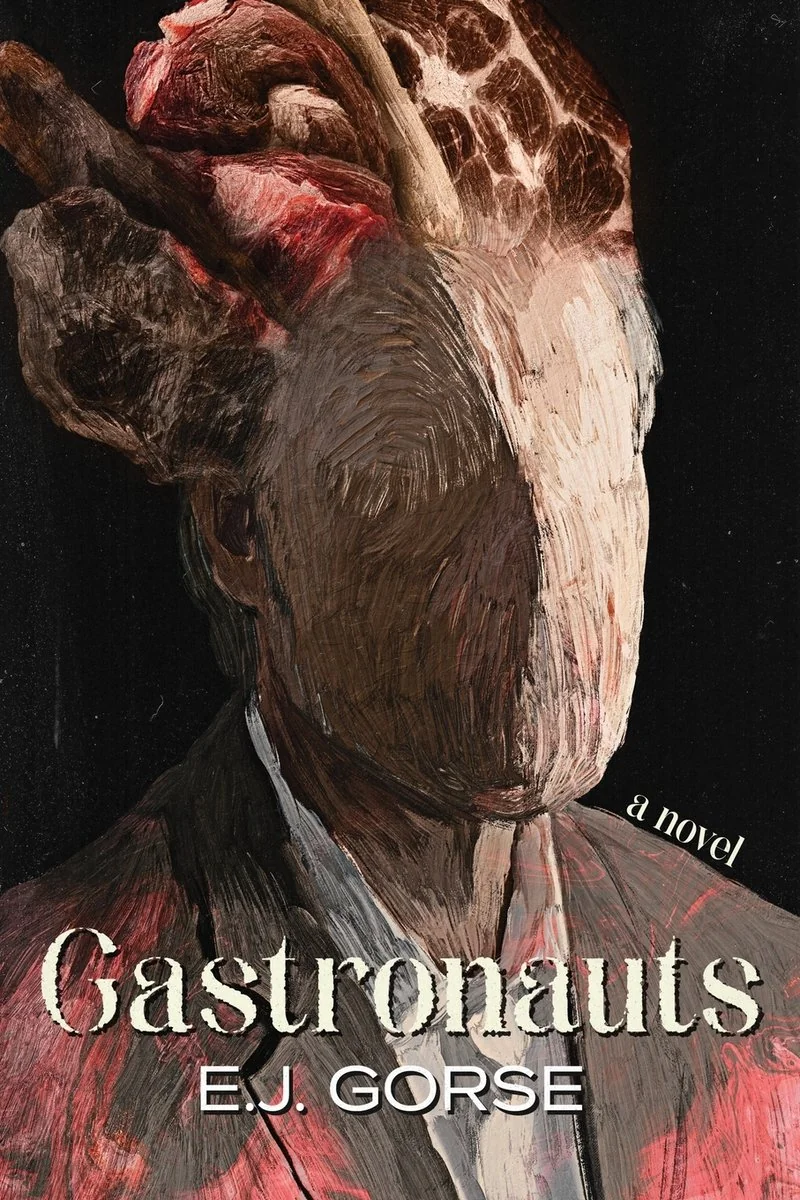
Gastronauts
A recluse joins a cult that finds enlightenment through deliberate food poisoning.
The narrative follows Kerwin Merle, a spoiled man who wants nothing. His isolated life changes when Eleanor arrives during a storm. They share bad meals that make them sick. This sickness draws Gastronauts to his door. These devotees pursue a twisted form of spirituality based on corruption. Kerwin is drawn into their rituals. He seeks transcendence but finds uncertainty. The deeper he goes, the less he knows about his own actions. The story explores how loneliness creates its own madness. It looks at how people construct rituals to face difficult truths. Gorse writes with a focus on the grotesque and the psychological. The plot moves from awkward shelter to horrifying communion.
This work sits within the tradition of gothic and supernatural fiction. It draws on themes of corruption and consumption found in religious texts. The setting is modern, focusing on urban isolation and delivery culture. It challenges traditional culinary appreciation by presenting anti-gourmand practices as a path to enlightenment.


📝 Description: Gastronauts
💎 Our verdict on Gastronauts
📖 Why choose it
Why this book is worth reading
Readers who appreciate the unsettling fusion of psychological horror and grotesque body horror will find this novel deeply rewarding. It offers a chilling exploration of total apathy and how loneliness can construct its own violent rituals. Those interested in narratives where food serves as a vehicle for spiritual decay rather than mere sustenance will be drawn to its unique premise. The book appeals to audiences comfortable with ambiguous moral resolutions and unclear endings, providing a disturbing look at transcendence through corruption. It is ideal for fans of dark fantasy who enjoy having their senses challenged by the grotesque and the psychological, seeking a story where isolation leads inevitably to madness and horrifying communion.
⭐ Reader reviews
Reader rating
E J Gorse crafts a visceral narrative that successfully merges the mundane with the macabre. The transition from awkward shelter to horrifying communion is handled with a focus on the grotesque that lingers long after reading. The depiction of Kerwin’s loss of self amidst the Gastronauts’ rituals effectively conveys the terror of losing one's grip on reality. While it avoids traditional jump scares, its strength lies in its atmospheric dread and psychological depth. The book suits readers who enjoy complex, unsettling tales where the body becomes a site of spiritual conflict. It is a potent contribution to the horror genre, offering a unique perspective on corruption and enlightenment through deliberate sickness.
You might also like
See more →







Have a question about this item?
Ask about the edition, condition, delivery or anything else — we reply by email or phone, usually within a day.
