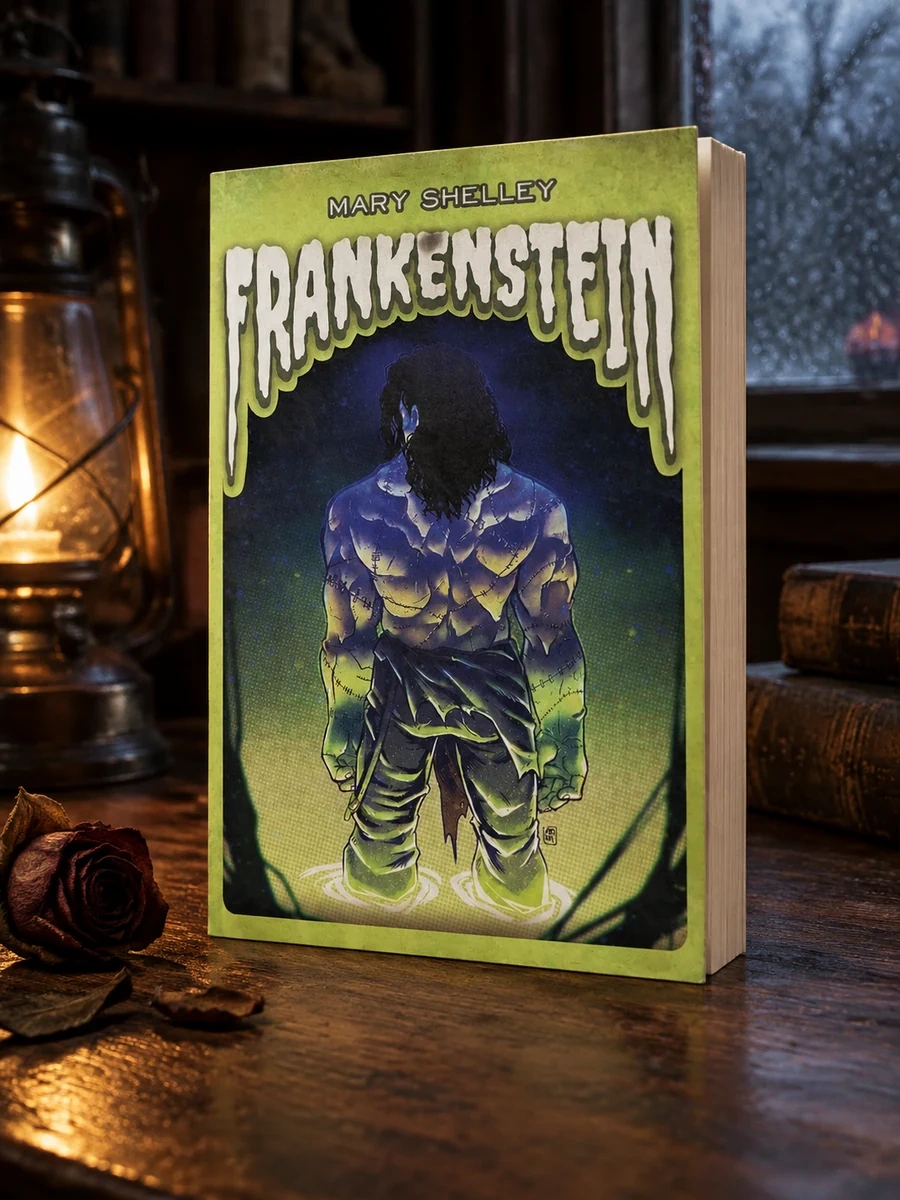
Frankenstein: or, The Modern Prometheus
A curated collection exploring Mary Shelley's Frankenstein and its cultural legacy.
This volume places Shelley’s narrative within the wider context of horror history. It links the initial publication to subsequent genres such as penny dreadfuls and pulp fiction. The text emphasizes how these styles established a persistent sense of dread. It mentions that the plot has inspired many adaptations in various formats. The book gathers influential monsters and gothic tales to show Shelley's broad impact on the genre.
The book traces how Gothic grotesqueries, penny dreadfuls, and pulp magazines produced a dread allure across the world. These darkly inventive publications infiltrated culture and influenced language. They became the source for multiple adaptations across all forms of media.


📝 Description: Frankenstein: or, The Modern Prometheus
💎 Our verdict on Frankenstein: or, The Modern Prometheus
📖 Why choose it
Why this book is worth reading
Readers seeking to understand the foundational elements of the horror genre will find this volume indispensable. It offers a curated exploration of Mary Shelley’s tale alongside other chilling narratives and iconic creatures, making it ideal for those studying horror origins and gothic evolution. By investigating the dynamic between creator and creation, the text questions the nature of monstrosity while tracing how cheap fiction and pulp publications generated global fascination with fear. It is particularly valuable for collectors wishing to build a complete set of terrifying tales within the Horror Historia series. However, it may not appeal to those seeking straightforward plot summaries without historical analysis.
⭐ Reader reviews
Reader rating
This installment in the Horror Historia series effectively places Shelley’s narrative within a wider context of horror history. C.S.R. Calloway presents the tale alongside other chilling narratives and iconic creatures, offering a rigorous investigation into how gothic imagery and pulp publications shaped cultural norms. The text successfully links initial publication to subsequent genres, emphasizing the persistent sense of dread established by these styles. It is an excellent resource for scholars and enthusiasts studying horror origins. While it provides deep insight into the evolution of the genre and the nature of monstrosity, readers desiring a simple plot summary without historical analysis might find it less engaging. It remains a vital study for understanding the broad impact of Shelley's work.
📖 Read on the blog
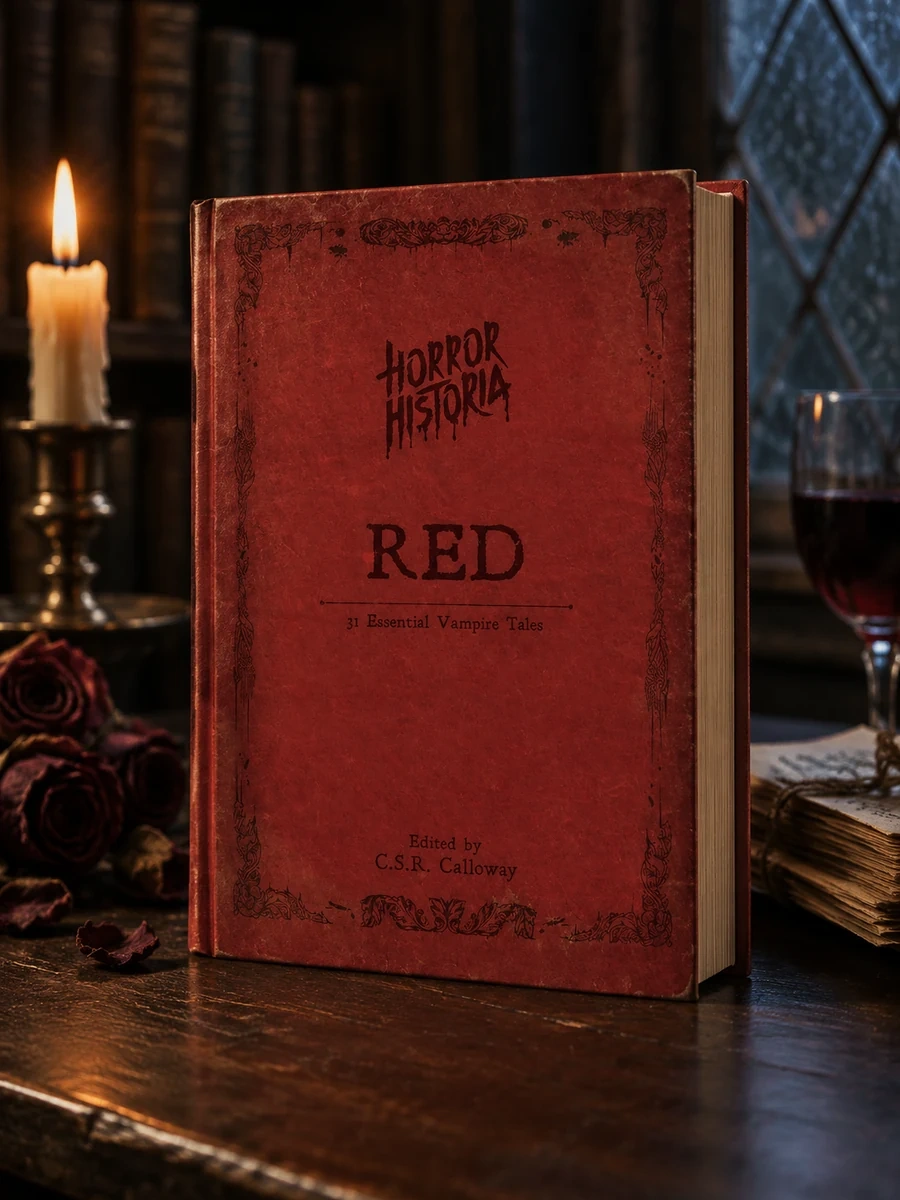
📖 From the series “Horror Historia”


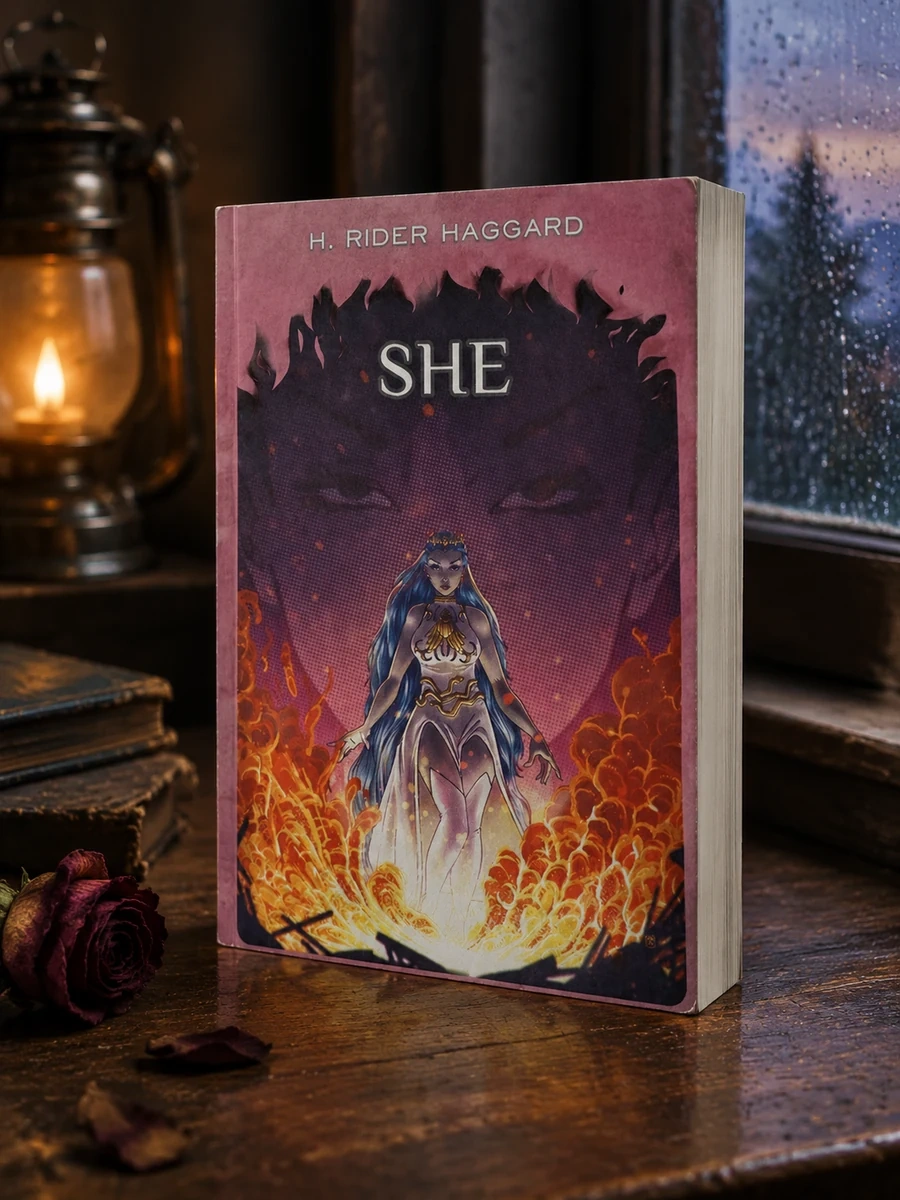
✍️ More books by this author Mary Shelley
🏛 Books from this publisher Csrc Storytelling
You might also like
See more →

Have a question about this item?
Ask about the edition, condition, delivery or anything else — we reply by email or phone, usually within a day.
