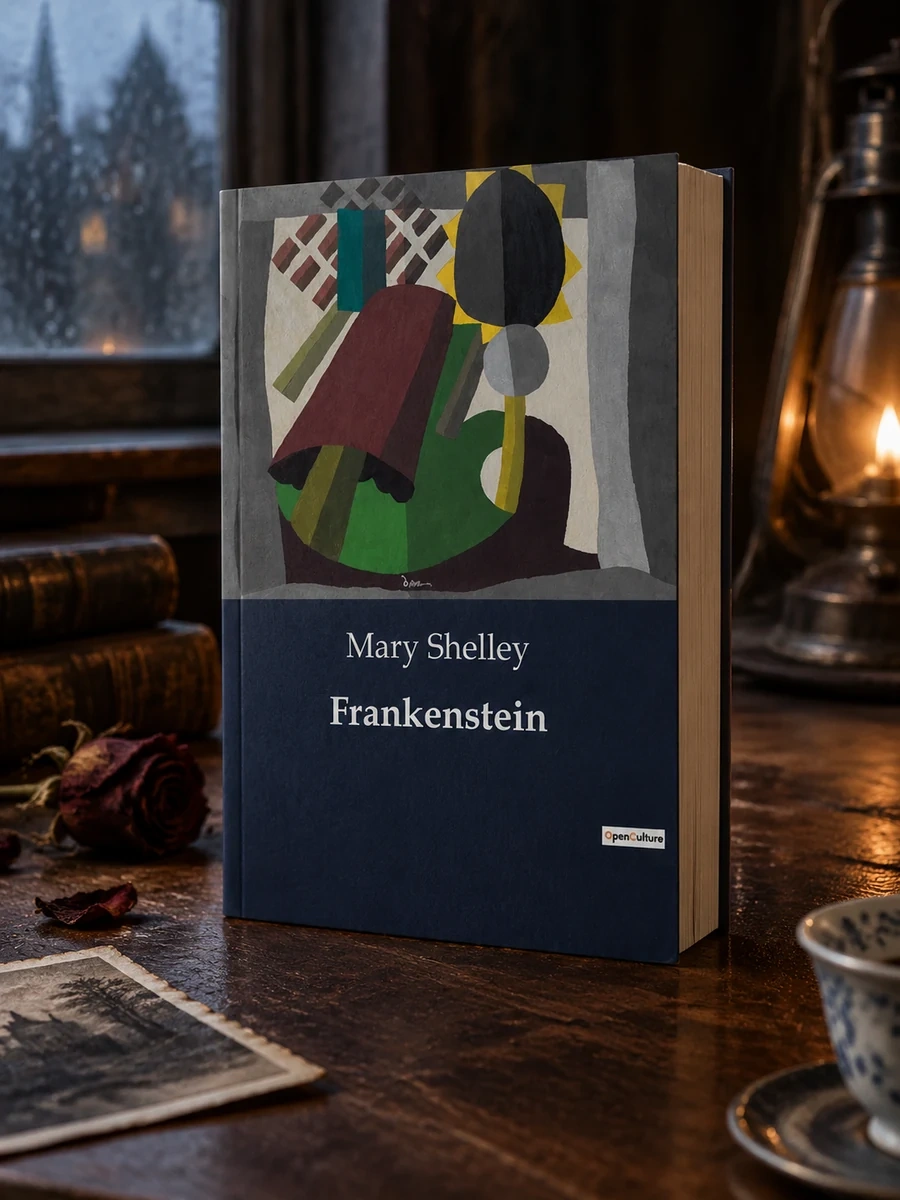
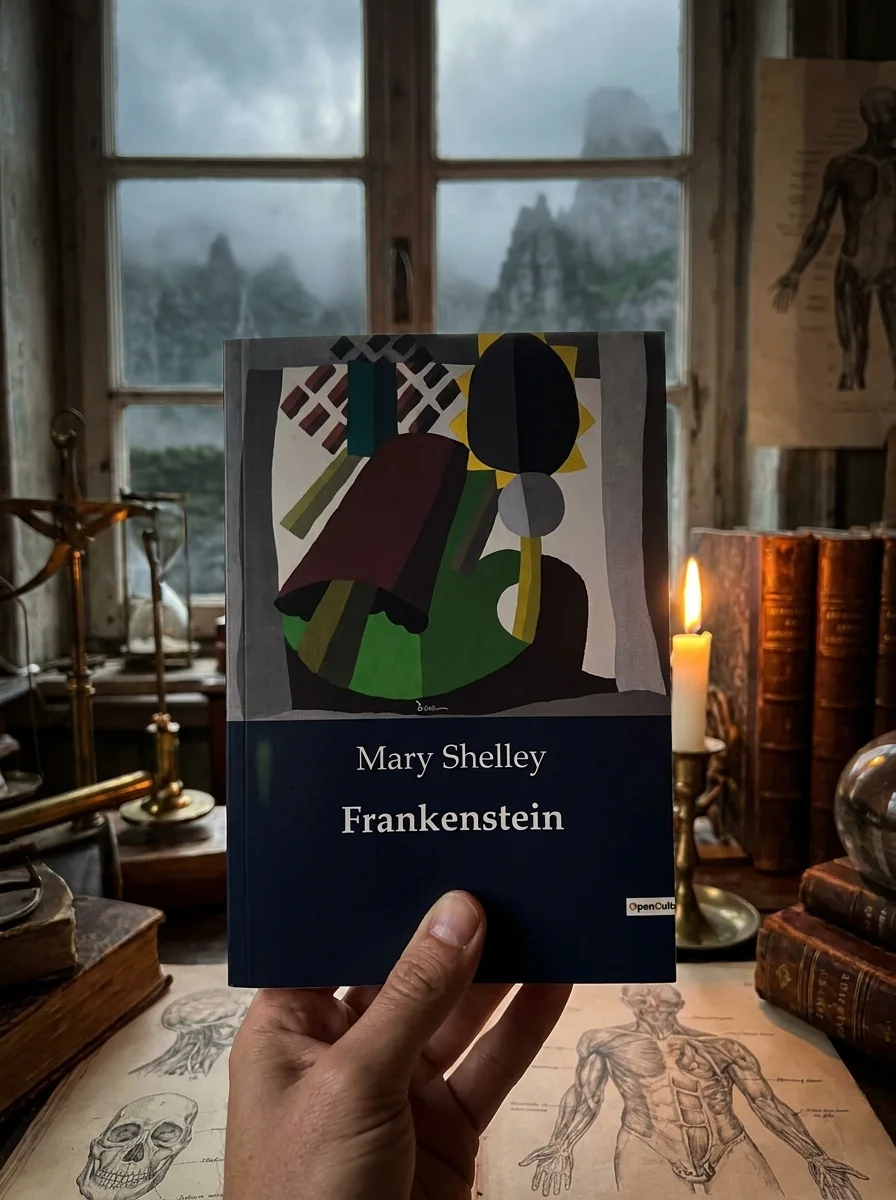
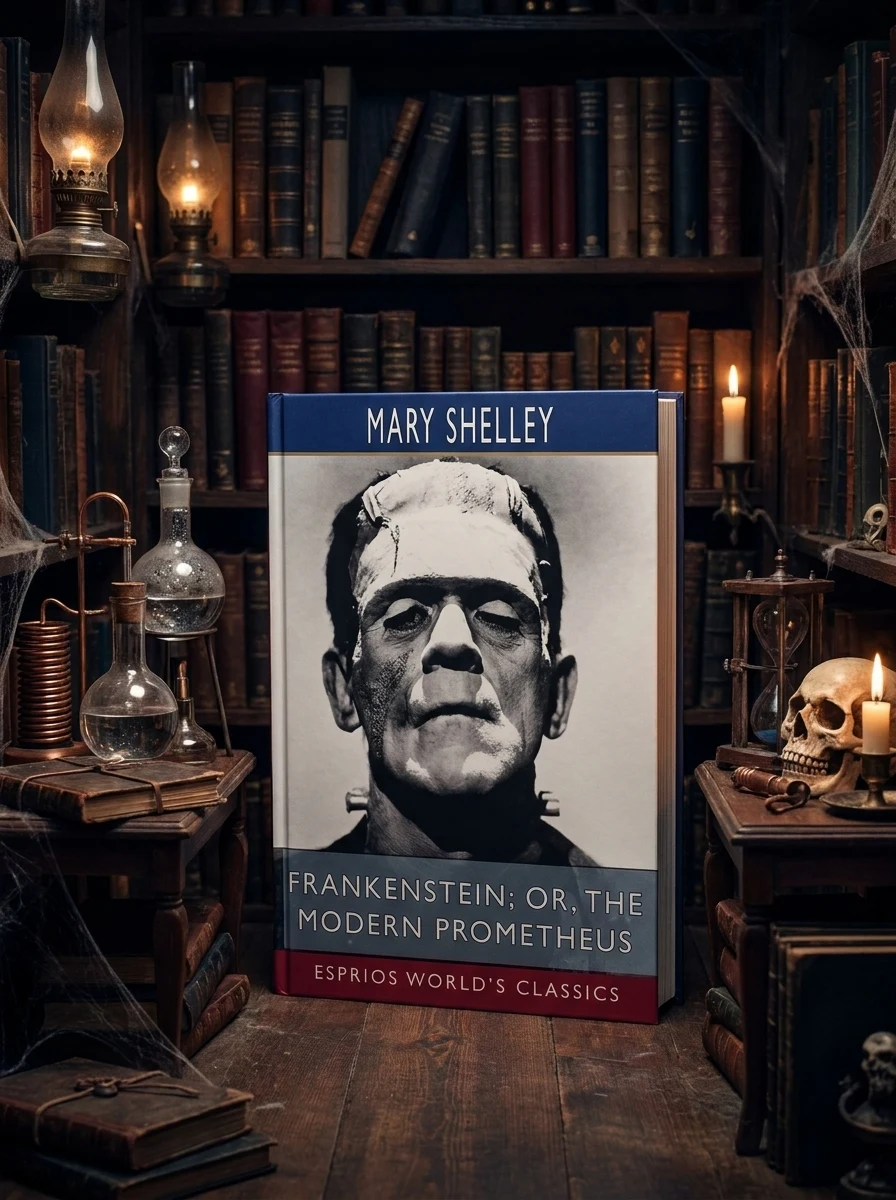
Frankenstein: A Study of Creation and Consequence in Mary Shelley's Gothic Masterpiece
An analysis of Shelley's Gothic novel on creation and responsibility
This volume investigates the ethical implications of scientific exploration as presented in Mary Shelley’s narrative. It focuses on the tragic arc of Victor Frankenstein and the monster he rejects. The text uses epistolary elements and personal narratives to examine the burden of care that creators hold toward their inventions. Readers encounter a story where isolation breeds vengeance, challenging assumptions about humanity and monstrosity. The work serves as a critical look at how ambition can override compassion, leaving a legacy of suffering for both maker and made.
Mary Shelley wrote this seminal Gothic and science fiction work during the early nineteenth century. It emerged from Romantic literary traditions that questioned Enlightenment rationalism. The novel reflects contemporary anxieties about industrial progress and the limits of human understanding, establishing a lasting framework for discussing ethical boundaries in scientific advancement.


📝 Description: Frankenstein: A Study of Creation and Consequence in Mary Shelley's Gothic Masterpiece
💎 Our verdict on Frankenstein: A Study of Creation and Consequence in Mary Shelley's Gothic Masterpiece
📖 Why choose it
Why this book is worth reading
Readers interested in the origins of modern horror tropes and ethical philosophy will find profound value in this exploration of creation and consequence. It appeals to those who enjoy analyzing the tragic arc of characters driven by unchecked ambition rather than simple action. The book offers a nuanced look at how isolation breeds vengeance, challenging assumptions about humanity. Those seeking moral ambiguity over straightforward resolutions will appreciate the complex relationship between maker and made. It serves as a cautionary tale for anyone pondering the limits of knowledge and the burden of care creators hold toward their inventions.
⭐ Reader reviews
Reader rating
This volume excels in dissecting the ethical implications of scientific inquiry through the lens of Gothic narrative. Shelley utilizes epistolary elements to provide multiple viewpoints, highlighting the disaster from various angles effectively. The text is best suited for readers who appreciate classic literature and psychological depth over fast-paced plots. It challenges the reader to confront the hubris of controlling nature and the resulting suffering. While it lacks immediate gratification, its examination of ambition overriding compassion remains powerful. The work stands as a critical look at monstrosity and responsibility, offering a rich, albeit difficult, experience for those willing to engage with its moral complexities.
📖 Read on the blog
✍️ More books by this author Mary Shelley


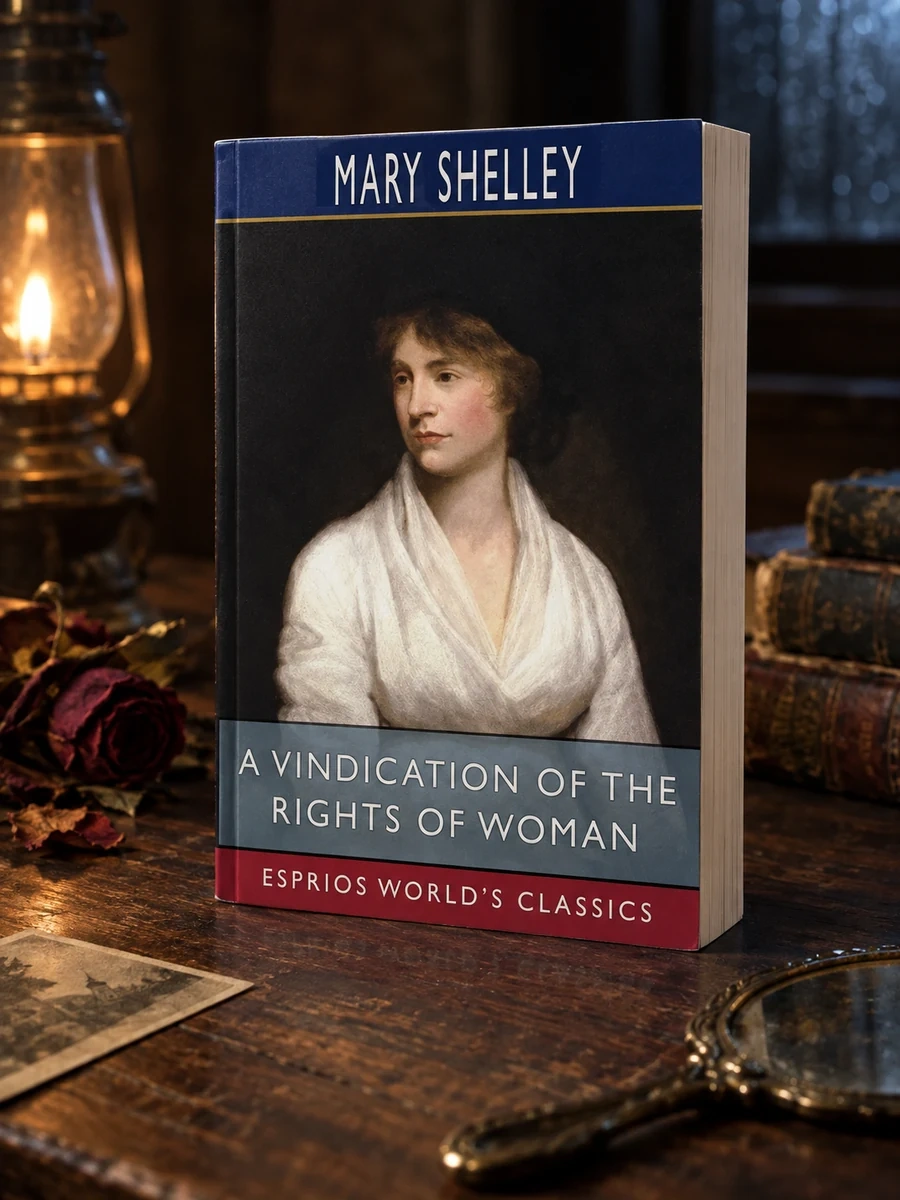

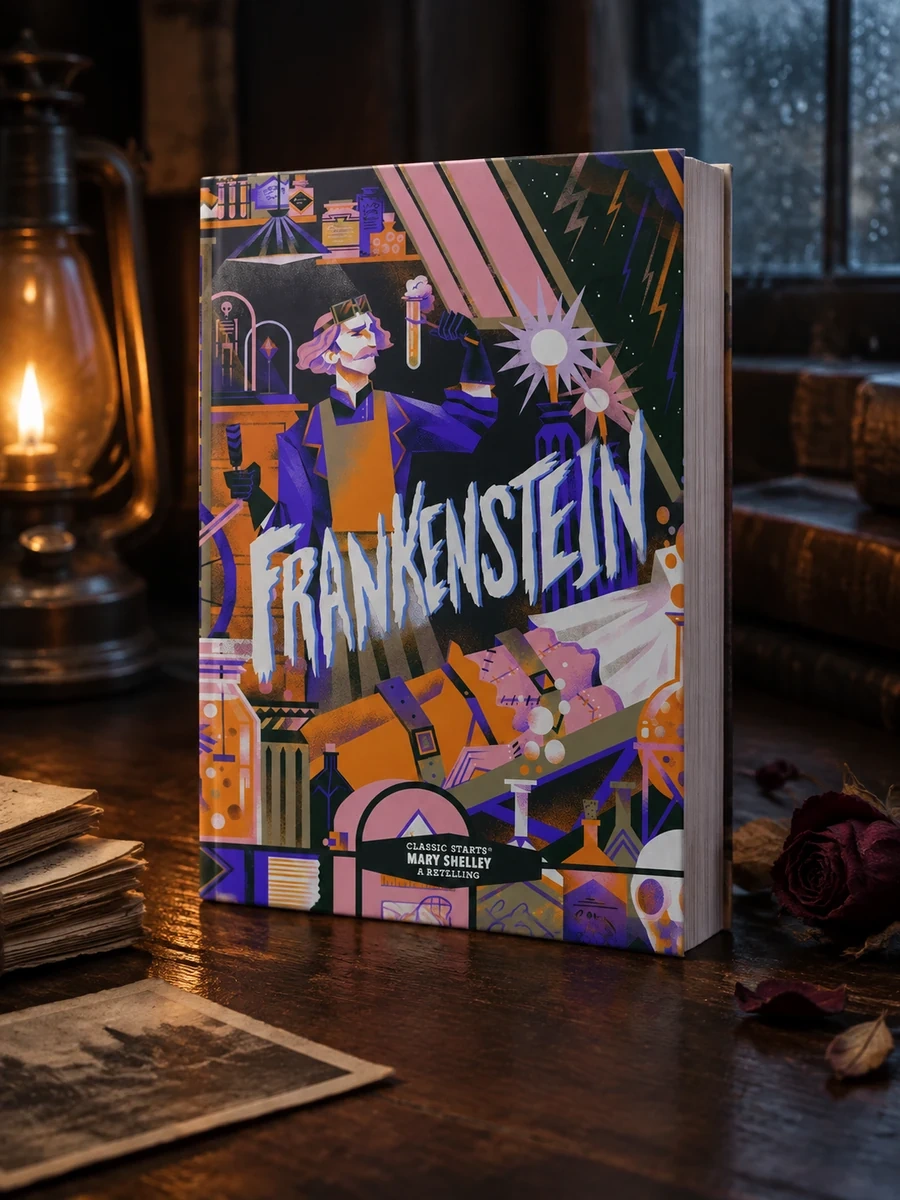
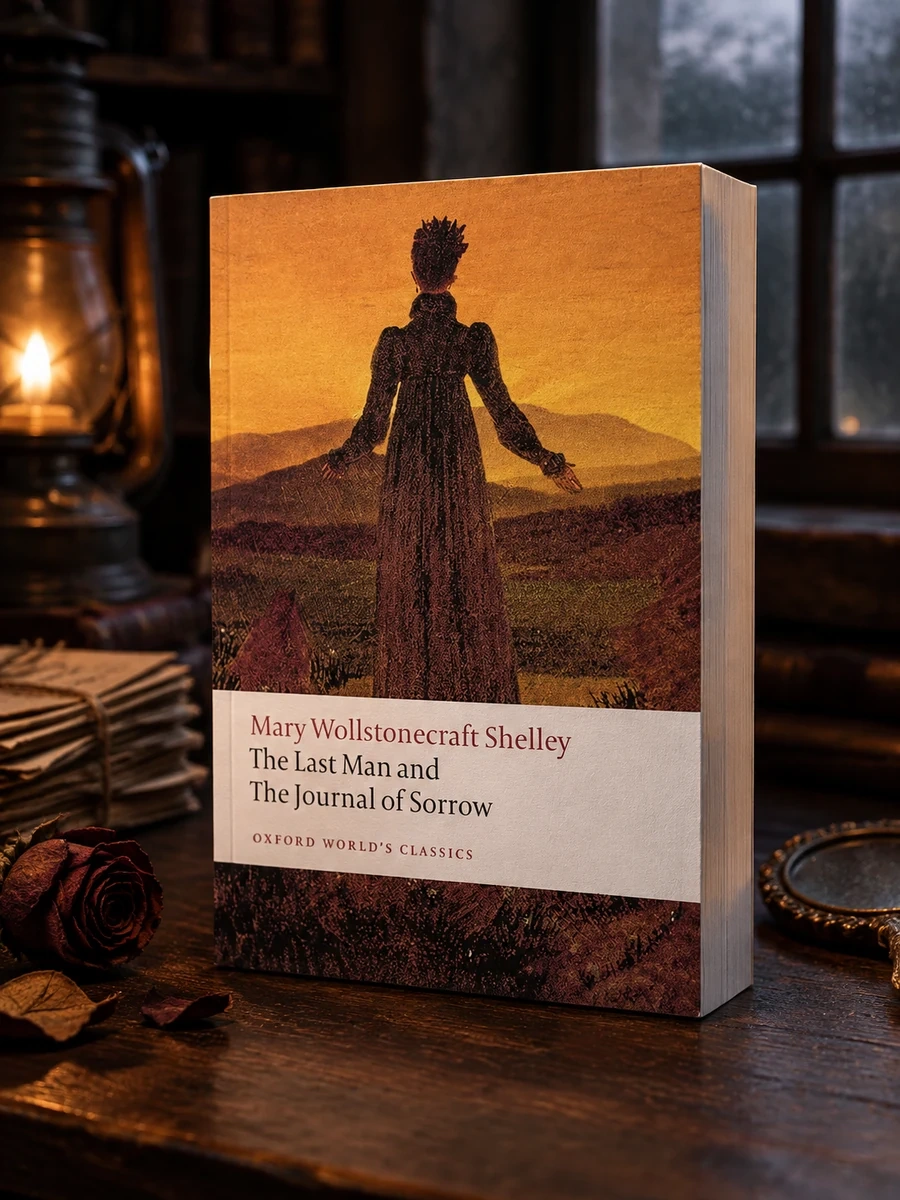

🏛 Books from this publisher Culturea


You might also like
See more →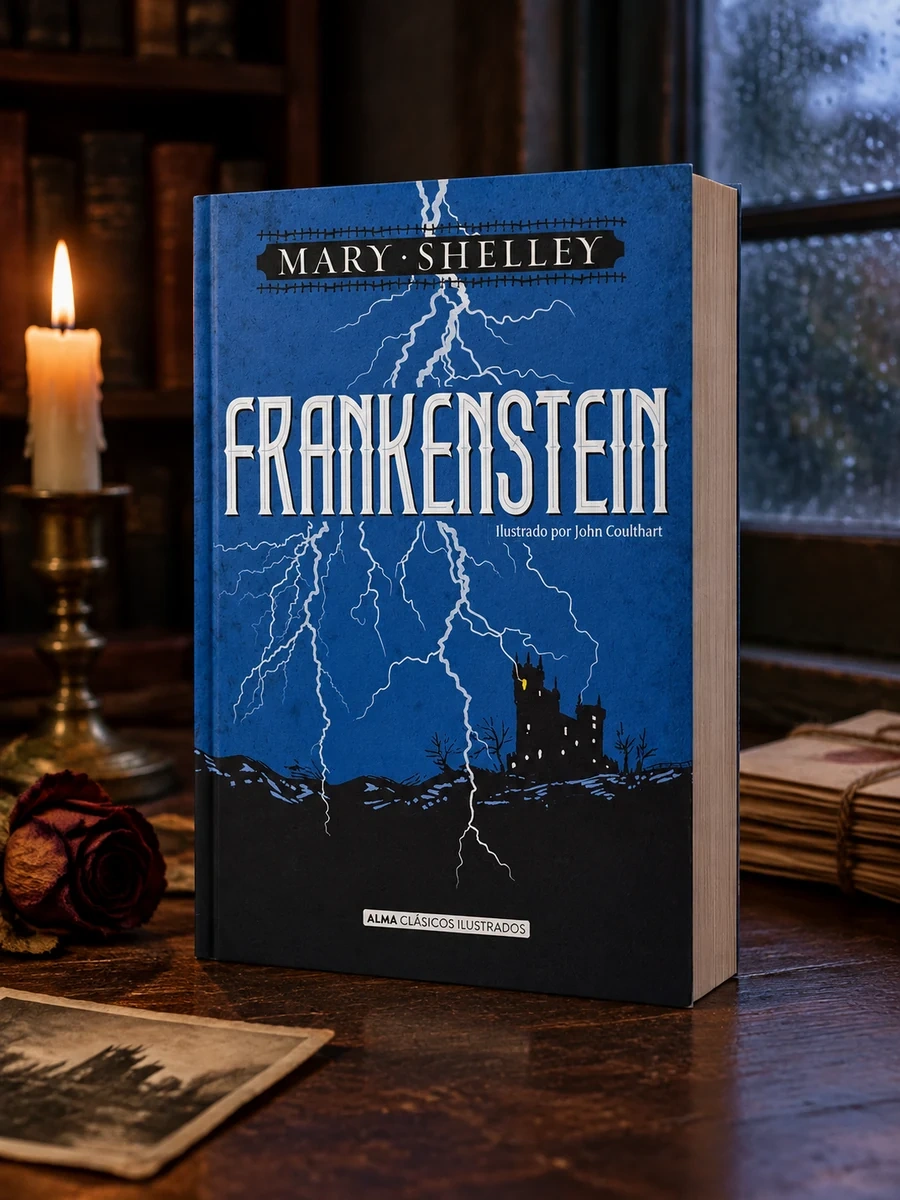
Have a question about this item?
Ask about the edition, condition, delivery or anything else — we reply by email or phone, usually within a day.
