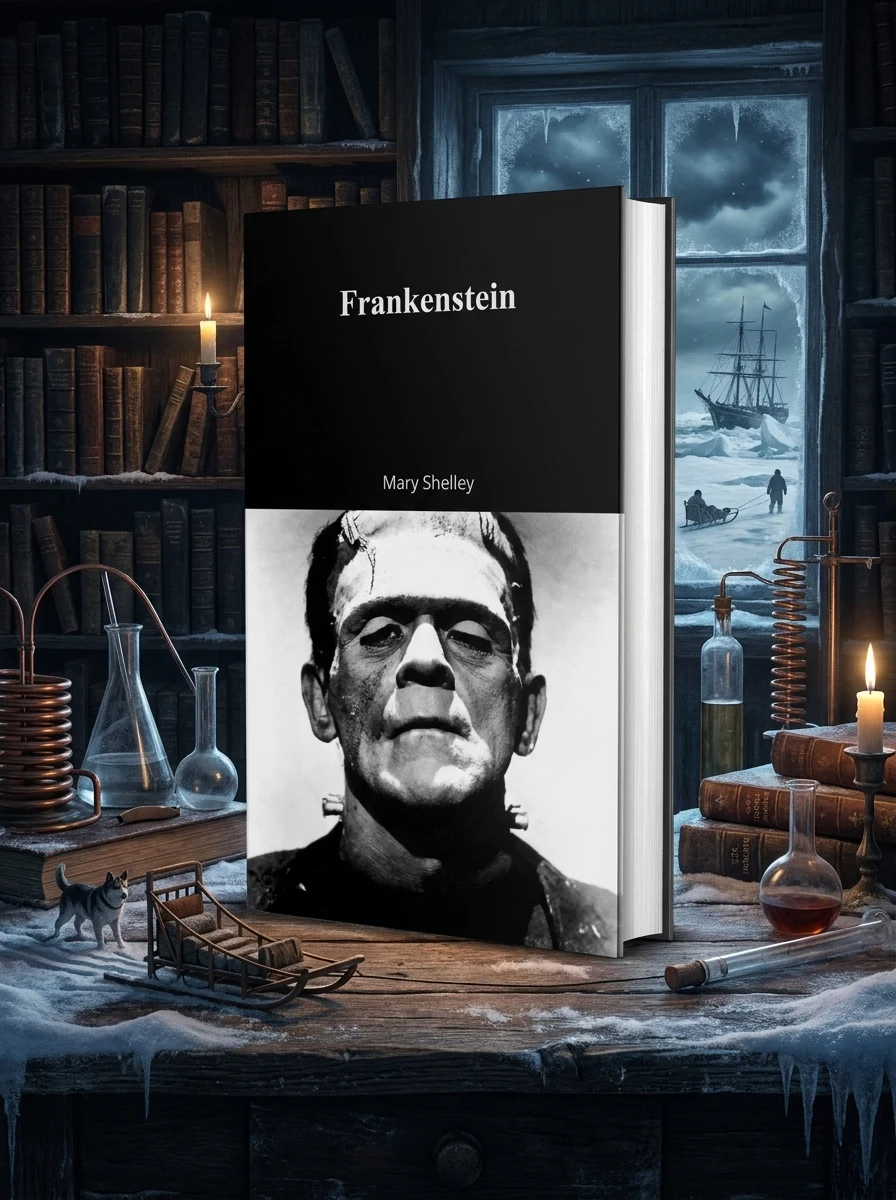
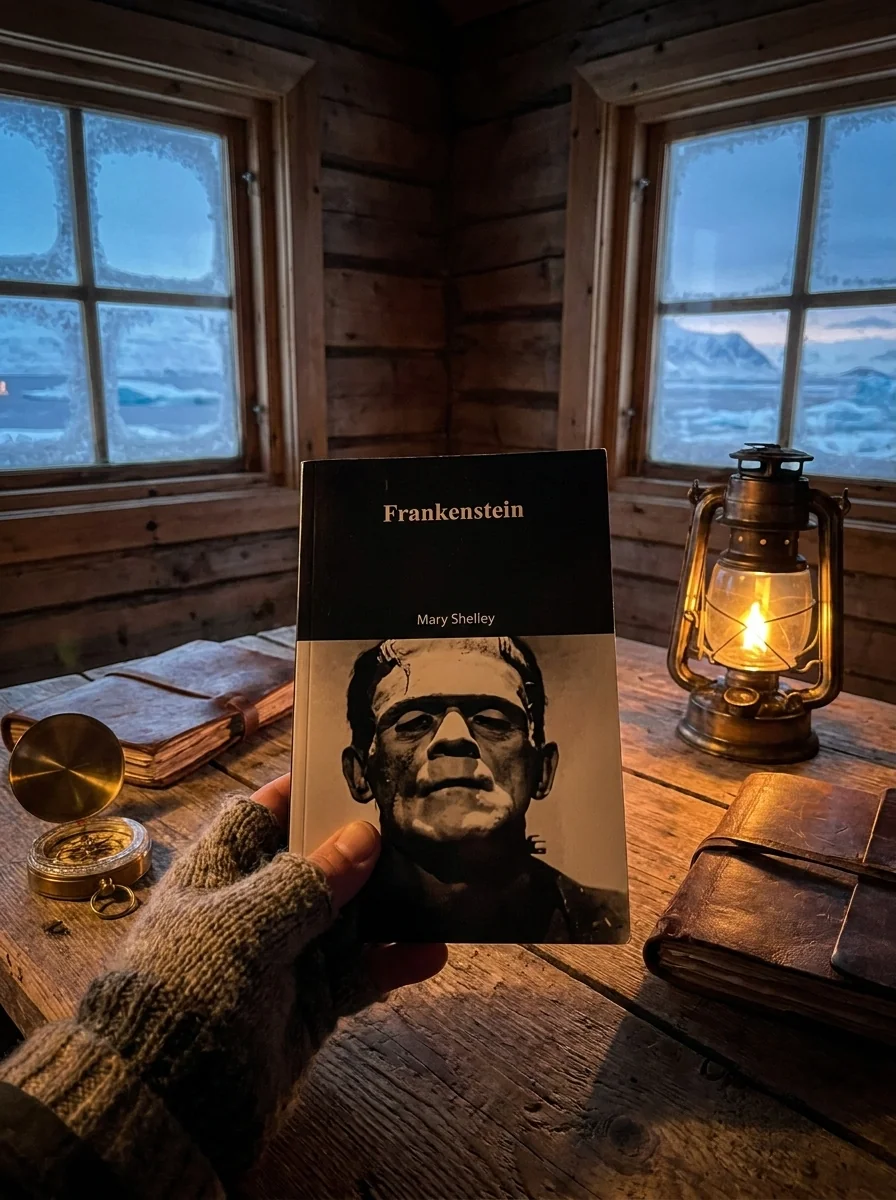
Frankenstein
A framed narrative about a doctor who creates life and faces its consequences.
The story begins with an Arctic expedition where a captain encounters a dying man chasing a monster. Victor Frankenstein explains his background in alchemy and science. He describes building a human from inanimate parts. His obsession drives him to this point. The narrative moves between the ship and Victor’s memories. Walton listens and promises to hunt the creature. Victor dies after finishing his account. The monster appears at the end. He regrets his actions. The structure highlights isolation and regret. It is not a simple ghost story. It examines the cost of ambition. The reader follows Victor’s decline. The setting shifts from ice to memory. The tone remains somber throughout.
This edition by Birch Tree Publishing presents Mary Shelley’s work as a foundational text of gothic and supernatural fiction. It originates from the early nineteenth century, reflecting contemporary anxieties about science and nature. The narrative structure reflects Romantic era storytelling techniques.


📝 Description: Frankenstein
💎 Our verdict on Frankenstein
📖 Why choose it
Why this book is worth reading
Readers interested in the evolution of horror literature and gothic themes will find this book essential. It offers a profound examination of isolation, regret, and the destructive cost of unchecked ambition. The narrative structure provides a unique perspective through personal testimony rather than external observation. Those who appreciate complex moral questions over clear resolutions will value its depth. The text invites reflection on the consequences of creating life without considering ethical implications. It is ideal for those studying the genre's development or seeking somber, atmospheric storytelling that prioritizes psychological depth over fast-paced action.
⭐ Reader reviews
Reader rating
The book excels in its framed narrative structure, moving seamlessly between an Arctic expedition and intimate memories of scientific obsession. Its somber tone effectively underscores the tragedy of a creator destroyed by his own creation. The reliance on personal testimony creates an immersive experience of isolation. However, readers seeking fast-paced action or clear moral resolutions may find the pacing slow. It suits those interested in gothic fiction, supernatural themes, and the historical context of early scientific inquiry. The work remains a critical study for understanding horror's literary roots. Its exploration of ambition’s cost resonates deeply with fans of psychological and cosmic horror.
📖 Read on the blog
✍️ More books by this author Mary Shelley



You might also like
See more →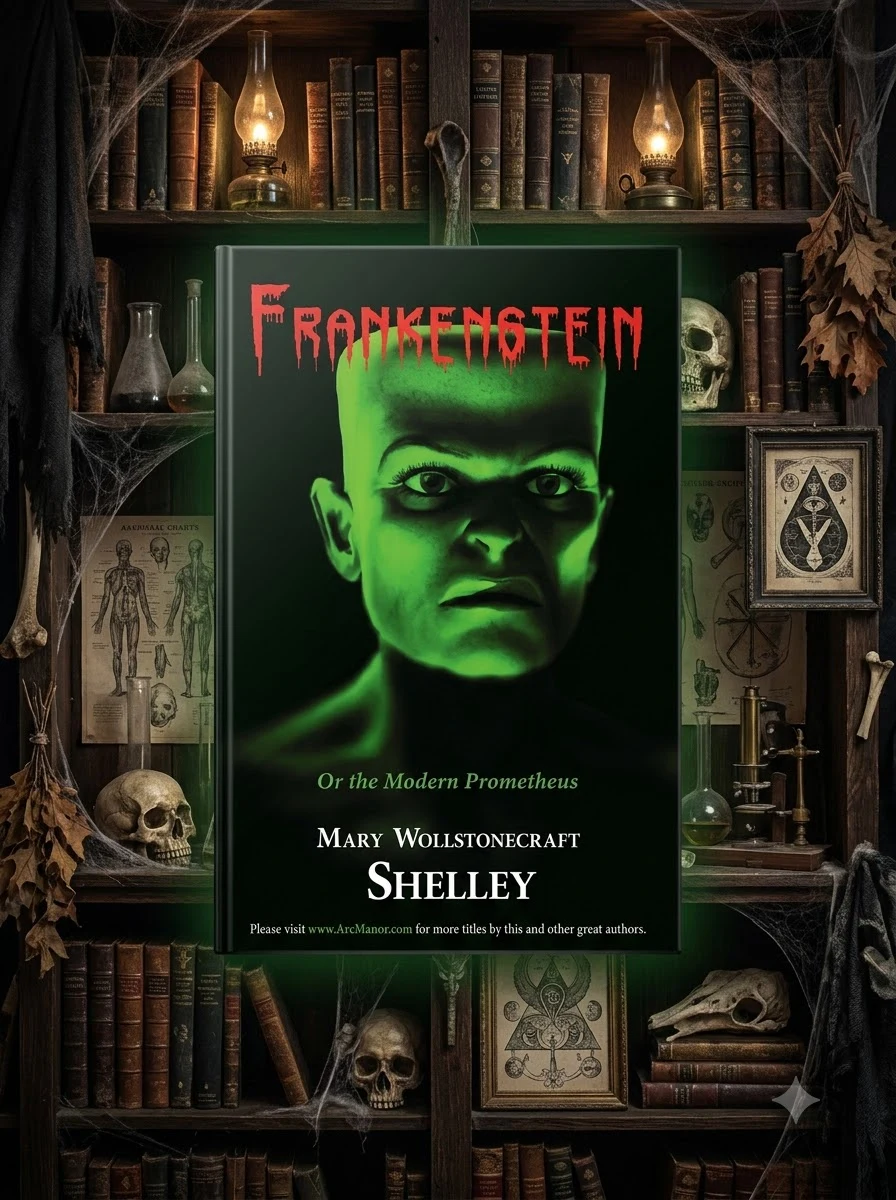

Have a question about this item?
Ask about the edition, condition, delivery or anything else — we reply by email or phone, usually within a day.
