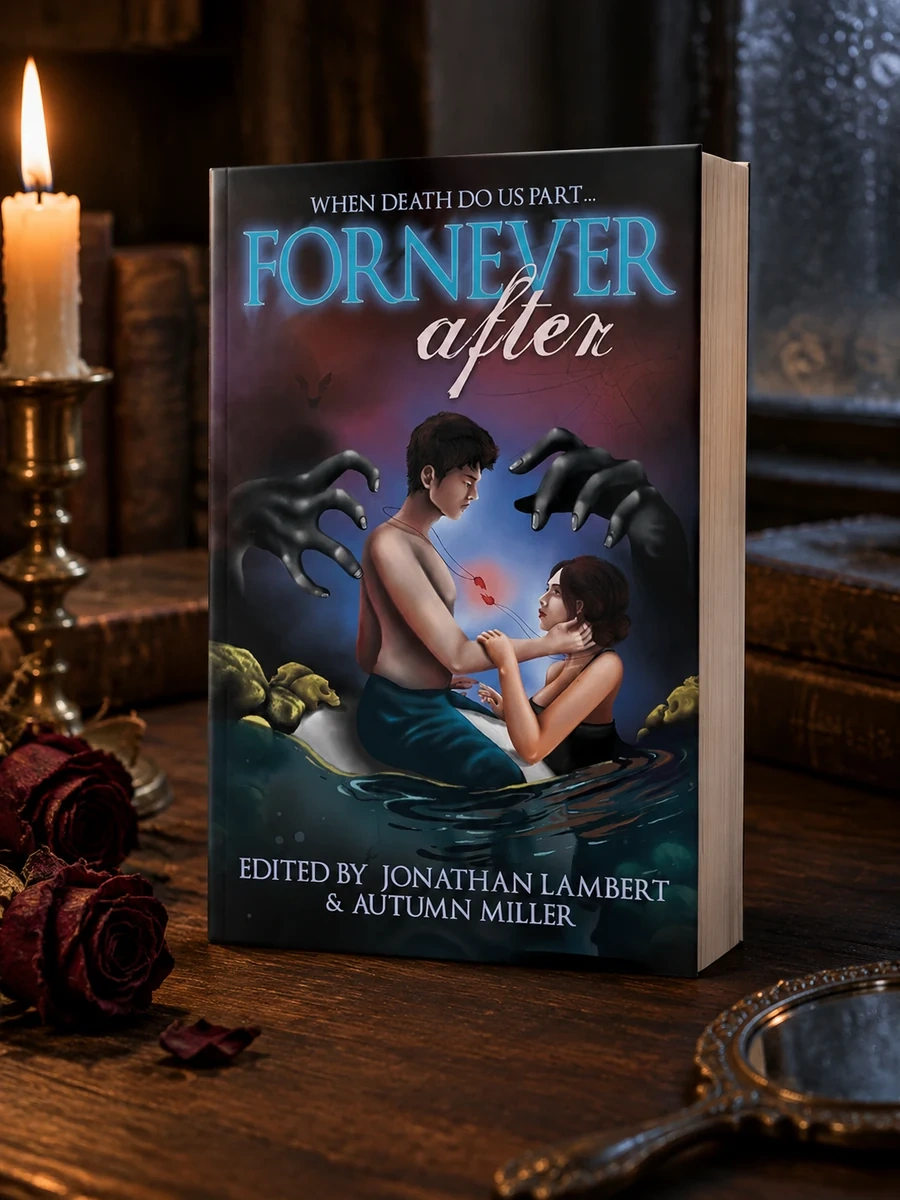
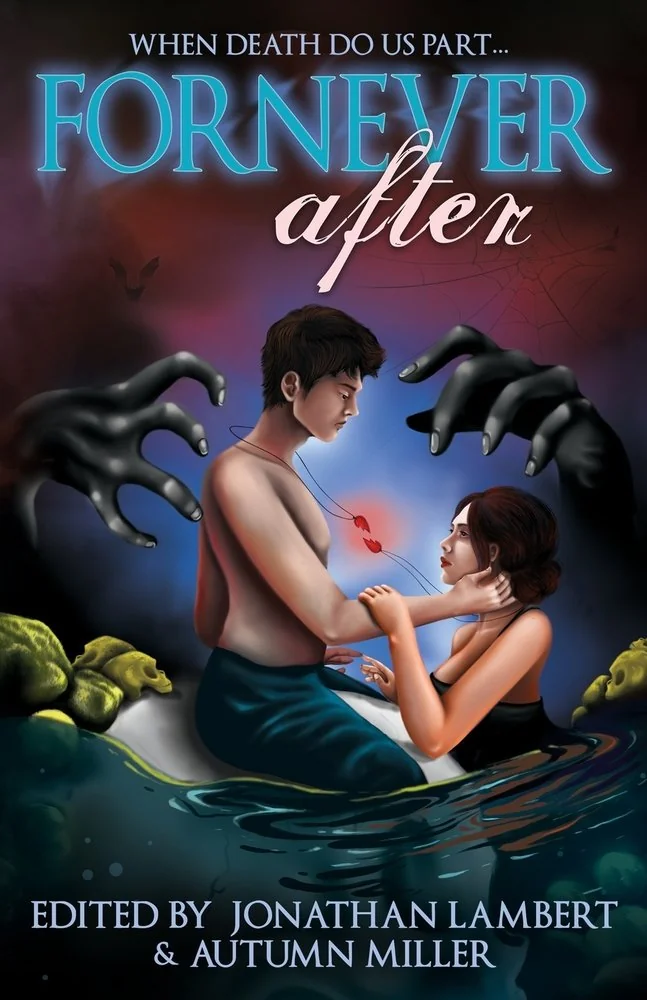
Fornever After
A collection of sixteen horror tales about lovers who nearly find happiness but fail.
Miller’s anthology examines the specific pain of romantic failure in the face of horror. The sixteen stories focus on couples who are true soulmates yet are prevented from growing old together. The narratives do not offer escape or victory, but rather document the precise moment where bliss turns to doom. This approach highlights the tragedy of near-misses, making the loss more acute for the reader. The work is a study in despair, where love exists only to be destroyed by supernatural forces.
Fornever After sits within the tradition of gothic and supernatural fiction that explores the darker aspects of human emotion. The work draws on established tropes of horror to examine romantic failure, positioning itself as a counterpoint to traditional romance narratives by denying its characters any form of happy resolution or survival.


📝 Description: Fornever After
💎 Our verdict on Fornever After
📖 Why choose it
Why this book is worth reading
This anthology is designed for readers who appreciate the specific agony of tragic endings and dark romance within the horror genre. It appeals to those seeking a meditation on the fragility of love rather than simple monster-fighting narratives. The collection offers emotional intensity by denying its characters redemption or survival, focusing instead on the precise moment bliss turns to doom. Readers who enjoy exploring the intersection of deep romantic connection and horrific circumstance will find value in Miller’s structured approach to documenting inevitable separation through fear and death.
⭐ Reader reviews
Reader rating
Autumn Miller delivers a poignant study in despair, examining the specific pain of romantic failure against supernatural backdrops. By focusing on couples who are true soulmates yet thwarted by doom, the book highlights the tragedy of near-misses rather than offering escape or victory. The sixteen tales effectively utilize gothic and cosmic horror lenses to depict lovers destined for one another but separated by horrific circumstances. This approach maximizes emotional impact by consistently denying the desired future to its central pairs. The work is best suited for those who find beauty in tragic endings and wish to explore how love exists only to be destroyed by external, terrifying forces.