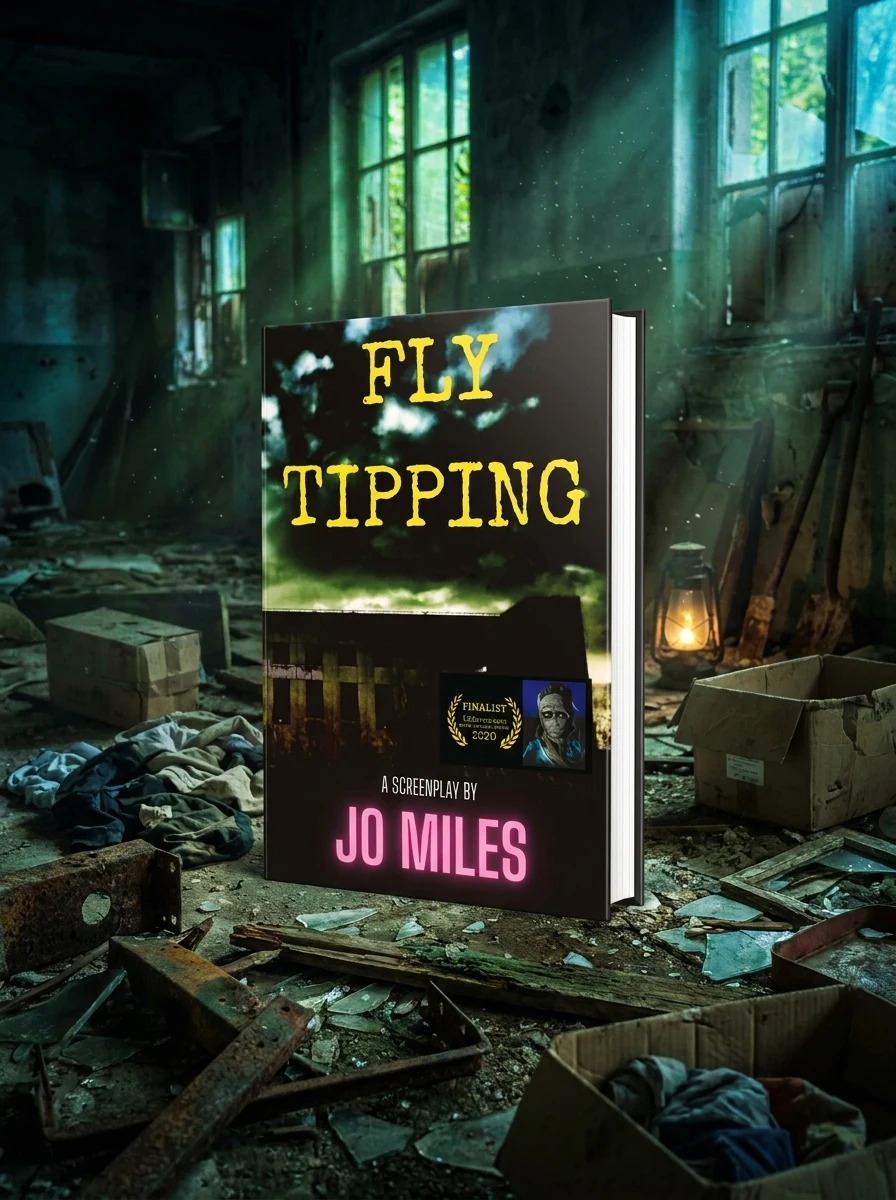
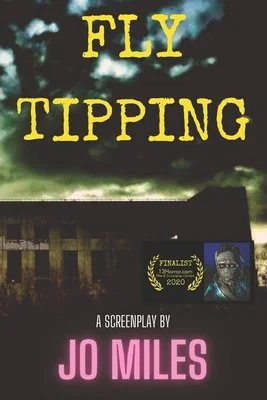
Fly Tipping
A man's sanity unravels while working at a mysterious old building.
Jo Miles crafts a horror story centered on Carl Ashton, who moves into a small town and takes a job at the Palmer's Building. He expects stability but finds chaos instead. The structure reveals terrifying events that strip away his decency and humanity. Maddy, his partner, tries to help him cope with the supernatural intrusion. The narrative tracks his psychological decline as he faces forces he cannot understand or control. This finalist entry in a screenplay contest suggests a strong visual style. The book appeals to fans of gothic fiction and stories about isolation. It avoids traditional jump scares in favor of creeping dread. Readers looking for complex character studies within the horror genre will appreciate this approach.
This book sits within the contemporary independent horror publishing landscape. It draws on gothic traditions of haunted architecture and psychological terror. The recognition by 13Horror.com places it in a community valuing screen-adaptable horror narratives.


📝 Description: Fly Tipping
💎 Our verdict on Fly Tipping
📖 Why choose it
Why this book is worth reading
Readers who appreciate slow-burn psychological horror and character-driven narratives will find this book engaging. It suits those who enjoy exploring the fragility of the human mind when confronted with inexplicable forces. Fans of gothic fiction and stories about isolation will appreciate the focus on gradual mental collapse over jump scares. The narrative offers a deep dive into the breakdown of social norms under supernatural pressure, providing a complex character study for those willing to endure a frustrating lack of clear resolutions or fast-paced action in favor of creeping dread.
⭐ Reader reviews
Reader rating
Jo Miles crafts a compelling narrative centered on Carl Ashton’s descent into madness within the Palmer's Building. The book excels in atmosphere, utilizing its setting to strip away decency and humanity gradually. It avoids traditional scares, opting instead for a pervasive sense of unease that lingers long after reading. This approach appeals strongly to fans of gothic fiction and psychological horror who prefer immersive dread over action. However, readers seeking quick answers or linear plots may find the ambiguity challenging. The work’s strength lies in its visual style and tight focus on mental deterioration, making it a solid choice for enthusiasts of isolated settings and complex character studies within the horror genre.
📖 Read on the blog
🏛 Books from this publisher Independently Published








You might also like
See more →
Have a question about this item?
Ask about the edition, condition, delivery or anything else — we reply by email or phone, usually within a day.
